
 Start Read
 Recommend
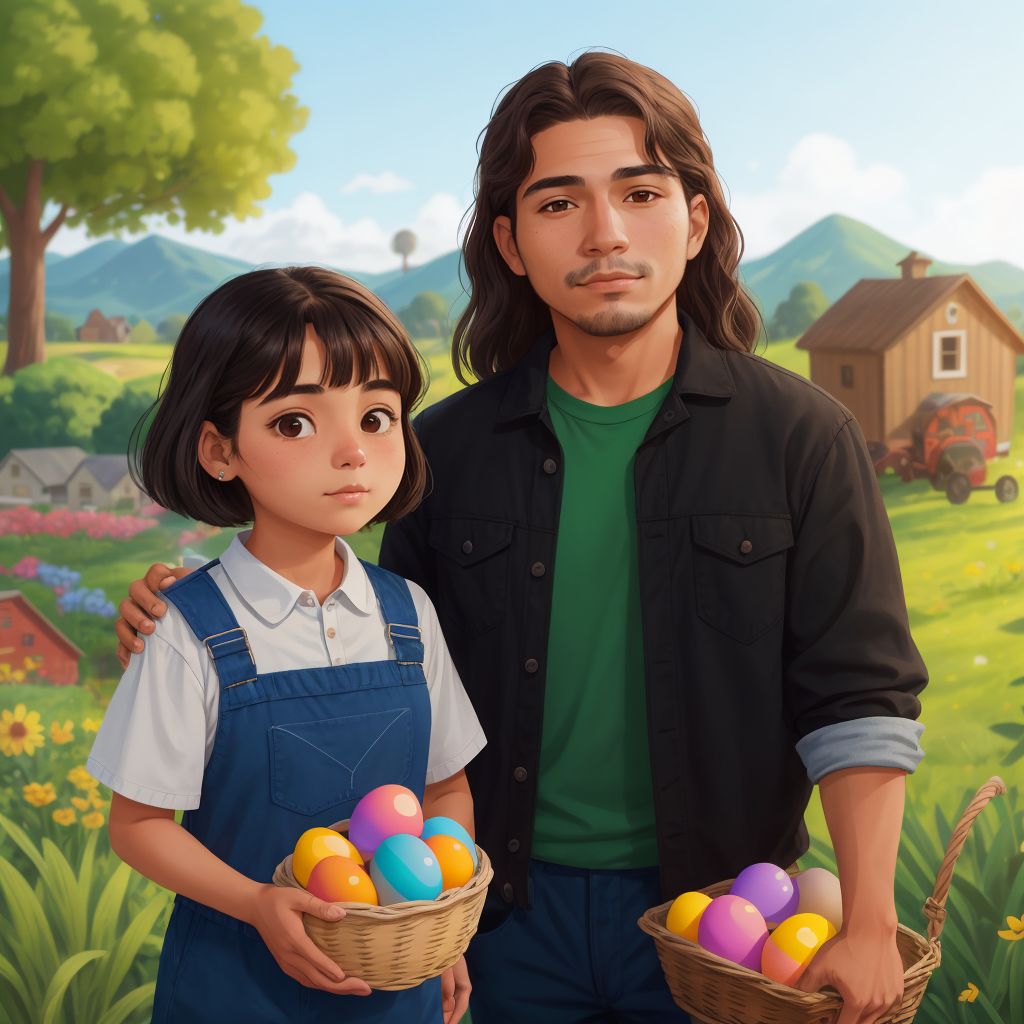
Page 1: Maya and Leo visited their aunt's farm. Aunt Rosa asked, "Do you want blue eggs for breakfast?" Leo laughed, "Blue eggs? No way!" Page 2: The next day, Aunt Rosa took them to the chicken coop. The morning sun shone warmly. They played with the hens, tossing grain and laughing. The hens clucked happily around Maya and Leo. Page 3: In the nest box, there were blue, green, and pink eggs! Leo's eyes widened, "Wow, they're real!" Maya touched the smooth, colorful eggs, amazed. Page 4: At breakfast, they tried the blue eggs. "They taste great!" Leo exclaimed. Maya agreed, enjoying every bite.
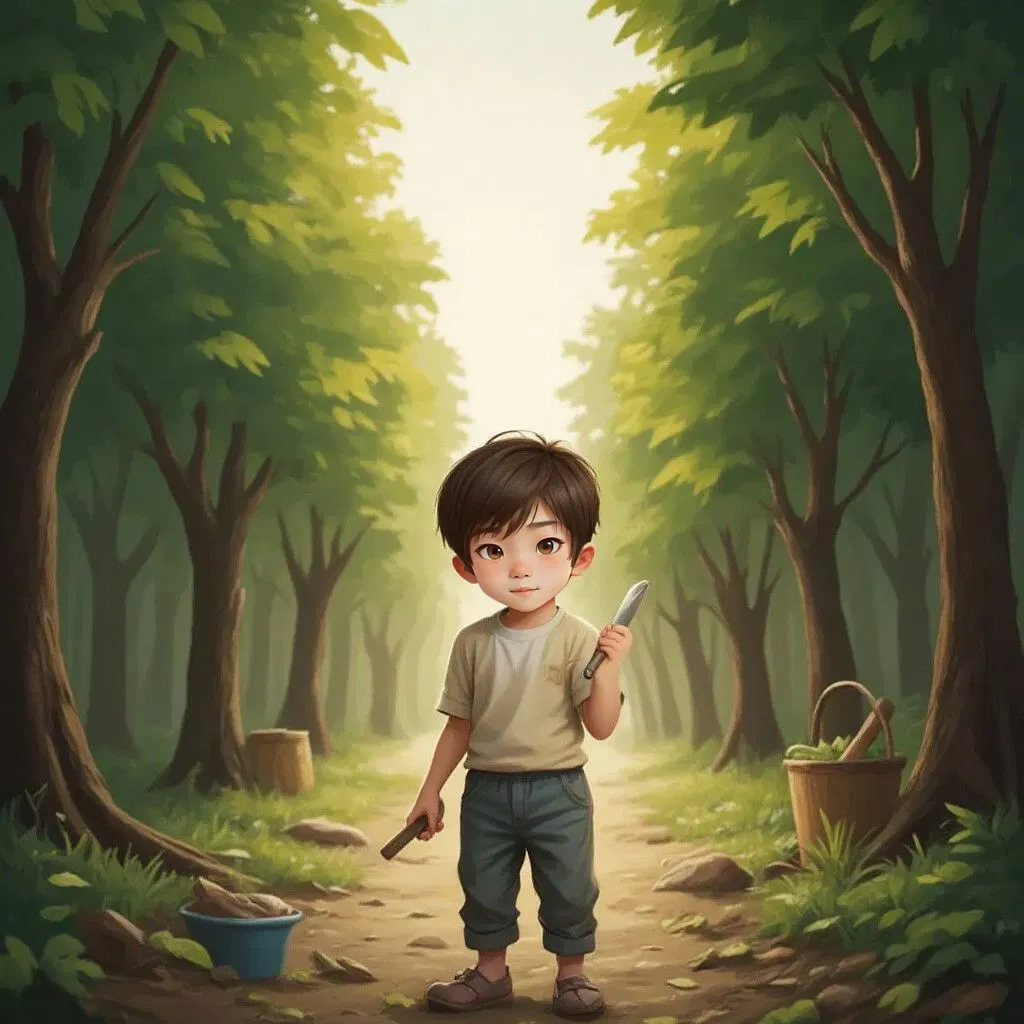
The story follows Tuah, a village boy who helps his father tap rubber every morning before school. Despite his desire to play like other children, his family responsibilities limit his childhood experiences. His friends avoid him due to the smell of rubber, leaving him feeling isolated and sad. Despite the hardships, Tuah perseveres and successfully graduates from university. Upon returning to his village, he realizes that he missed out on many childhood joys. To make up for lost time, he enthusiastically plays traditional games like marbles, kites, and soccer. His excitement entertains the villagers, and they admire his determination to reclaim his childhood happiness. In the end, Tuah understands that every stage of life has its own beauty. His father, proud of his achievements, reassures him that he deserves happiness. The story beautifully illustrates perseverance, sacrifice, and the importance of pursuing long-held dreams.
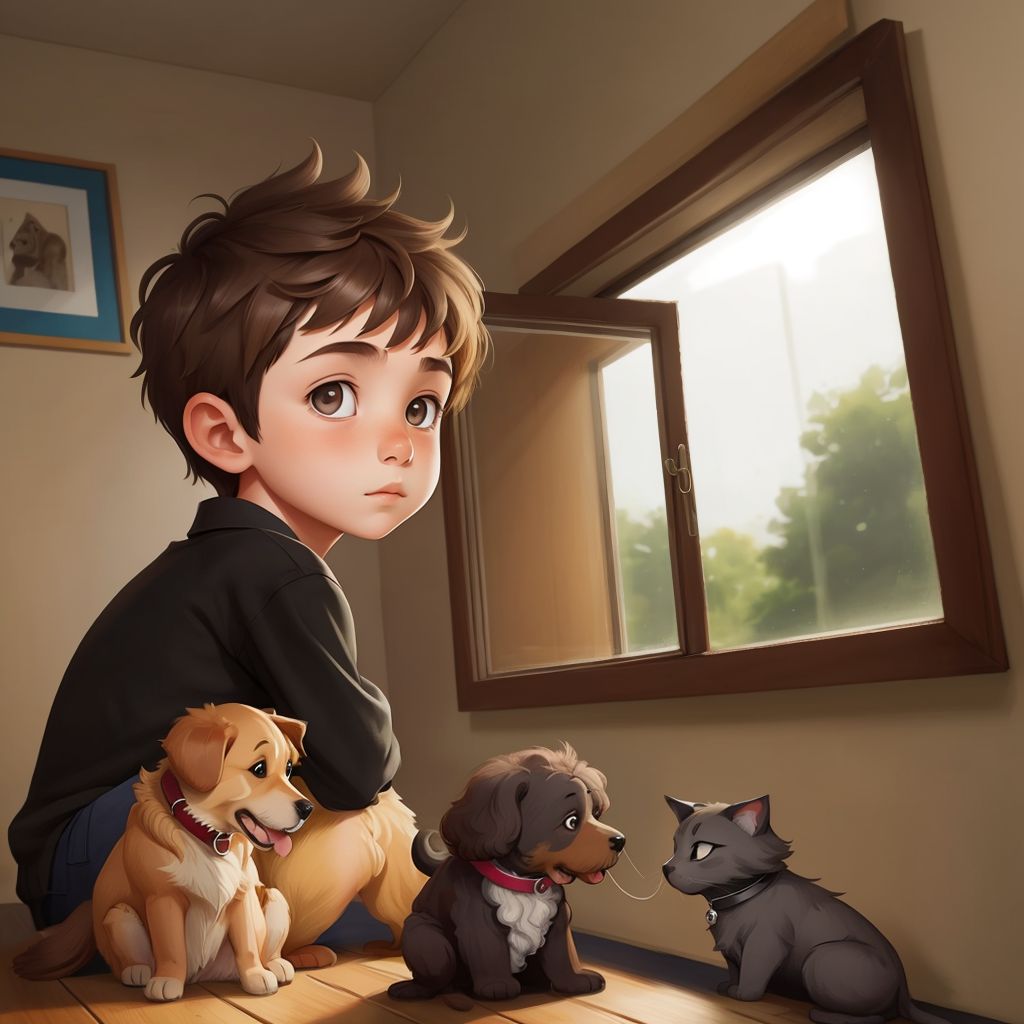
Tim goes on a mystery around the house with his pets
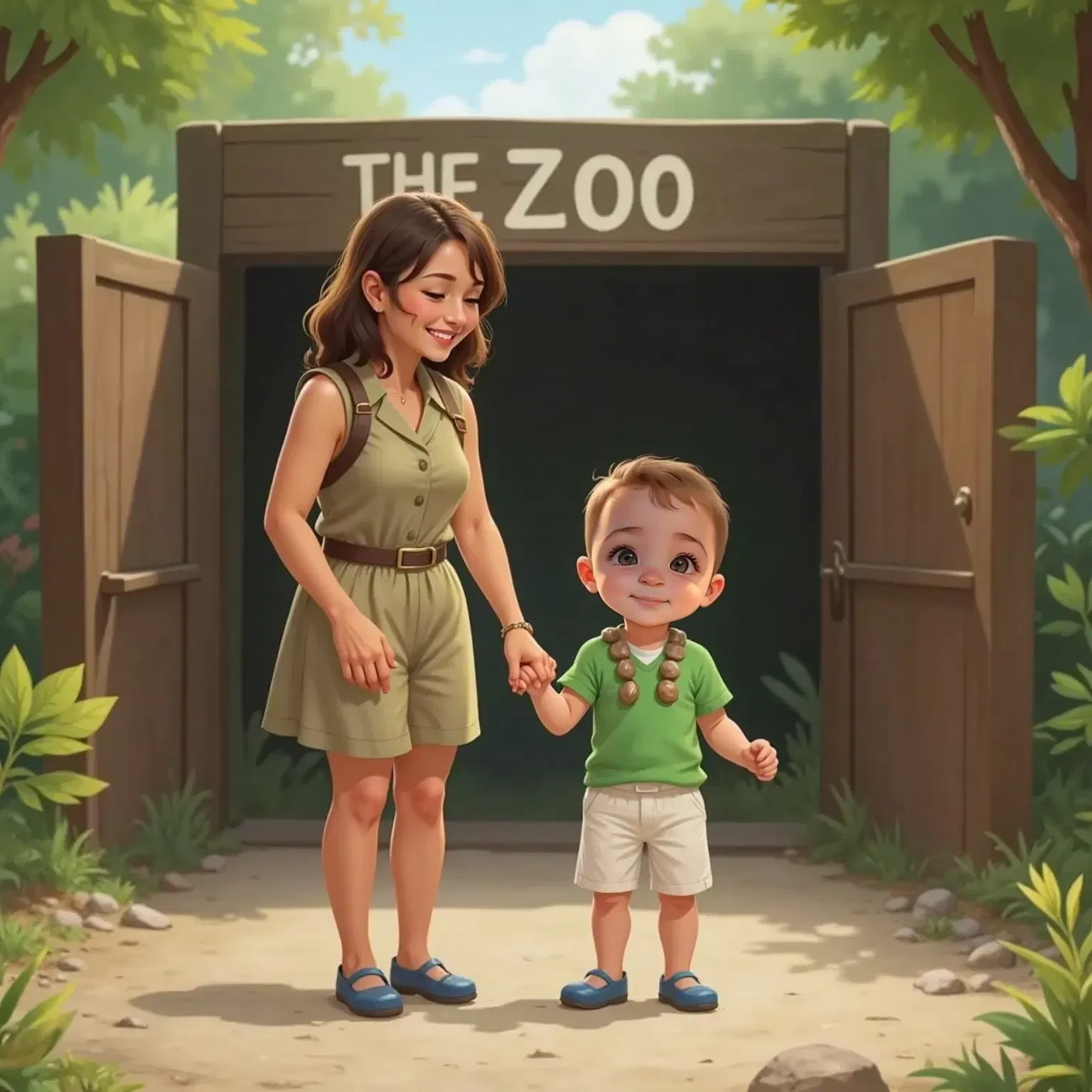
Going to the zoo with his incredible ability to understand and talk too animals. He was exited to visit lot of animals, lions, elephants, monkeys and lots of others.
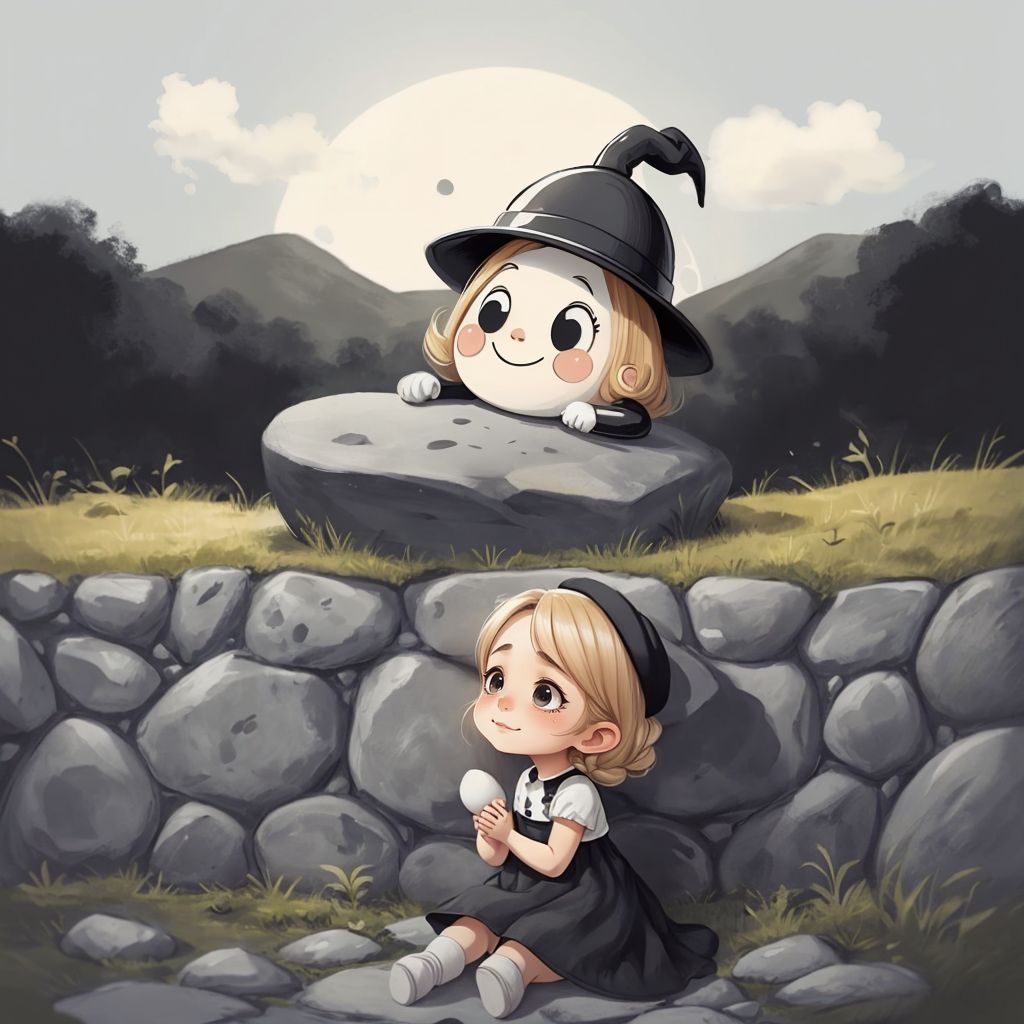
Humpty Dumpty sees a girl who needs help getting her cat off a tall wall. He readily agrees to help, but ends up getting cracked in the process.
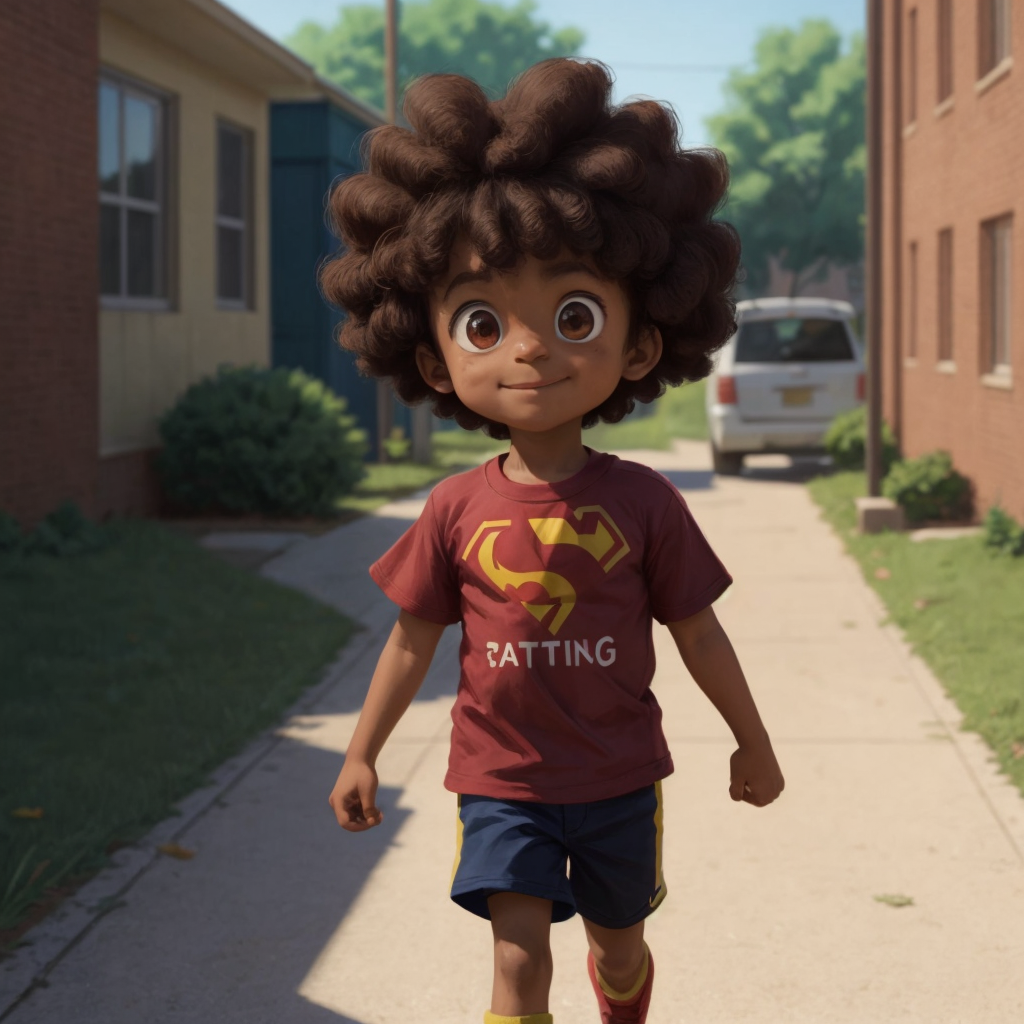
A biracial little boy confused about his race, when the kids at school started picking on him
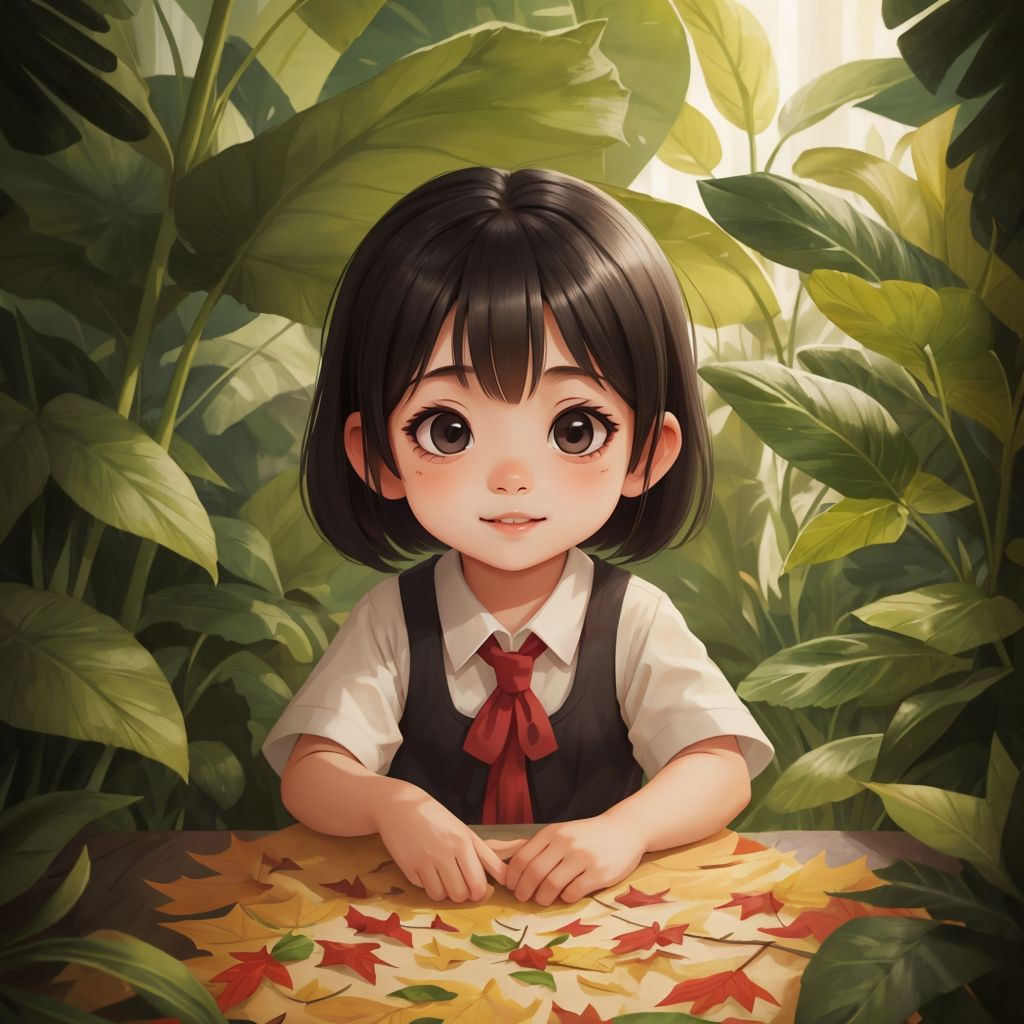
This is a story about an autistic child who has a unique talent in identifying patterns.

İpek, dönme dolaptan korkar ama sonunda babası ve kedisi ile binince çok fazla keyif alır

1. a small happy girl named nina aged 6 packing her bags with her white coton de tulear dog named Ariel 2. Nina and ariel exploring the colorful cobblestone town 3. Nina and Ariel dancing to Fado music in the alleys of lisbon 4. Nina and ariel riding the tram in lisbon's colorful city 5. Nina and Ariel waving from a red and yellow castle

baraa loves to yoga, ride horse, he love burger, baraa loves mom narjes

Once upon a sunny day in Rainbow Park, a little girl named Lily was swinging high in the air. “Whee!” she giggled, her feet touching the sky.

With man it is impossible, but not with God. For all things are possible with God.
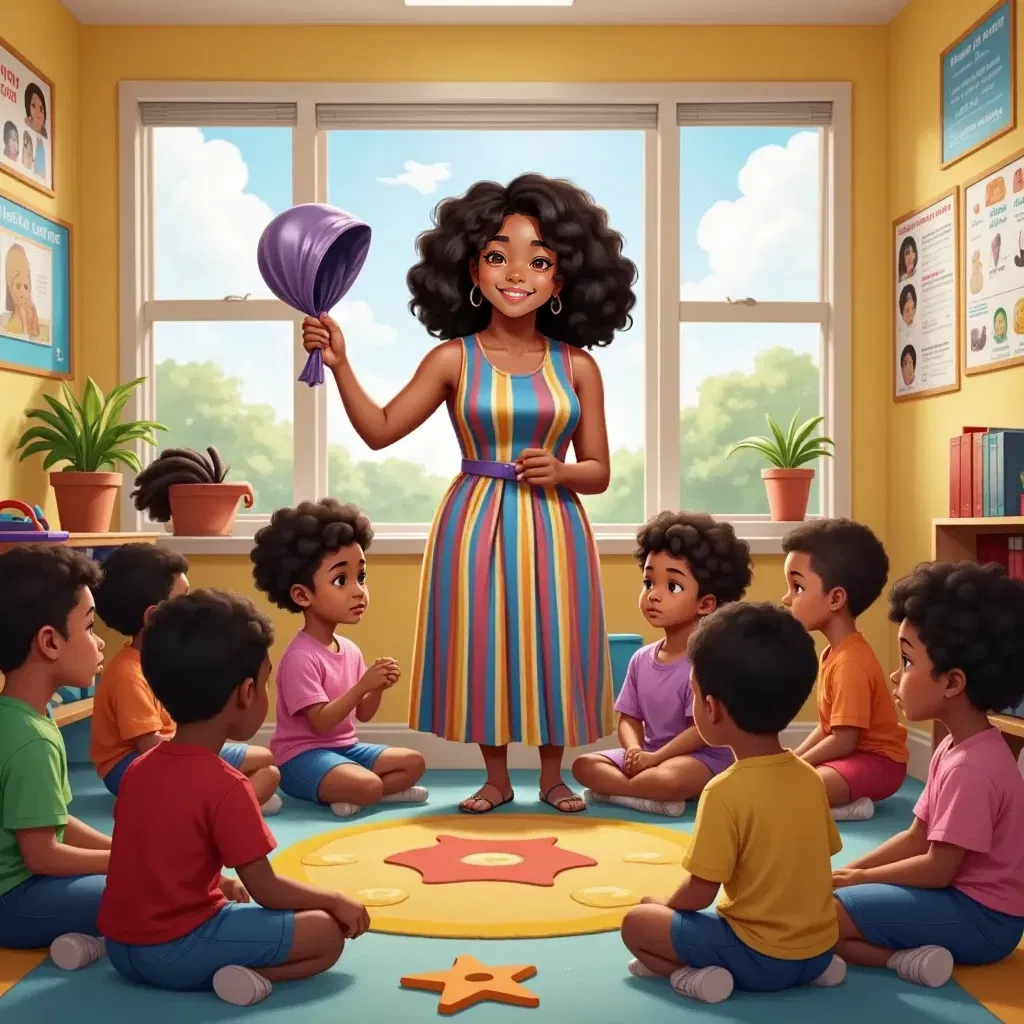
A warm and friendly Black woman named Keekah, with big, beautiful curls, guides children through the steps of wash day in a cozy and inviting classroom setting. She starts by showing them a satin bonnet and silk pillowcase for protection, then moves to a bright bathroom where she gently wets her hair, applies conditioner, and detangles with care using a wide-tooth comb. As she rinses and wraps her hair in a towel, the scene feels warm and comforting. Next, she stands in front of a mirror, excitedly choosing between colorful beads, braids, or a big afro. Finally, she admires her fresh style with confidence, reminding the children that their curls are special. The book ends back in the classroom, where Keekah spreads her arms wide, joyfully teaching that wash day is all about self-love and embracing natural beauty
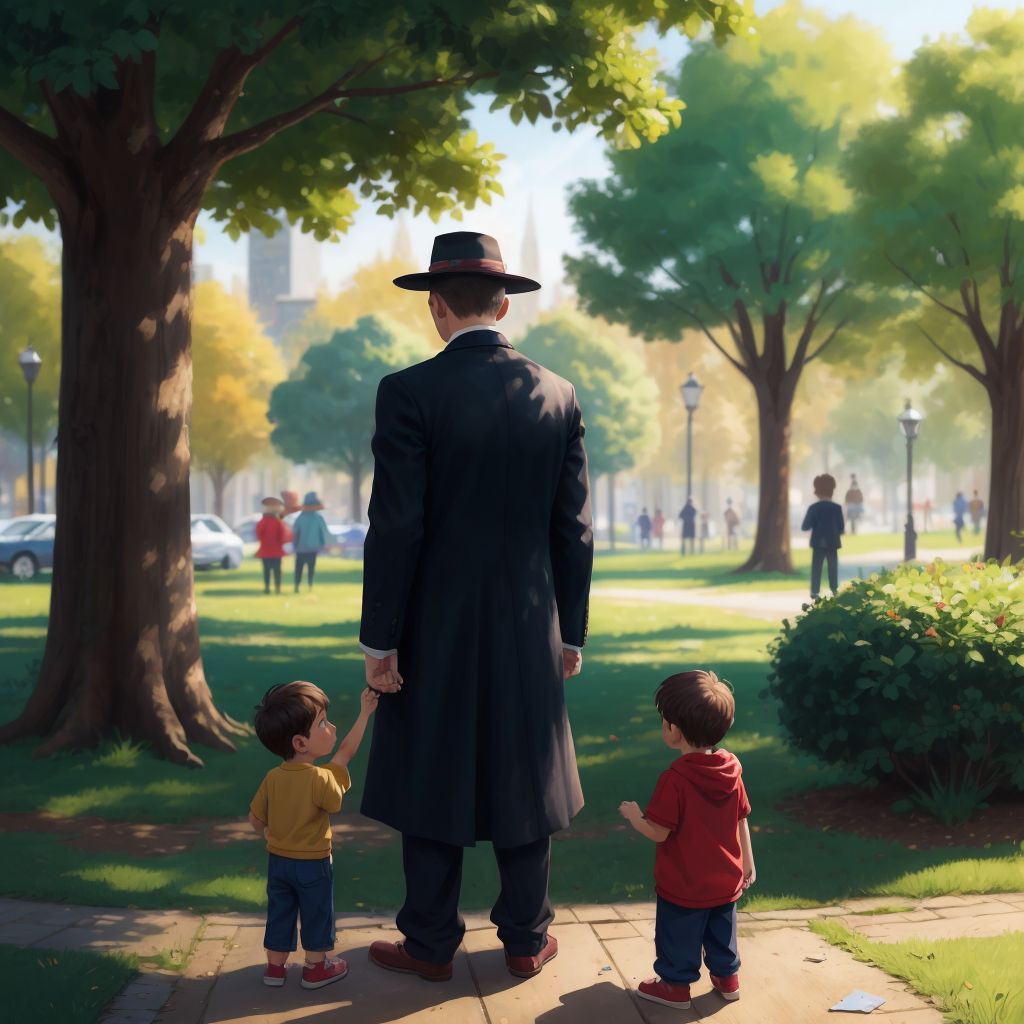
Плохой дядя следил за детьми,но на помощь пришла суперженщина и спасла деток

Ahri, a curious young pup, lived with her family—Mama Bear, Papa Bear, and little Honey—in a cozy forest. Often asked what she wanted to be when she grew up, Ahri was unsure and decided to explore different paths. She first tried being an astronaut, dreaming of adventures in space. However, the solitude wasn’t for her; she missed her friends Carly, a German Shorthair Pointer, and Nilah, a German Shepherd. Next, Ahri attempted to be a musician but soon realized she didn’t enjoy singing. She then considered firefighting but was too wary of fire. Throughout her explorations, her family and friends supported her. Carly suggested, “Why not join the Pup Academy? Training with other pups might help you find your way.” Eager to try, Ahri joined the academy, where she met Nilah, who was excited about the training. Together, they navigated the obstacle course. When she got tangled in a wire crawl, Ahri began to cry, feeling as if she had failed. Sargent Carly comforted her, saying, “You didn’t fail; you tried, and that’s important. You can try again.” Encouraged by Carly’s words, Ahri trained diligently. On her next attempt, she successfully completed the course, her friends cheering her on. Ahri realized that finding her purpose was about the journey and learning alongside loved ones, knowing she was on the right path to understanding who she was meant to be.
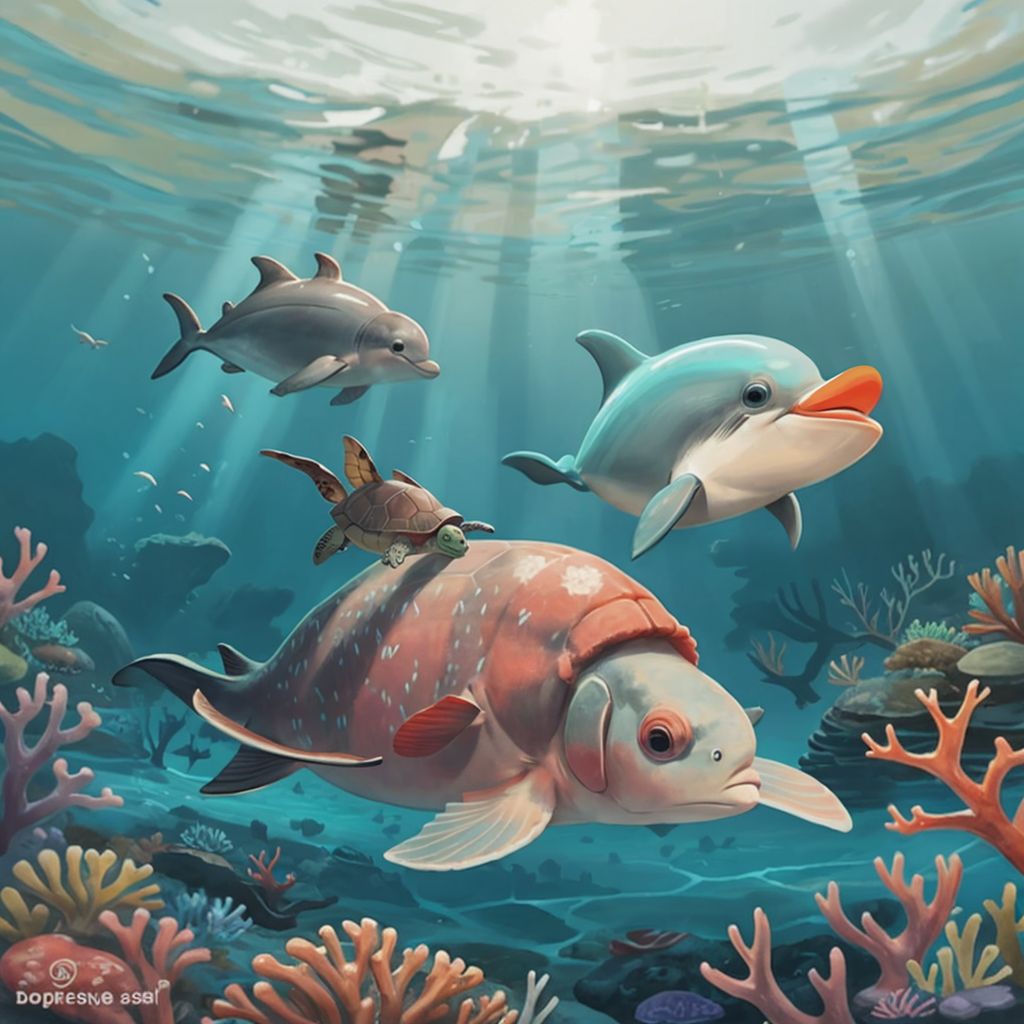
1. One sunny day, Dolphin, Turtle, Clownfish, and Starfish were playing hide and seek in the ocean. Starfish was the seeker, and they all hid in different places. Starfish found Turtle and Clownfish quickly, but the Dolphin was nowhere to be seen! 2. Dolphin couldn’t be found anywhere! The friends began to worry. Just as they were about to give up, a pufferfish named Nabil swam over, out of breath. “I saw a whale near Dolphin!” Nabil said. “I think the whale might have eaten him!” 3. The friends swam quickly to where Nabil had seen Dolphin. To their surprise, they found Dolphin chatting happily with a baby whale. Scene 5: Suddenly, Starfish felt dizzy and fainted from the pollution in the water. “Starfish! Wake up!” cried Turtle, Clownfish, Dolphin, and the baby whale. “I know a healer who can help!” Clownfish said. “Let’s go to their house!” Scene 6: The friends swam quickly to the healer’s house. “Hello, are you home?” they called. The healer opened the door. “What’s wrong, little ones?” he asked kindly. “Please help! Starfish is poisoned from the plastic in the ocean,” said Turtle. The healer let them in and treated Starfish, who soon woke up. “Thank you for saving me,” Starfish said gratefully. The healer said, “This is happening because people are careless. They throw trash everywhere without thinking about the consequences. The ocean is polluted, coral reefs are dying, and fish are losing their homes. If people don’t change, they will hurt themselves too.” Scene 7: As they swam back home, they were amazed to see that the ocean was clean again! The humans had worked together to pick up the trash and clean the ocean! “Wow, the ocean is beautiful again!” Dolphin exclaimed. “There are still humans who care about the environment,” Clownfish said happily. “Thank you, kind humans!” they all cheered. And from that day on, the ocean stayed clean and beautiful!
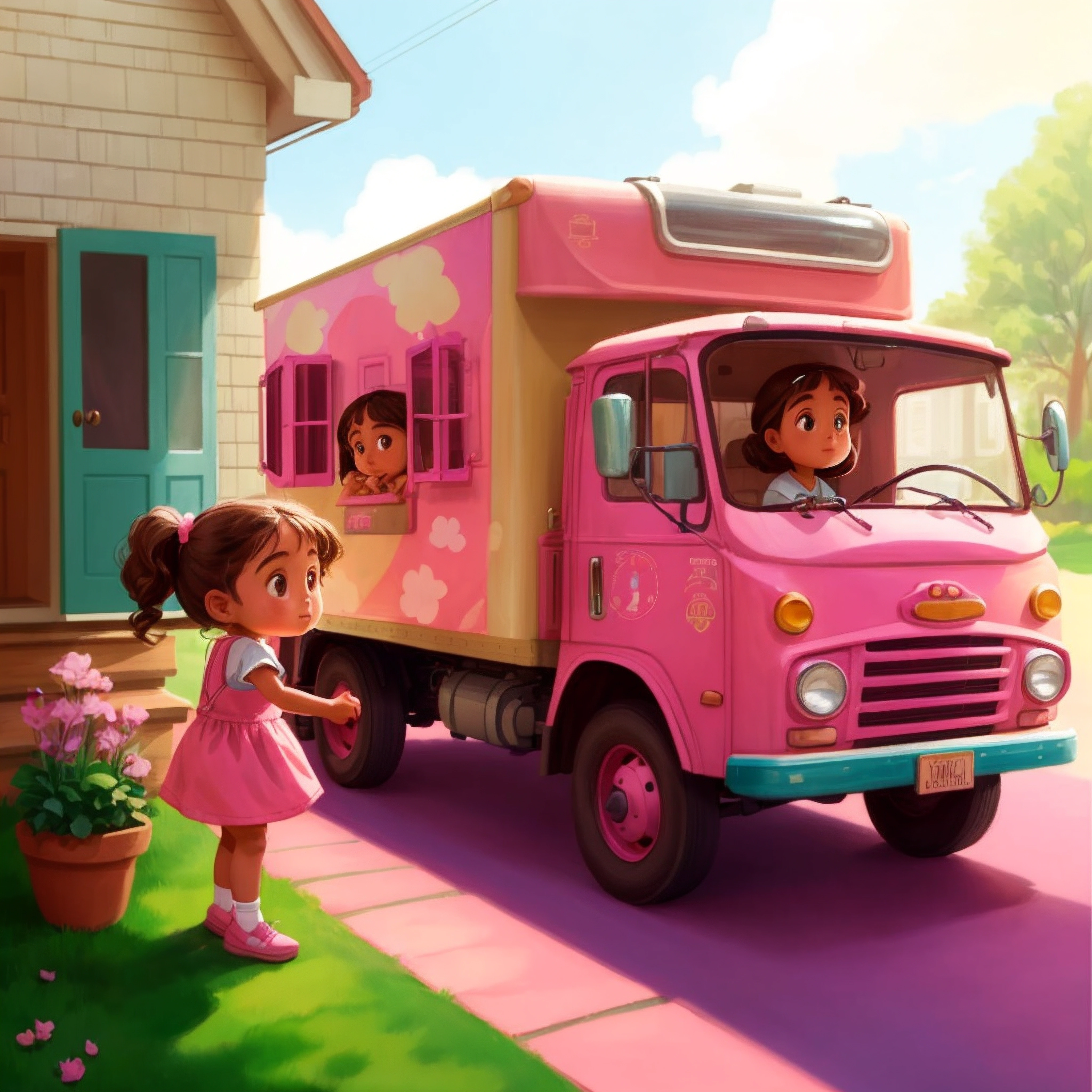
A little brown girl with beautiful two puffs and pink outfit
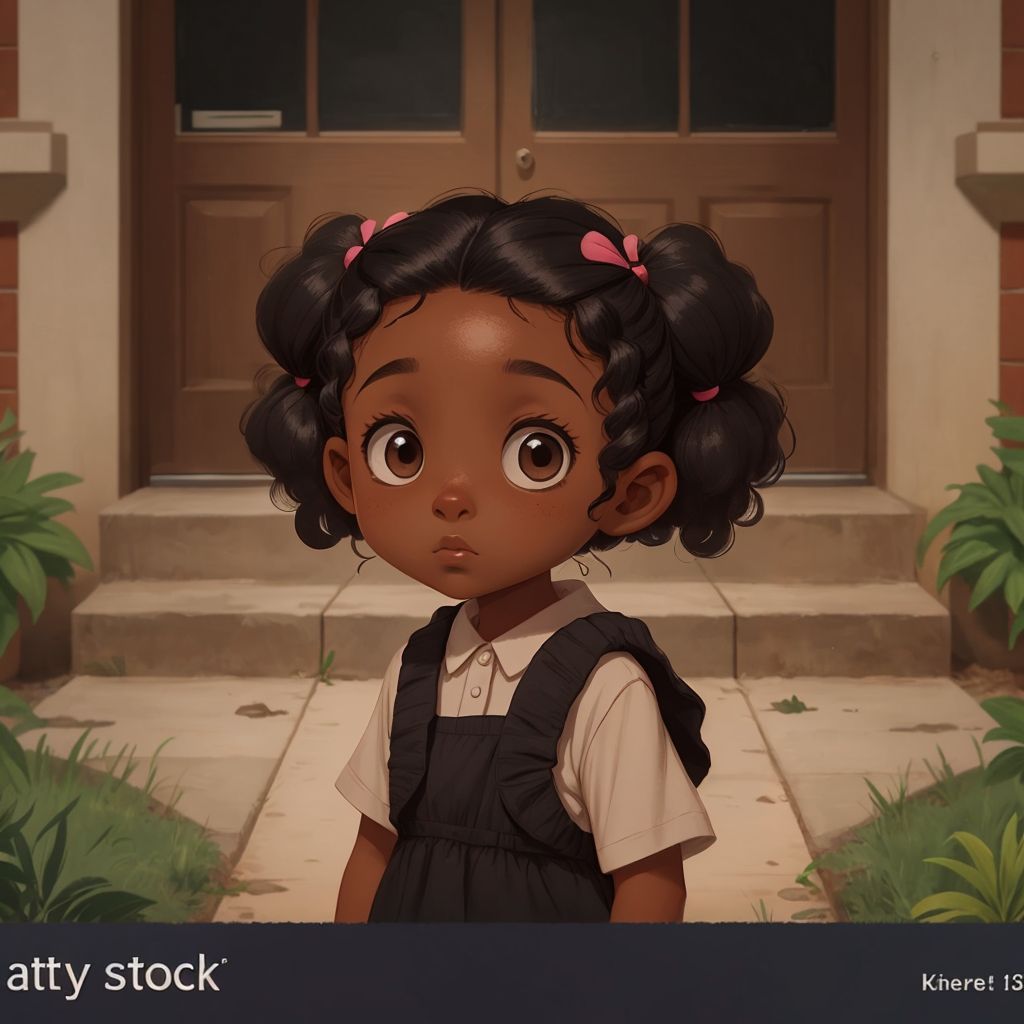
Little girls the race of black, hispanic and korean despite their race embrace each other and their friendship at school.
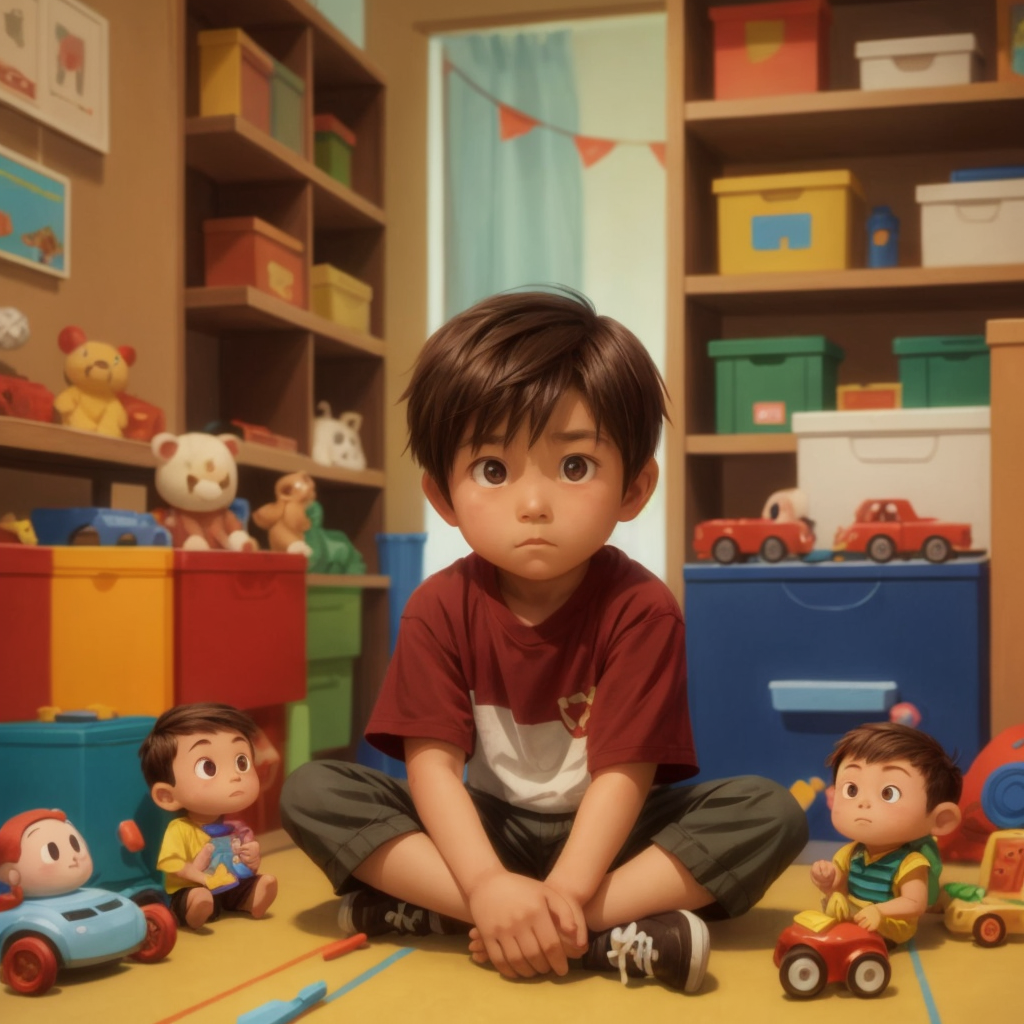
little boy scared to be adult he wanted to be a kid so he will not be hard in life so he wanted to be a child

Dinosaurs going on different adventures