
 Start Read
 Recommend
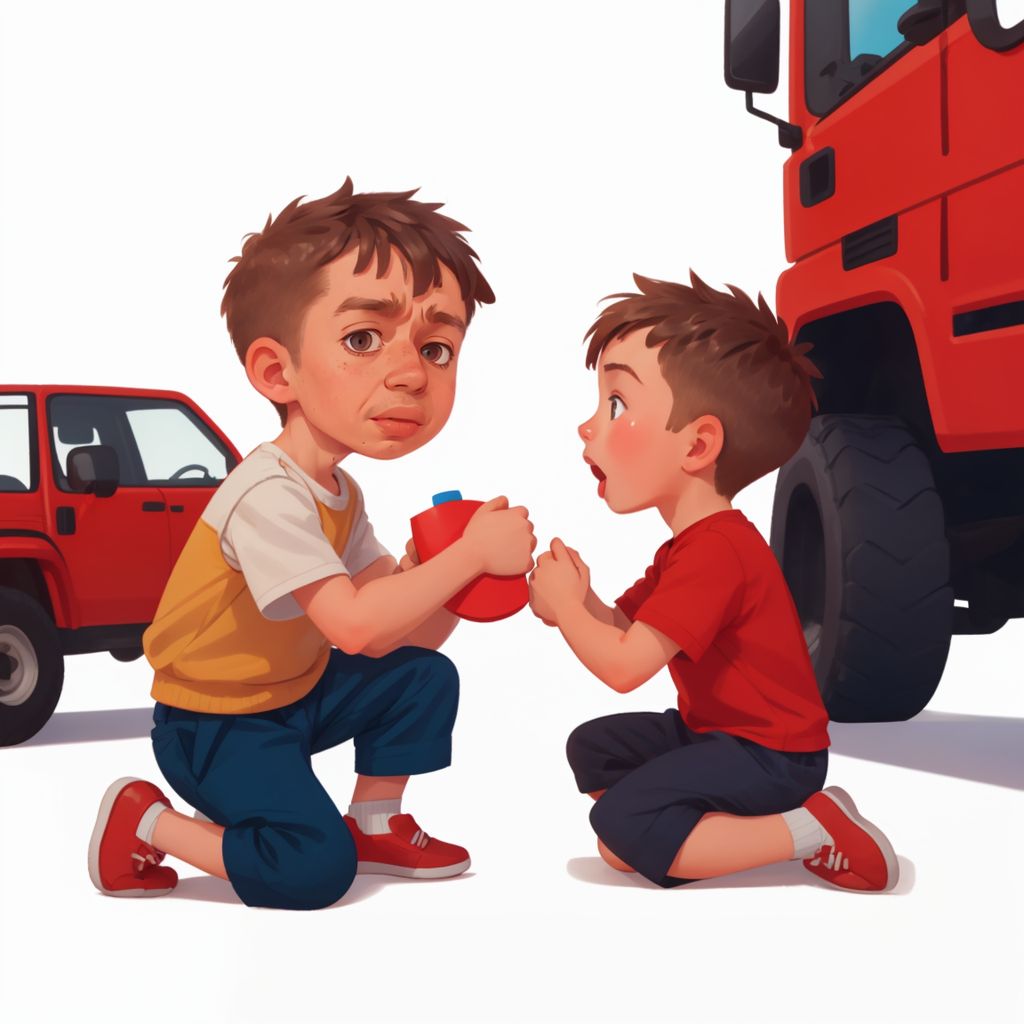
Daddy teaches Cooper about controlling his temper, that anger is not good.
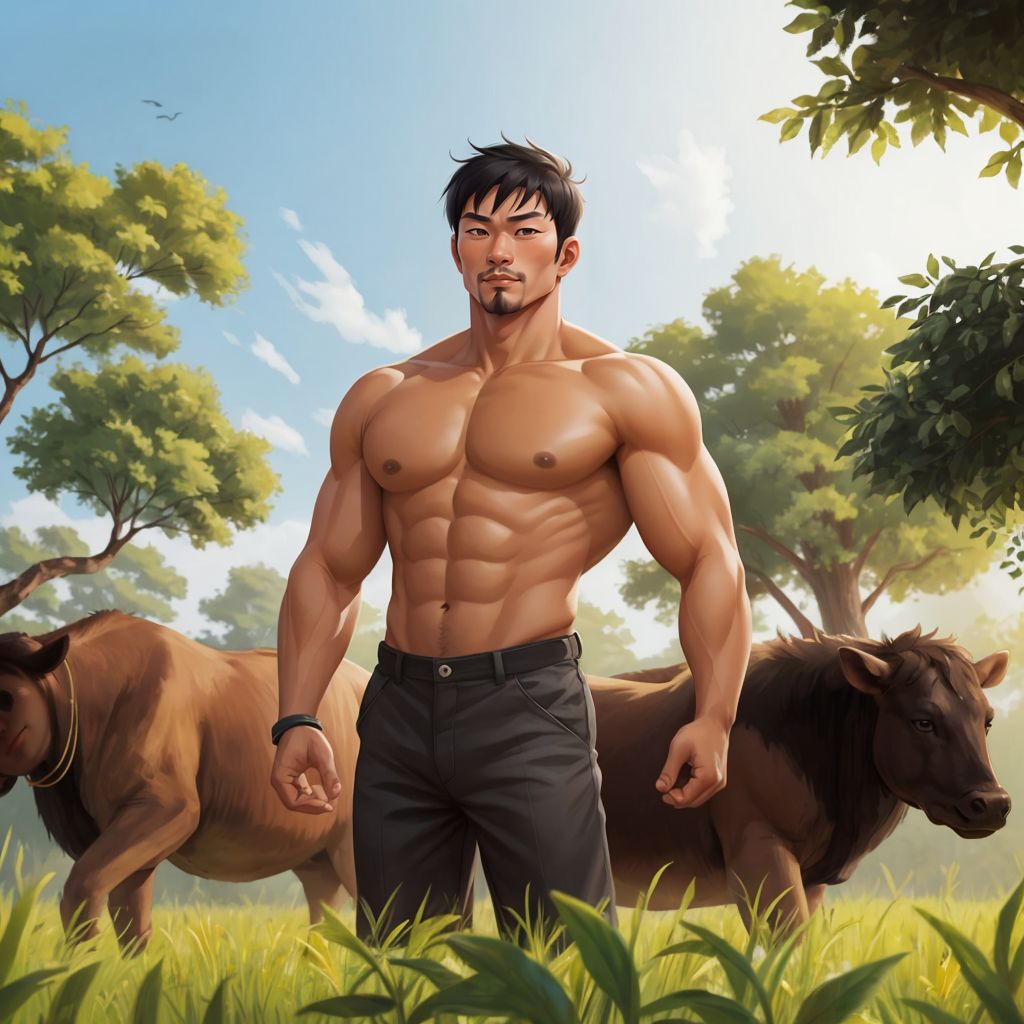
Rural Cambodia during the Khmer Rouge regime (1975-1979), where intense fear and secrecy dominate. A farmer lives under the constant threat of the Khmer Rouge, who enforce brutal policies against intellectuals, ethnic minorities, and anyone deemed counter to their regime. The farmer witnesses the arrest and disappearance of neighbors, realizing that the Khmer Rouge’s brutality could soon affect those he knows and cares about. He decides to act rather than stand by, initiating his resistance. The farmer begins secretly hiding families on his property, moving them at night and smuggling food. He faces immense risk, aware that being caught would lead to execution for him and everyone he’s hiding. Rumors circulate that villagers are betraying each other to save themselves. The farmer becomes increasingly paranoid but is determined to stay strong and support those hiding on his property. Soldiers arrive to search his home. In a moment of intense danger, the farmer keeps his composure, calmly engaging the soldiers in conversation to avoid suspicion while hiding his terror. The soldiers move on, narrowly missing the hidden families. After the soldiers leave, the farmer and the families he sheltered are left in a quiet, tense relief. The families decide to move on the next day to prevent further danger to the farmer. Survivors, inspired by the farmer’s courage, tell his story in whispered tones to others, spreading awareness about the possibility of resistance even under a brutal regime.
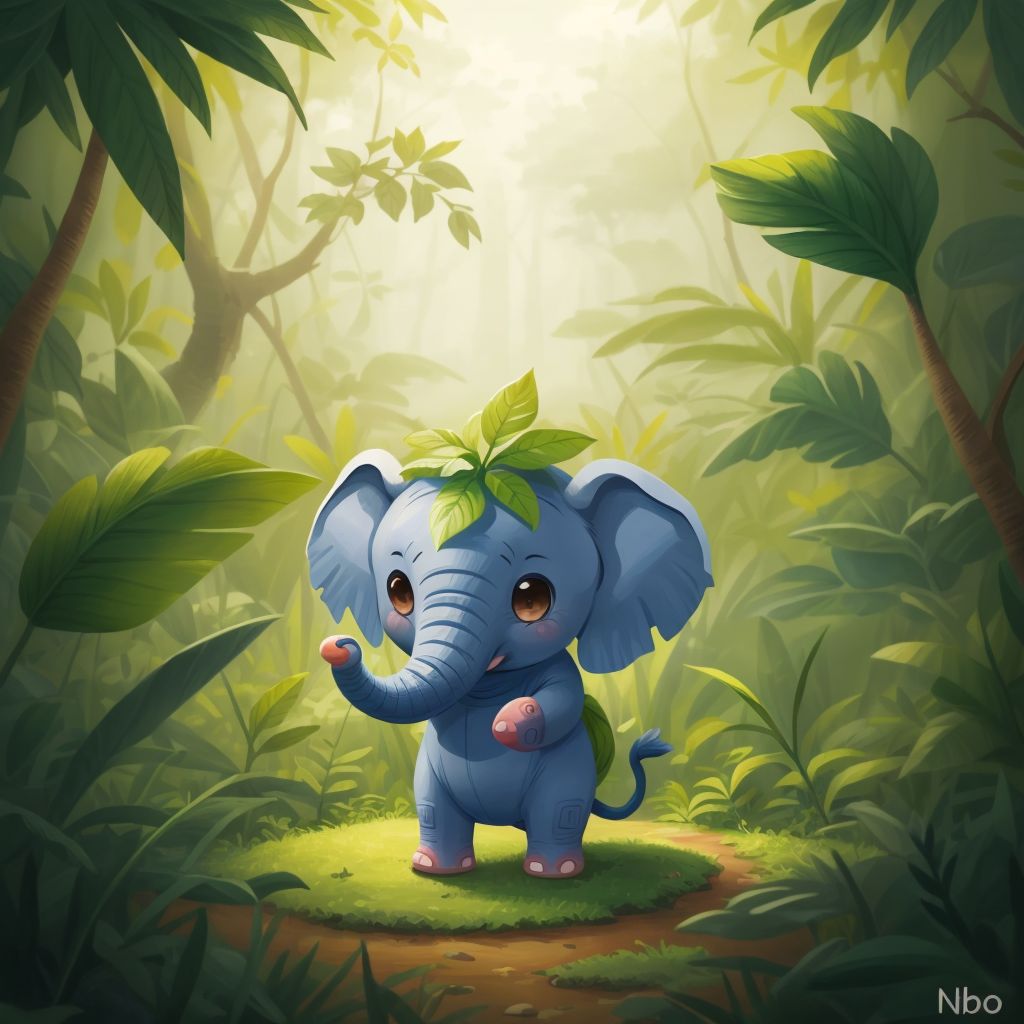
Once upon a time, in a vast jungle, there was a little elephant who was afraid of everything. One night, he heard a cry for help and discovered a baby bird stuck in a thorn bush. Gathering his courage, he helped the bird, realizing that bravery comes in small acts of kindness. Moral: Courage is not the absence of fear, but the triumph over it.
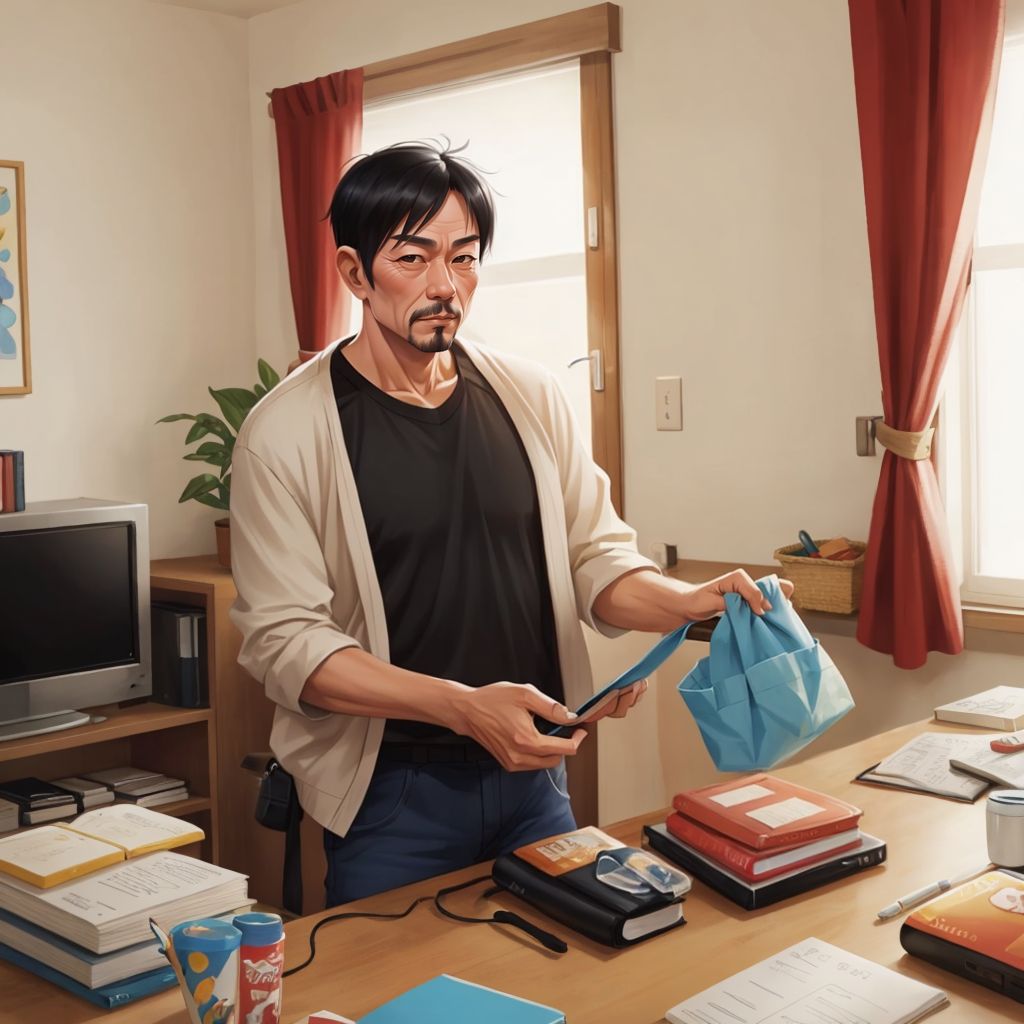
A day on a beach
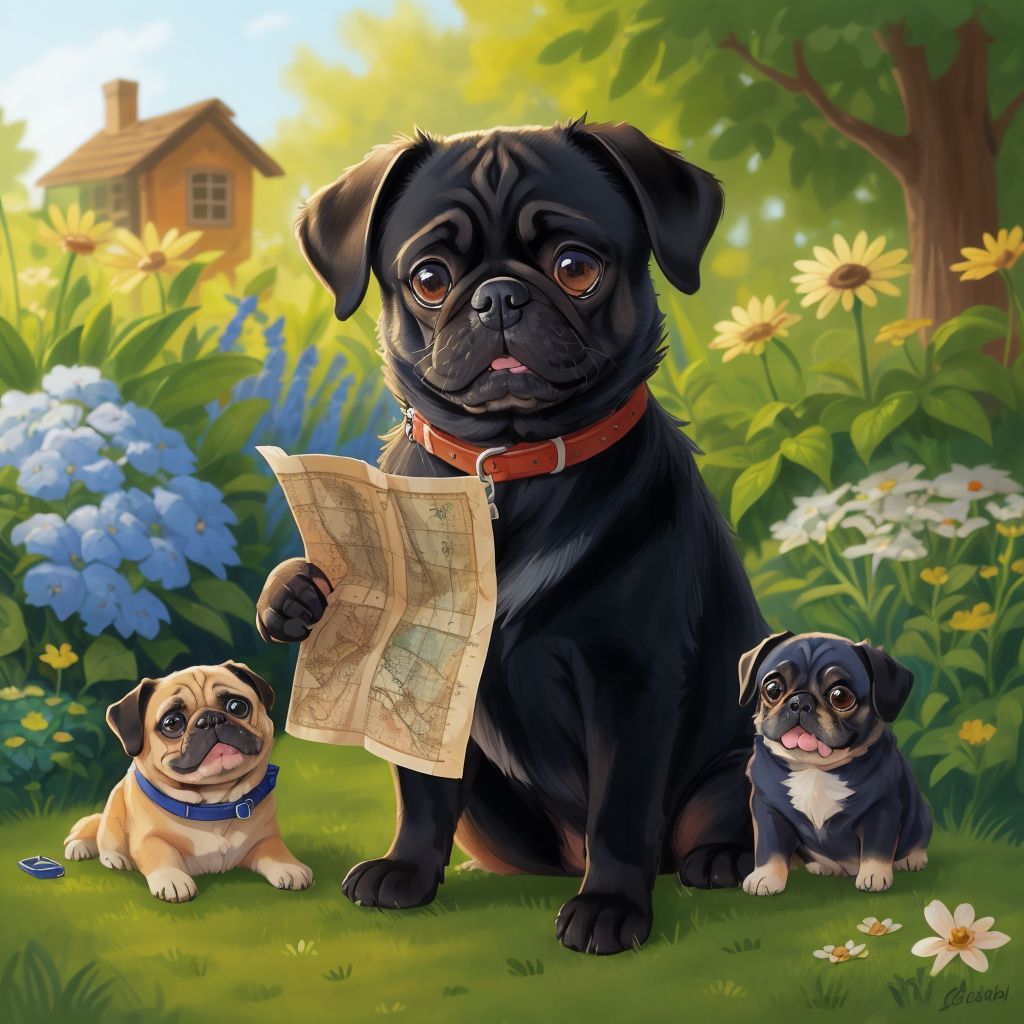
This book tells the story of a playful pug named Mailo and his diverse group of friends stumbling upon a mysterious treasure map. Excited by the prospect of adventure, they embark on a quest to find the hidden treasure, encountering challenges and obstacles along the way. As they follow clues and unravel the map's secrets, they realize that the true treasure lies not in gold or jewels, but in the bonds of friendship they share. In the end, they celebrate their adventures and the joy of companionship beneath the stars, knowing that with their friends by their side, every moment is a treasure to be cherished.
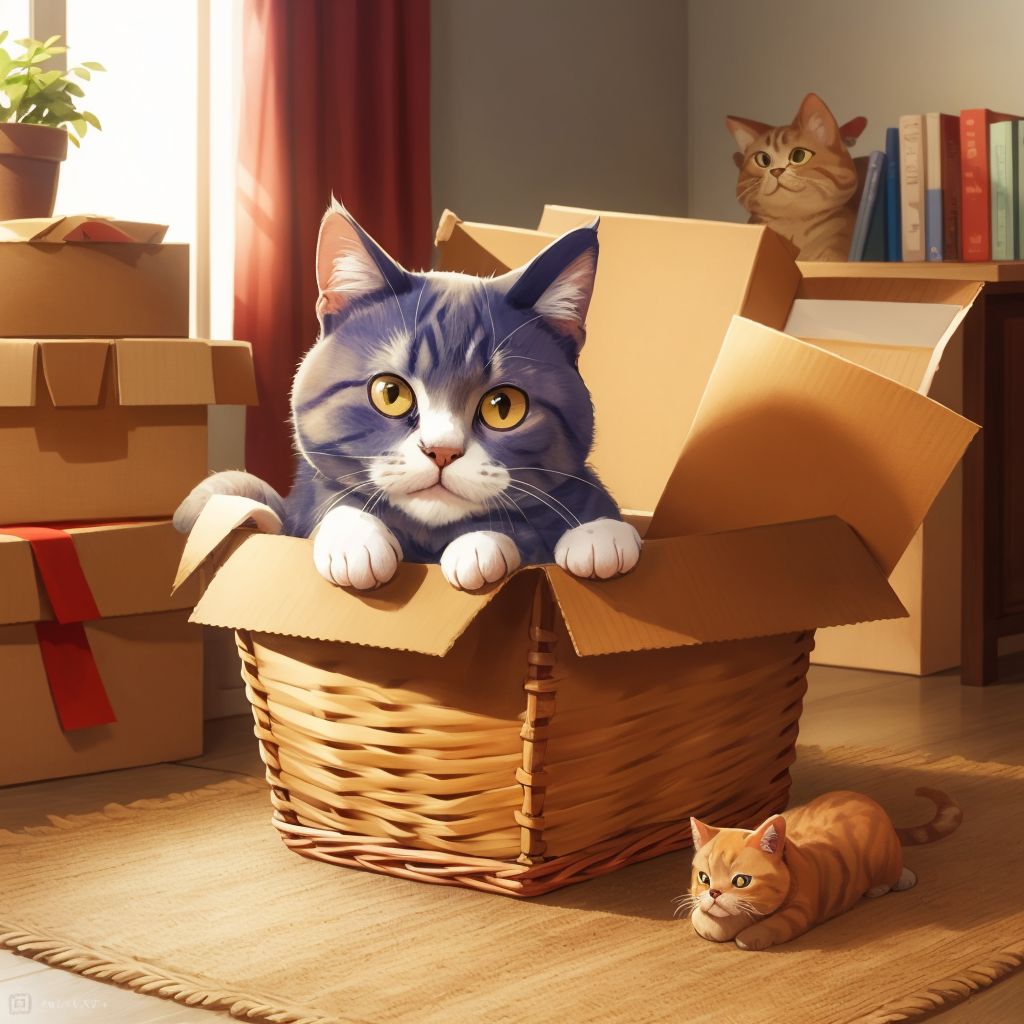
A little cat called mr Whiskers is coming into the city with his master , a man called mr Barney and a horse called Clover. He is lost in the market but in the end he finds a new home with Mrs. Jankins
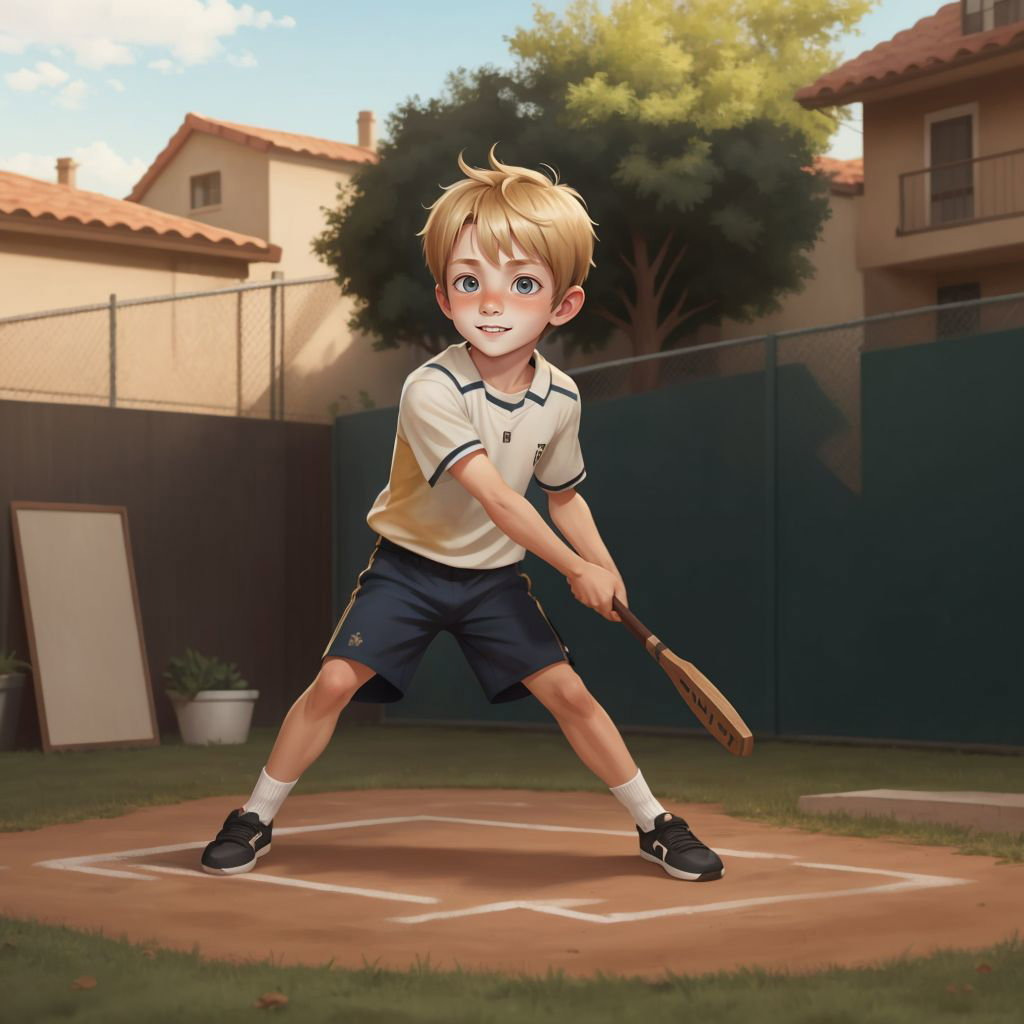
A boy from a small toen with a passion and talent for baseball try’s out and makes the team in the new Junior Major League!
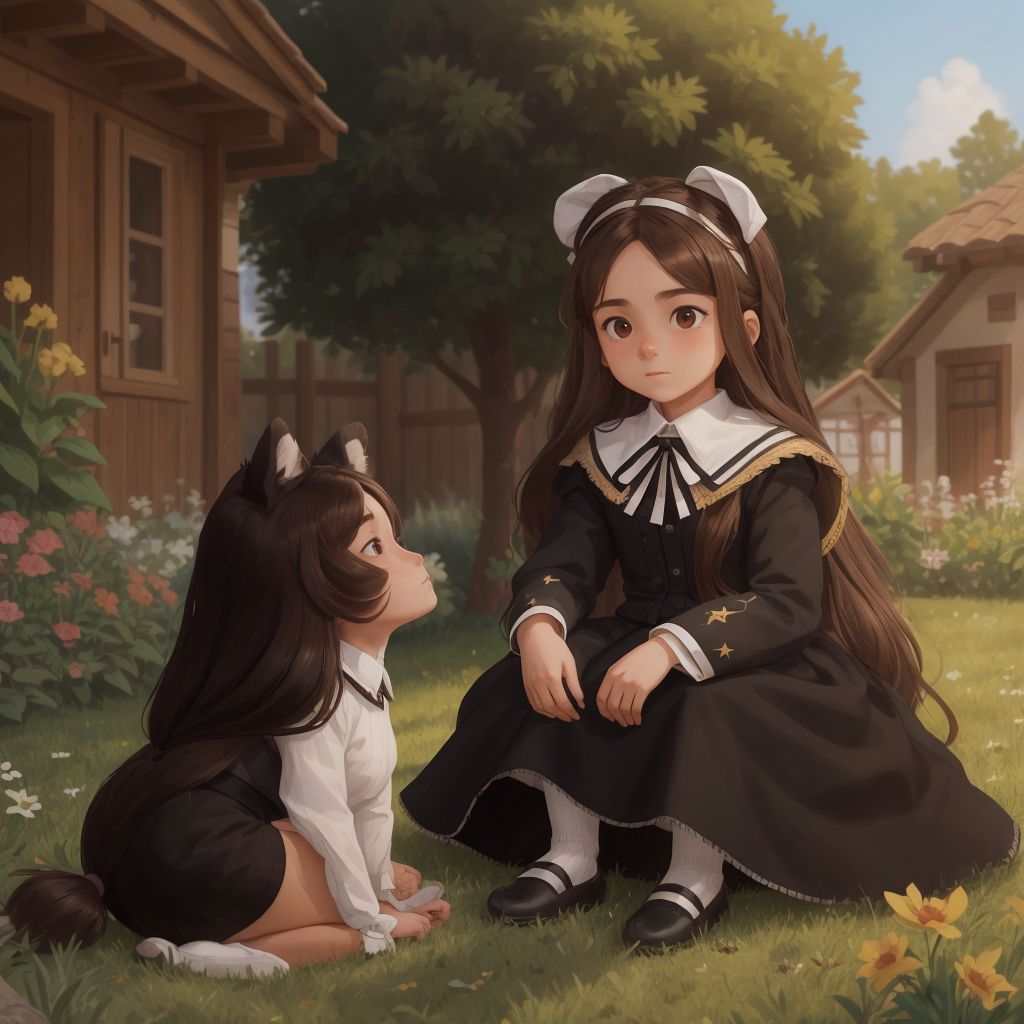
Thunder is a black pomeranian with black fur and a white chest and chin. Thunder protects the American flag and his human, Emily, from some bad guys who try to steal it from Emily's yard.
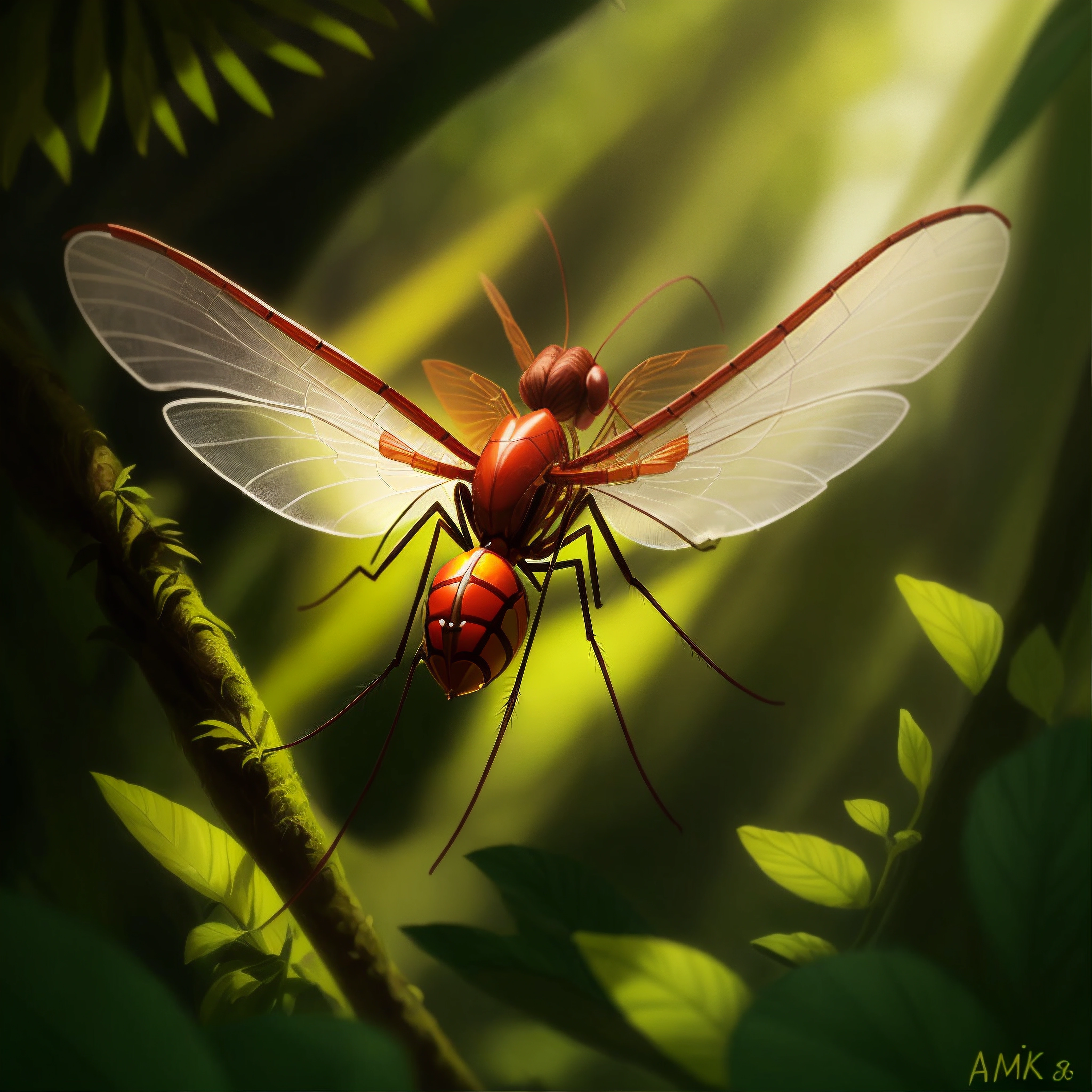
1. Female Anopheles gambiae mosquito is flying through the picturesque Congo Rainforest 2. Mosquito's mouthparts, antennae, and food preference are described 3. Children of the Congo Rainforest are playing in their village 4. Mosquito lands on the arm of child in the Congo Rainforest 5. Eery view of the Congo Rainforest village empty 6. Picture of sleeping children 7. Medicine man comes to cure the children 8. end of book
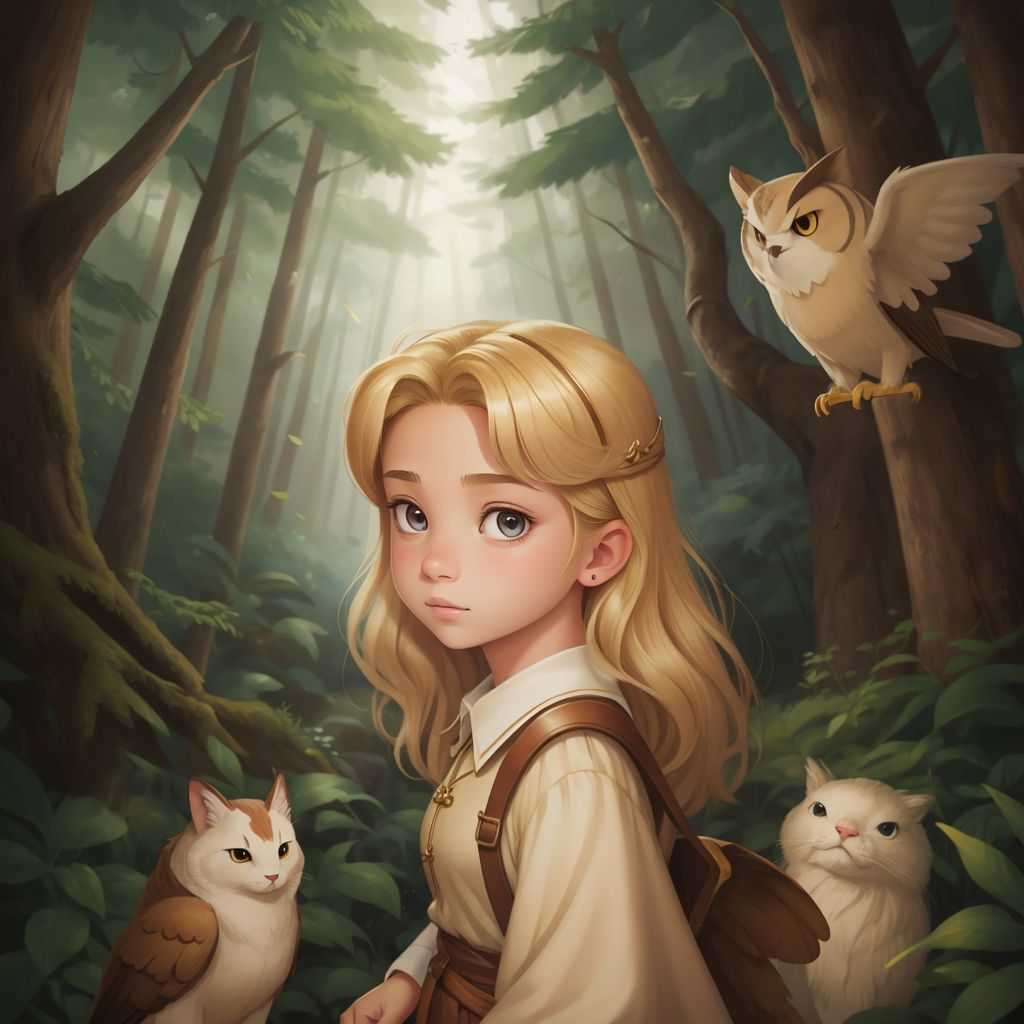
**Scene 1: Hutan Ajaib** - Setting: Hutan yang lebat dengan pohon-pohon tinggi dan makhluk-makhluk magis. - Karakter: Mia, seorang gadis muda yang penuh rasa ingin tahu, dan sahabatnya yang bisa berbicara, Lumos, seekor burung hantu bijak. - Aksi: Mia dan Lumos memulai perjalanan melalui hutan, bertemu peri-peri ramah dan makhluk-makhluk kecil yang nakal di sepanjang perjalanan. **Scene 2: Desa Tersembunyi** - Setting: Sebuah desa kecil yang tersembunyi di lembah, terlindung dari dunia luar. - Karakter: Mia dan Lumos bertemu dengan Elder Willow, roh pohon kuno yang menjaga desa tersebut. - Aksi: Mereka belajar tentang ramalan kuno yang mengatakan akan datangnya seorang yang terpilih yang akan menyelamatkan dunia mereka dari kegelapan. **Scene 3: Gua Kristal** - Setting: Jaringan gua-gua kristal yang bersinar di bawah pegunungan. - Karakter: Mia dan Lumos menghadapi tantangan yang diberikan oleh penjaga gua, golem kristal misterius. - Aksi: Mereka harus memecahkan teka-teki dan menavigasi jalan yang berbahaya untuk mencapai pusat gua, tempat sebuah artefak yang kuat tersembunyi. **Scene 4: Kastil di Langit** - Setting: Benteng mengambang di awan, tempat tinggal penyihir jahat, Shadowbane. - Karakter: Mia menghadapi Shadowbane, yang berusaha untuk memanfaatkan kekuatan artefak untuk tujuan gelapnya. - Aksi: Pertempuran seru terjadi saat Mia menggunakan kekuatan dan kebijaksanaannya yang diperoleh dari perjalanan tersebut. Dengan bimbingan Lumos, dia mengalahkan Shadowbane dan mengembalikan keseimbangan ke dunia. **Scene 5: Pulang ke Rumah** - Setting: Kembali ke hutan ajaib, di mana kedamaian telah kembali. - Karakter: Mia berpamitan kepada teman-temannya dan berjanji akan mengunjungi lagi suatu hari nanti. - Aksi: Lumos meyakinkan Mia bahwa dia telah memenuhi takdirnya sebagai yang terpilih, meninggalkannya dengan perasaan puas dan kagum saat dia kembali ke rumah, yang selamanya diubah oleh petualangannya yang tak terlupakan.
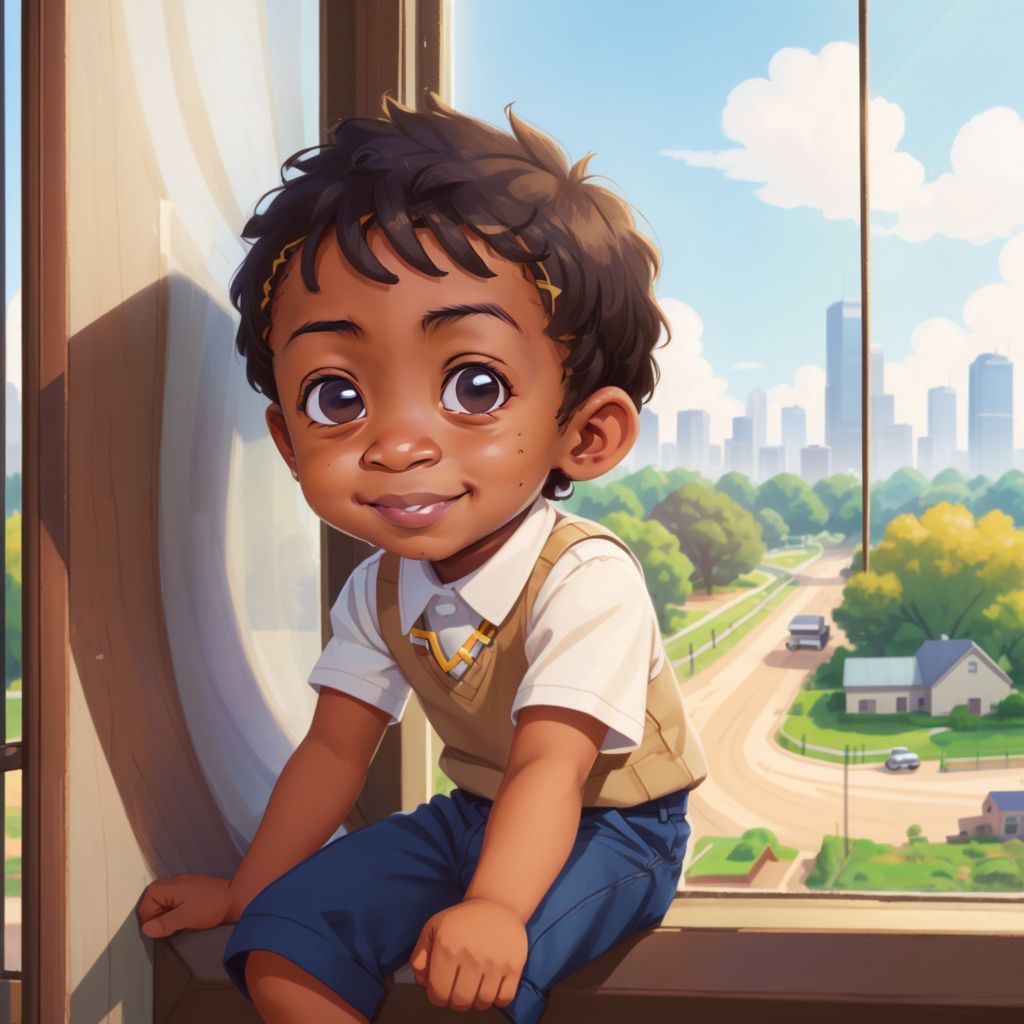
Enkosi wanted so much to be a Super Hero. He climbed tables, chairs, window bars and everything climbable in his Mumba family home. One day he was stung by a bee whilst in the farm fields of the farm that his family lived at - Oakley Green Farms. Although it didn't hurt, his father, Daddy Chombs, applied some medication for the sting. He went to bed late for his age as usual. Like most nights he dreamt of being a super hero.

Adjusting to change
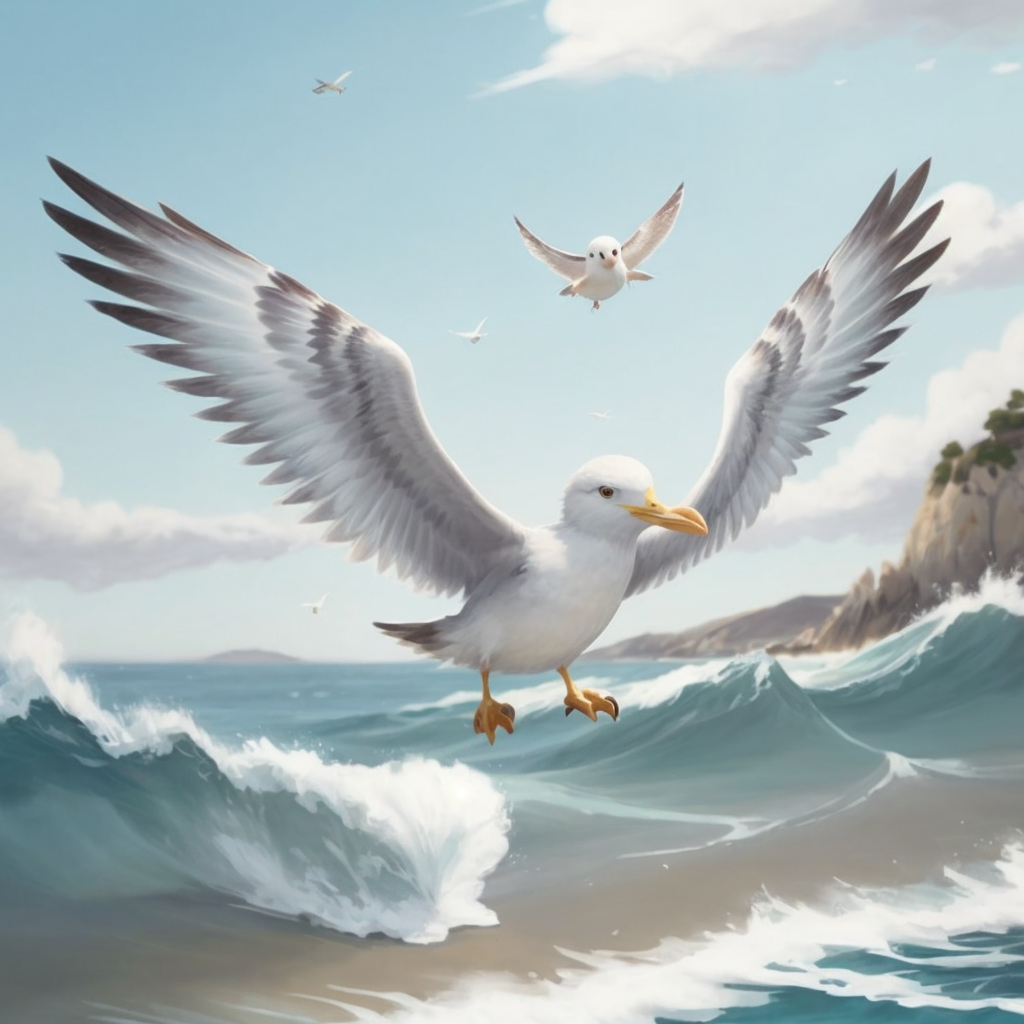
It was a beautiful day in Monterey Bay. a baby seagull and an otter chase each other in and out of the waves. the otter seemed annoyed, but then begins to share his lunch with the seagull because he was hungry and couldnt find food. unlikely friends take care of each other and otter swims away with family. make this a rhyming book.
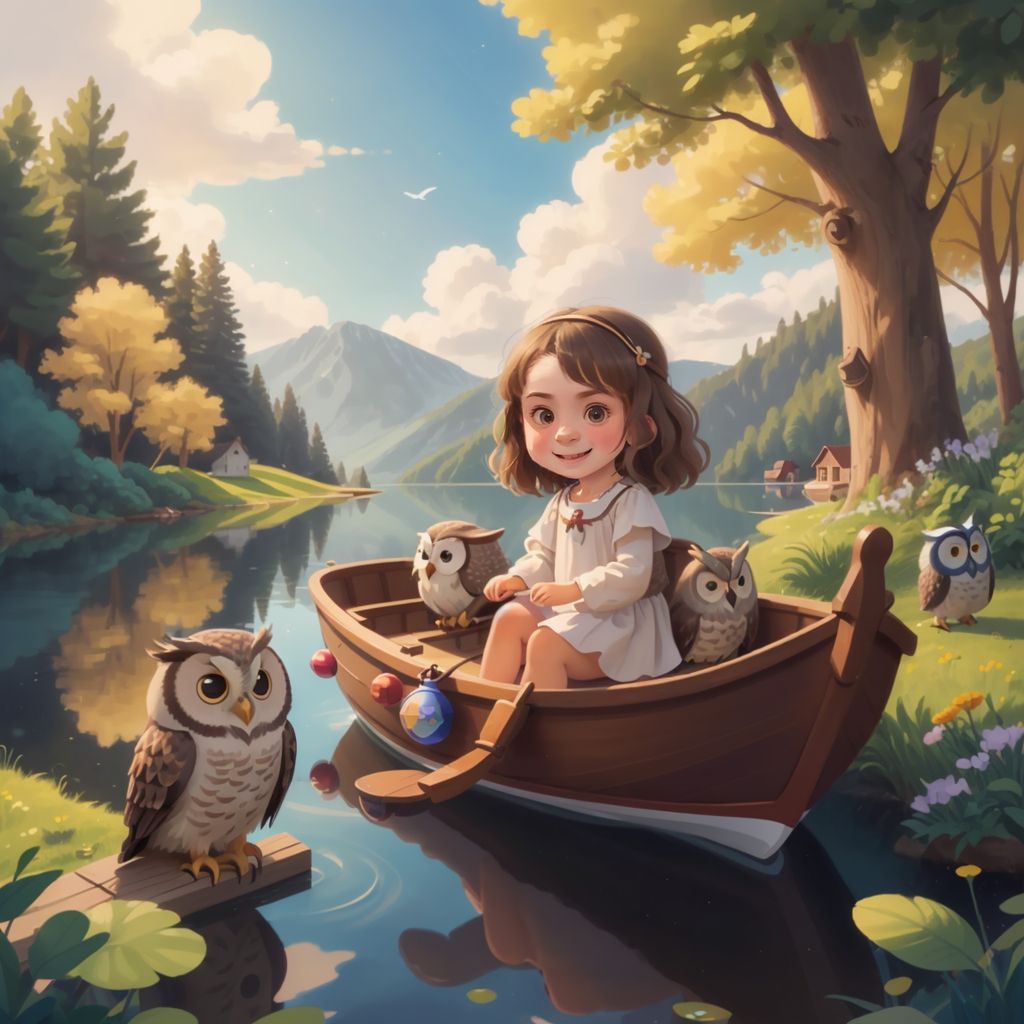
Brooklyn, a bright-eyed six-year-old girl with a heart full of dreams, and her adventurous three-year-old brother, Logan, embark on an enchanting journey to the mystical land of Azure Meadows, where unicorns roam freely, and dragons glide majestically across the sky. Their quest begins when they discover a hidden ferry, manned by a wise old owl, that promises to take them across the shimmering Silverlake to a magical forest filled with wonders. Armed with their imaginations and a map drawn in crayon, Brooklyn and Logan set out to find the legendary Crystal Unicorn, befriending curious creatures and facing playful challenges along the way. Their adventure is filled with laughter, courage, and the magic of discovery, as they learn that together, they can face any challenge and make their wildest dreams come true.

Meet Max, the most curious dog in the neighborhood. Join him on a paw-some adventure filled with curiosity, problem-solving, and tasty treats!
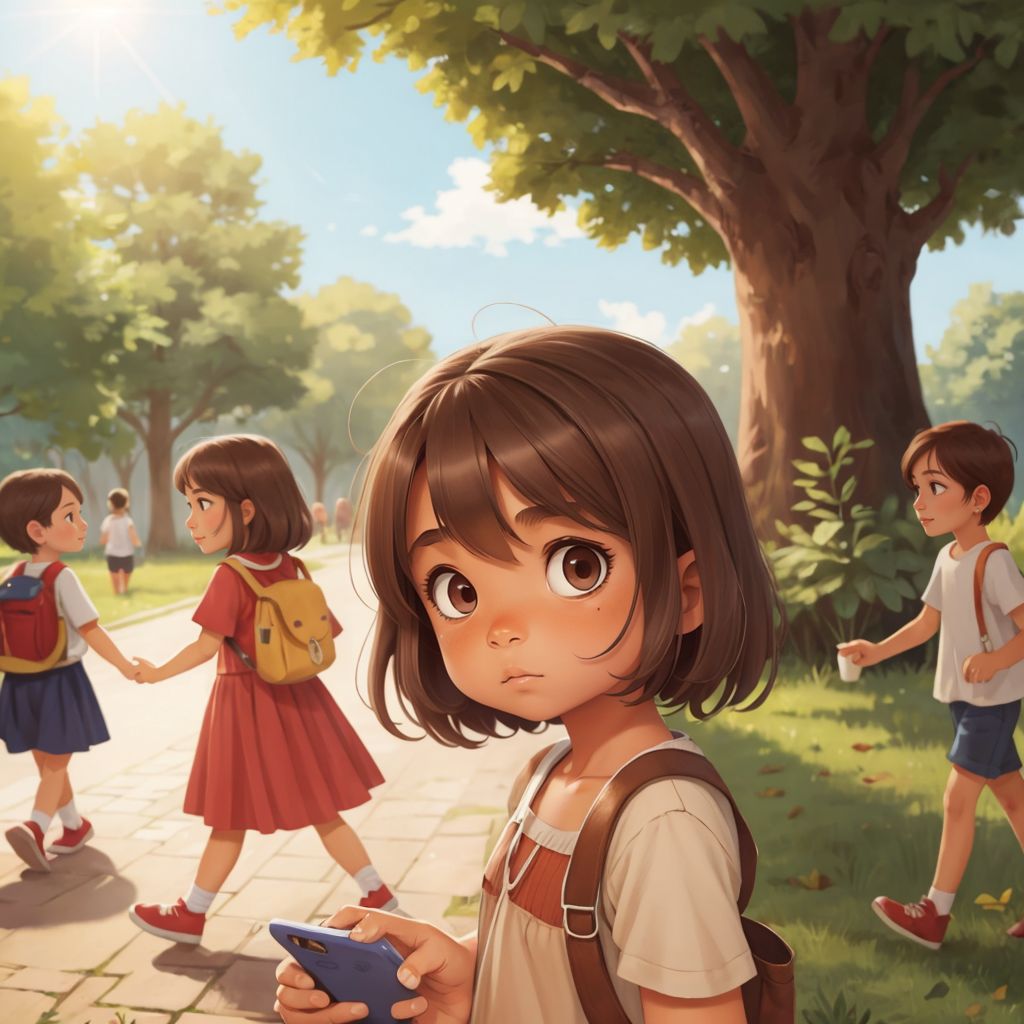
on a sunny afternoon Pearl and her friends decided that they wanted to go on a rollercoaster ride inTexas
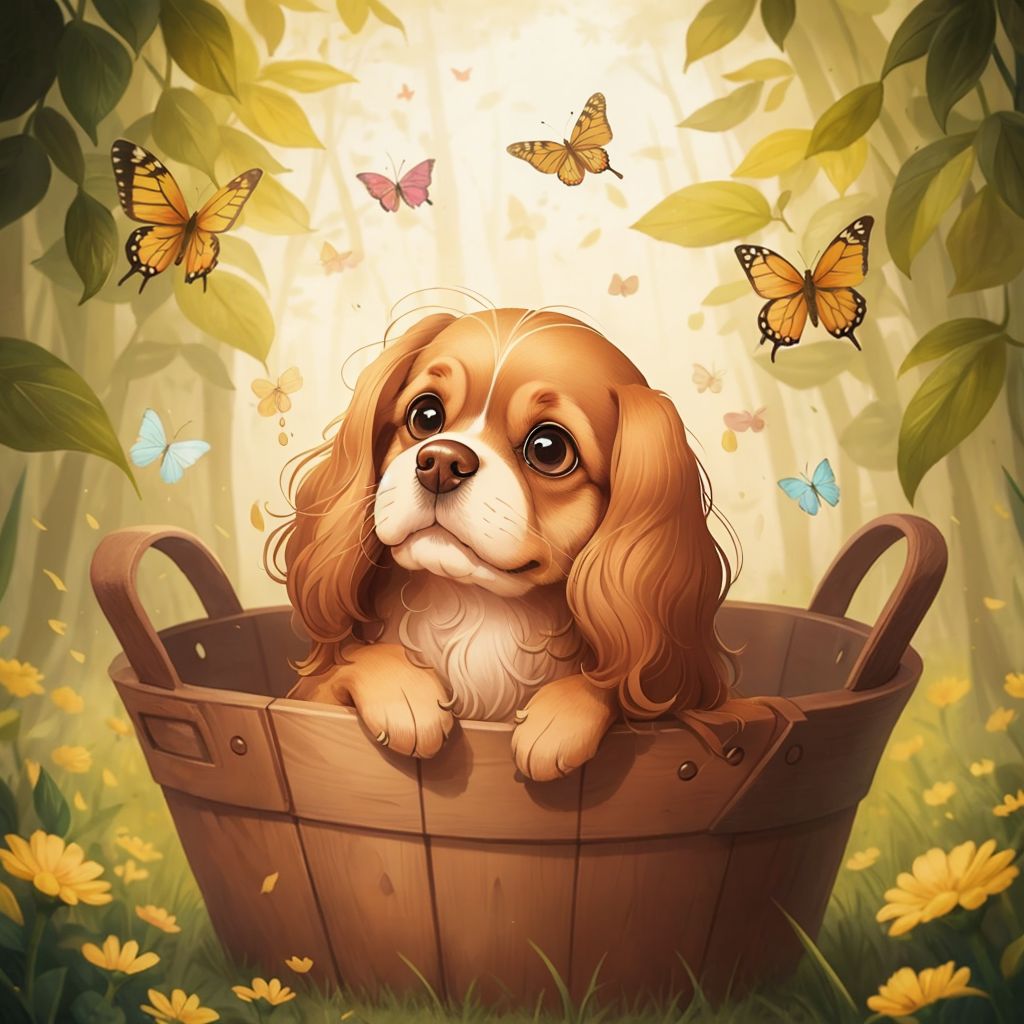
cute young cocker spaniel cartoon dog is playing in the garden when she notices a bee fying aroud her making her dizzy. she plays with the bee and it stings her on the nose HER NOSE GROWS AND GROWS
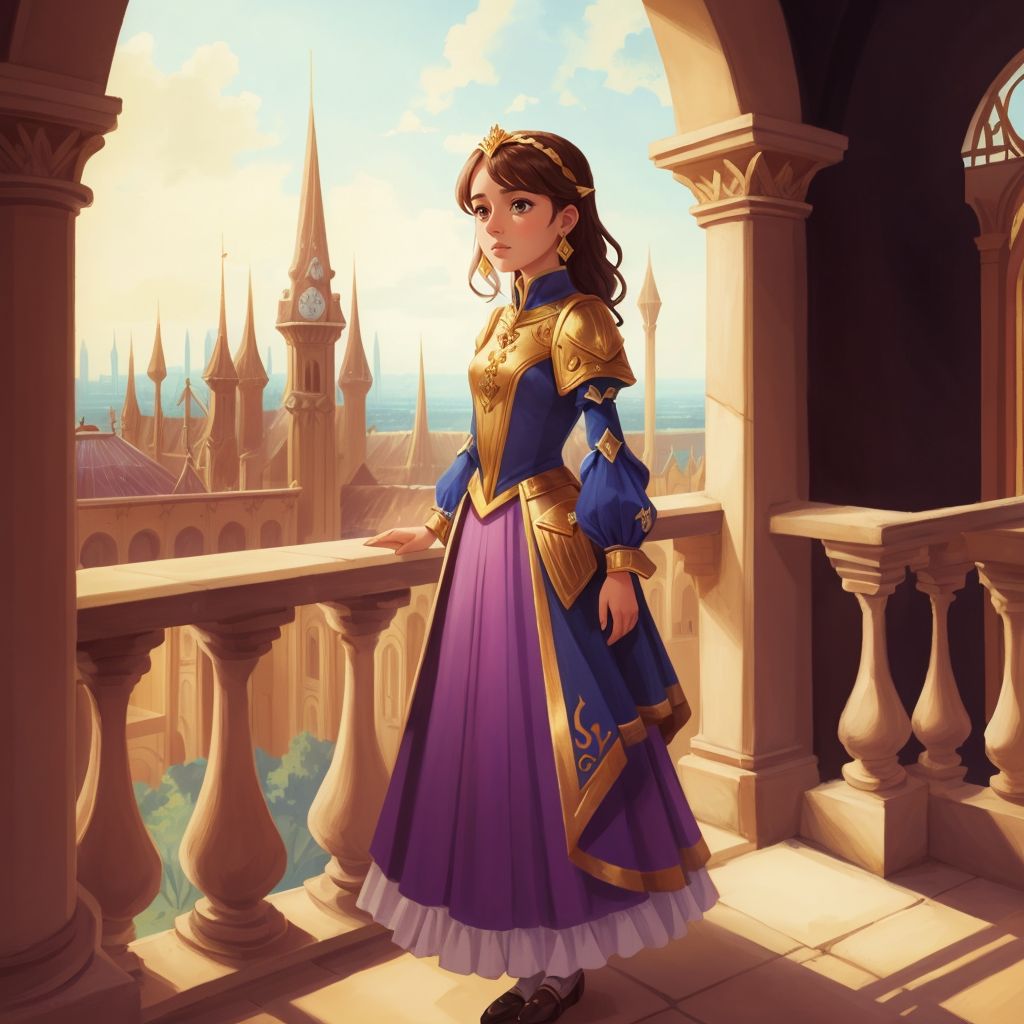
Deep in the heart of the universe, there lies a world where magic dances in the air and the laughter of nature sings through the valleys. This world, full of wonder and mystery, is known as Lumina. Here, in a palace of shimmering crystal, lives a young princess with the spirit of a warrior and the kindness of a saint. Her name is Loria, and she is not like any princess you’ve ever known. With her is Alarion, the White Guardian, a lion with wings as pure as snow and a tail with the sting of a scorpion. Together, they are about to embark on an adventure that will take them across the four corners of Lumina to unite the legendary Guardians of the elements. Their journey is one of courage, friendship, and discovery, as they seek to restore the harmony of their world. So turn the page, dear reader, and join Princess Loria and Alarion on their epic quest. Magic awaits!
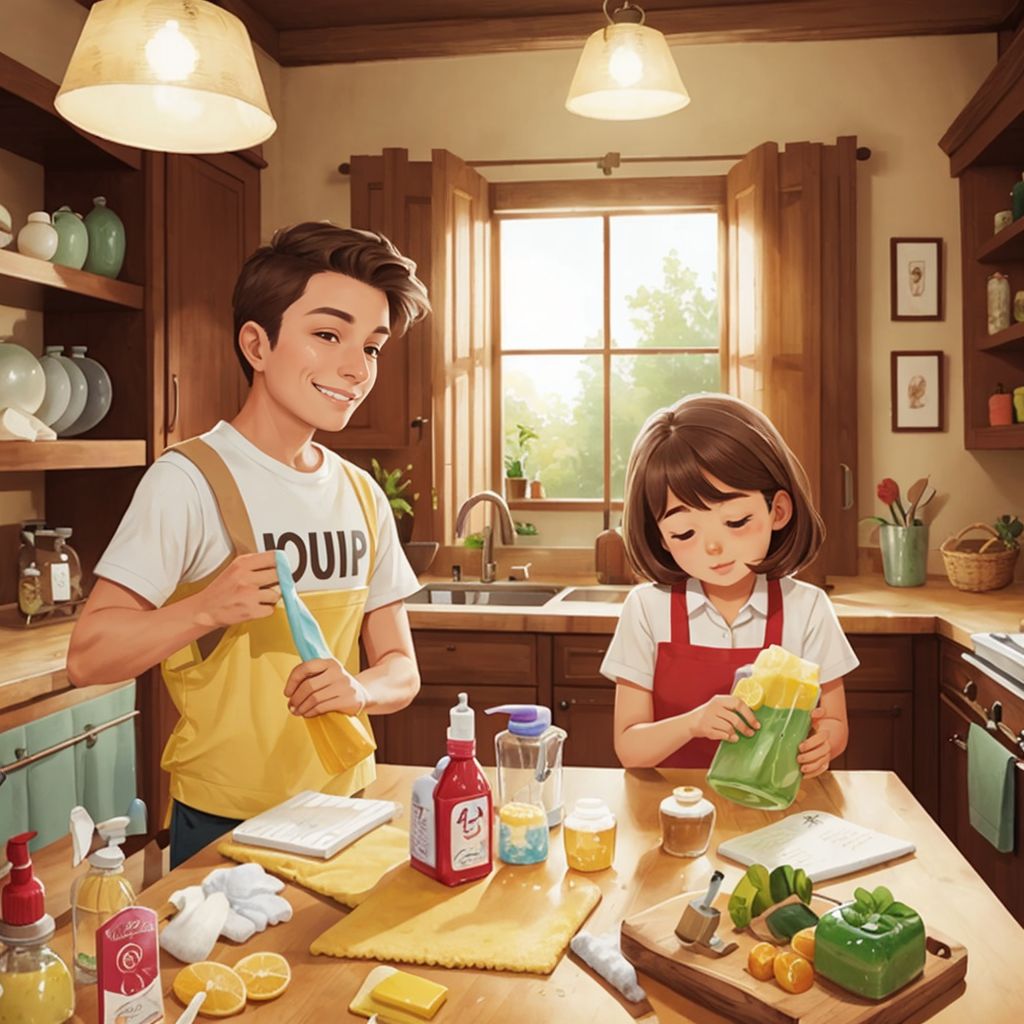
Stel je een wereld voor waarin schoonmaken niet als een vervelende taak voelt, maar eerder als een betoverende ervaring. Waar elke kamer die je schoonmaakt een warm en knus gevoel uitstraalt, verpakt in een fles zeep. Dit is waar Mr. Soap om draait en waar ons verhaal begint. Het verhaal begint bij de inspiratiebron zelf: de vrouw van Mr. Soap. Hij raakte geïnspireerd door het geheime ingrediënt dat zijn vrouw verwerkte in haar schoonmaakroutine. Dit deed zij om het schoonmaken een plezierige activiteit te maken in plaats van een verplichting. De geur werd het karakter van het huis en het dagelijkse gespreksonderwerp. Deze betoverende geur werd niet alleen een favoriet van Mr. Soap, maar ook van iedereen om hen heen. Vrienden en familie hebben van alles uitgehaald om het geheime ingrediënt te weten te komen om deze te kunnen implementeren in hun eigen schoonmaakroutine. Dit was het teken dat Mr. Soap de uitdaging aanging en begon te experimenteren met verschillende varianten van het geheime recept. Uiteindelijk slaagde hij erin het perfecte product te creëren: een zeep die de warmte en zachtheid van velvet naar elke kamer in je huis brengt. Bij Mr. Soap geloven we dat iedereen zichzelf moet kunnen trakteren op een vleugje motivatie om schoon te maken. Onze producten zijn ontworpen om je dagelijkse routine naar een plezierig niveau te tillen en je te laten genieten van een schoon huis, terwijl je tegelijkertijd de sensatie van een zachte, schone geur ervaart in je eigen huis. Maak van elk schoonmaak moment thuis niet alleen een onvergetelijke ervaring, maar ook een blijvende herinnering voor iedereen die langskomt. Ontdek het geheim met onze buitengewone zeepervaring.
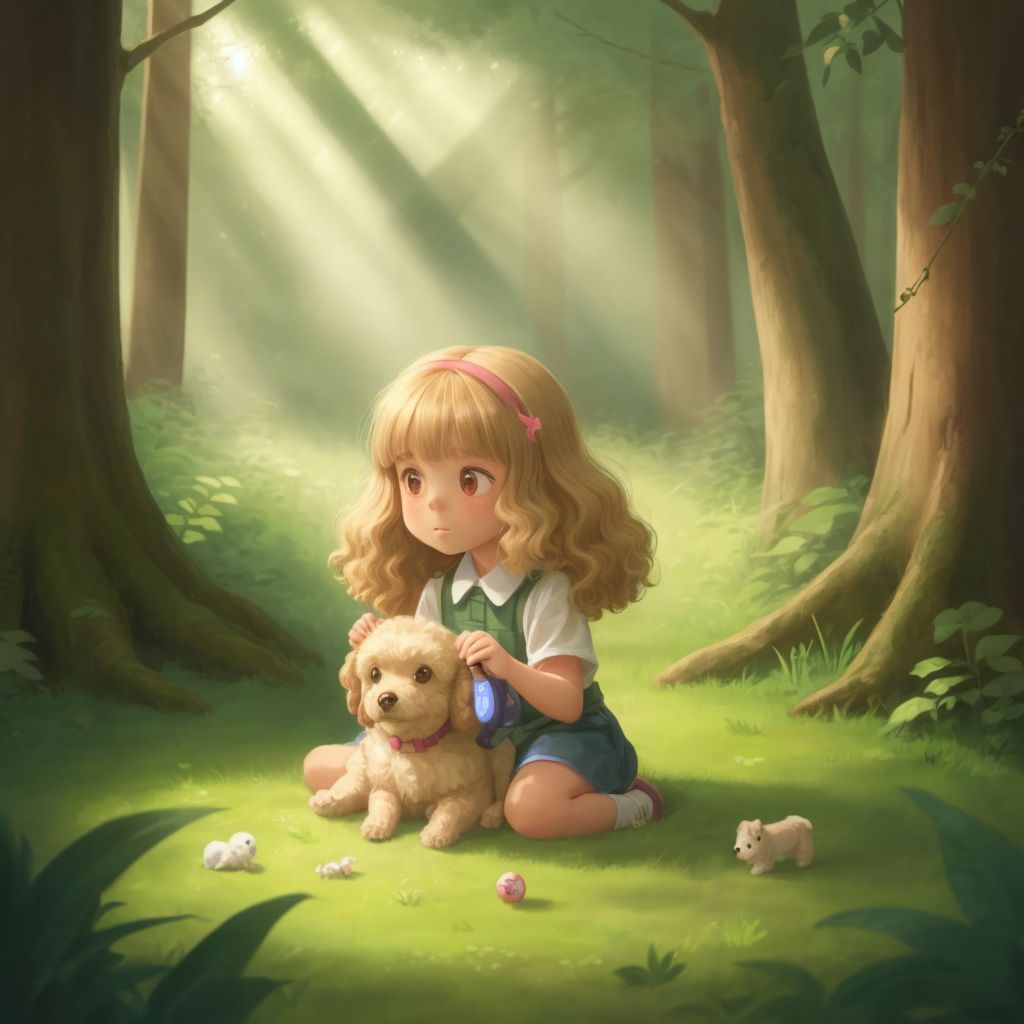
Gracie lives with her mom and dog in a cabin in the woods. She goes out to play, gets lost in the woods and scared. Then she remembers her mom told her to close her eyes and count to ten, then everything will be better again. Then a bird appeared and she followed it back to her house where her mom and dog were waiting. Mom was happy she was home and that she listened.