
 Start Read
 Recommend
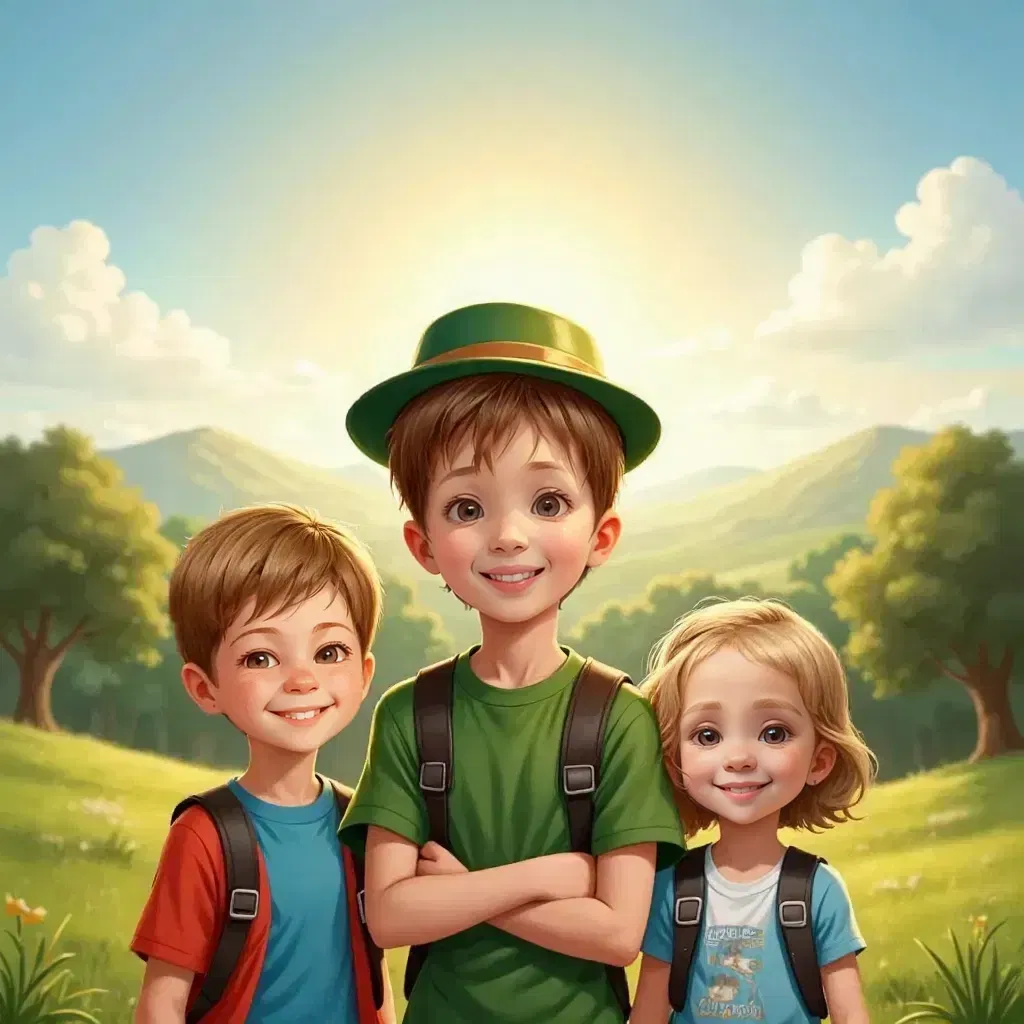
Autism through my eyes Hayden describes what having autism is like for him
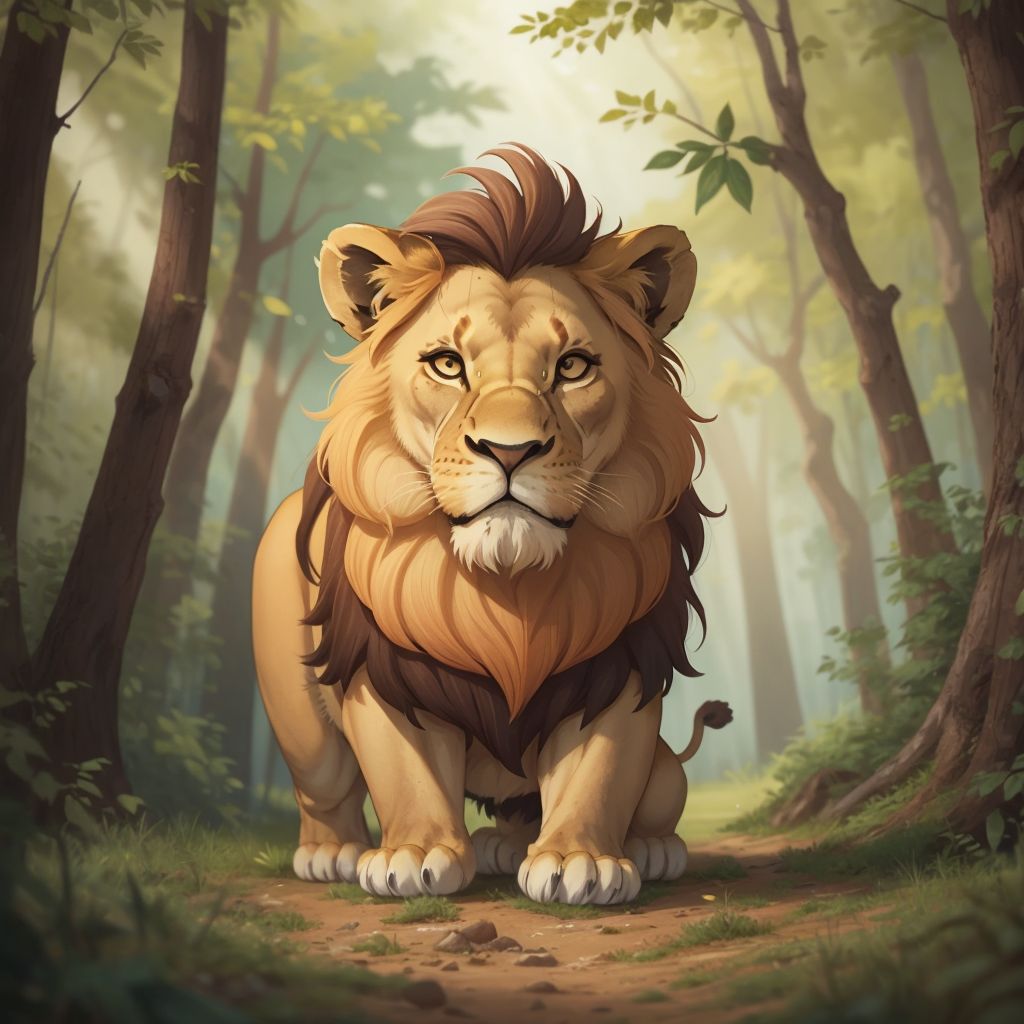
Join Leo the Lion and his friends as they venture into the mysterious Enchanted Forest to find the legendary Golden Acorn. Along the way, they encounter magical creatures, solve riddles, and learn the value of teamwork and bravery
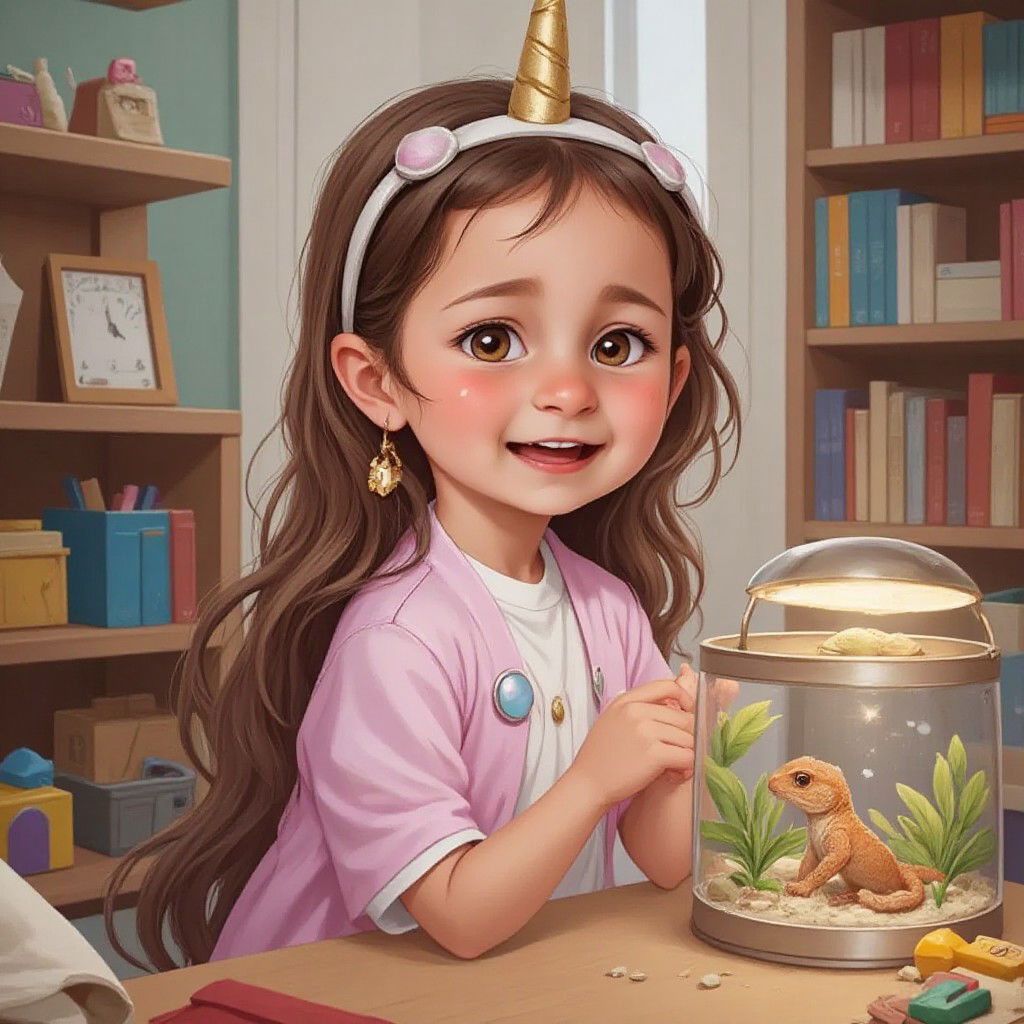
A 5 year old girl named Stella explores mysterious and magical worlds as she tries to find her Leopard Gecko named Crackers who escaped her reptile tank and discovers amazing places and charcters
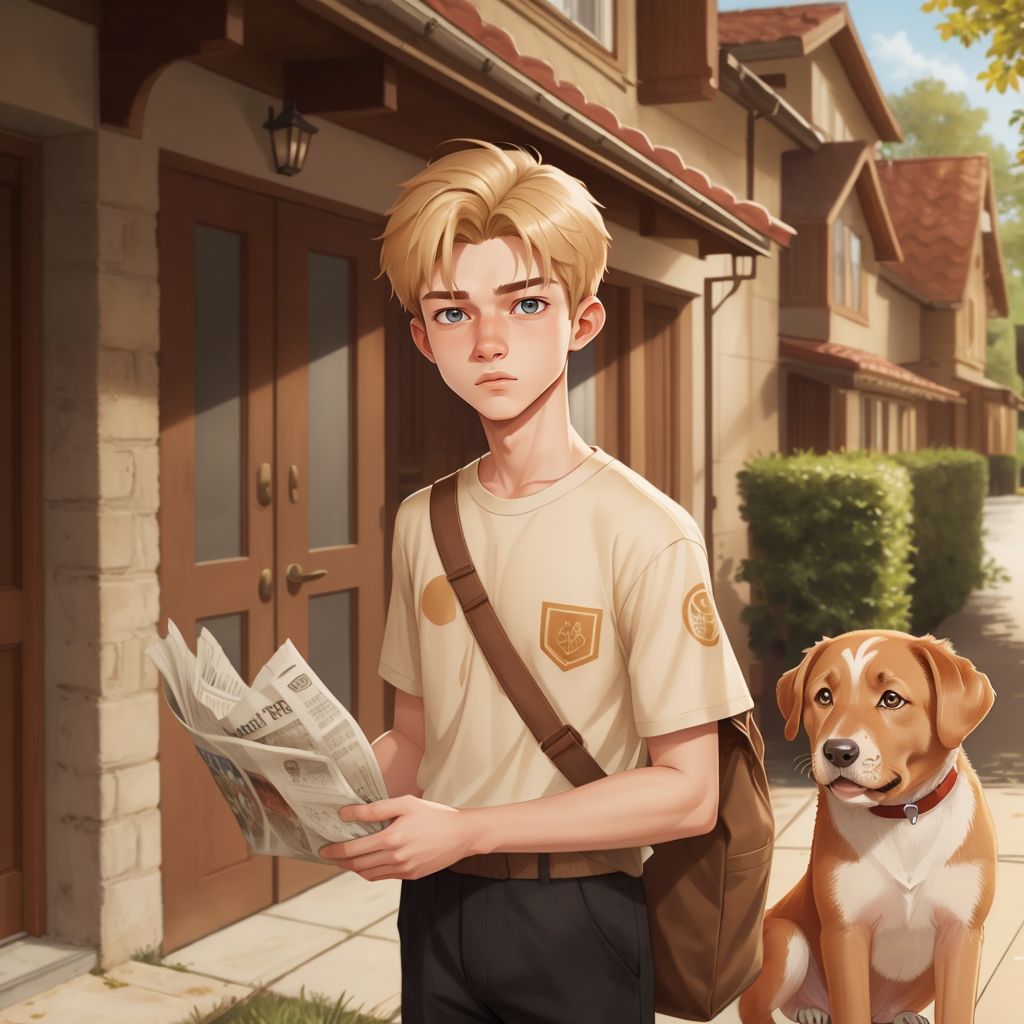
Harvey is a bright young man who has an adorable dog named Sparky. Harvey is a 16 year old boy who has been working as a newspaper delivery boy for 3 months of summer. His boss, Mr. Smith wants to employ Harvey for the rest of the year and tells him about 401k. At first Harvey is skeptical and unhappy that more money will be deducted from his check. Mr. Smith tells him that if you put a portion of your money towards a Roth IRA account his money will grow on accrued interest. Harvey was confused at first and so was sparky. Mr. Smith found a beautiful and easy story that he used as an analogy to explain to Harvey what a Roth IRA account is and how does money grow. His retirement account will be worth a lot of money and Harvey decides to listen to his boss. He decided to put 20 dollars every week. After 4 months he had about 355 dollars, which is 35 dollars more than he contributed. He was so happy that his money grew and was happy with his investment. Sparky was also happy.
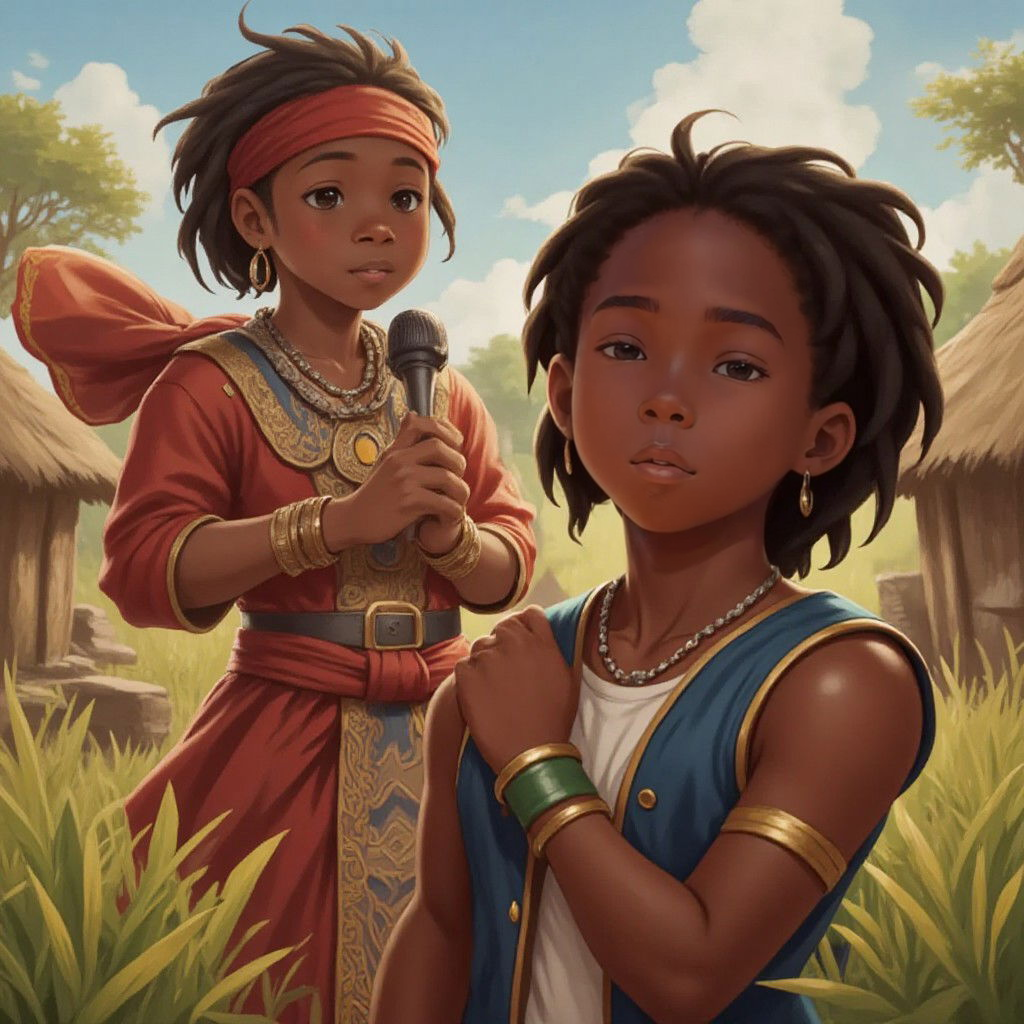
Xango never asked for greatness, but destiny has a way of pulling you into battles you can’t escape. As a young man living in an urban city, Xango discovers that he is the heir to the power of a legendary Yoruba warrior king. With his sister Nubia, who has spiritual powers tied to her piano, and the guidance of his mentor Nuru, Xango must step up to lead his people against the forces of D’Evils—a dark, corrupt group aiming to spread chaos. Along the way, Xango learns about *Iwa-Pele*, the power of balance, and the ancient wisdom of the ancestors. Together with his family and friends, he must embrace his new identity, face dangerous foes, and learn the true meaning of leadership.

Goth boy learns that cleaning his room will help him find his missing Teddy bear.
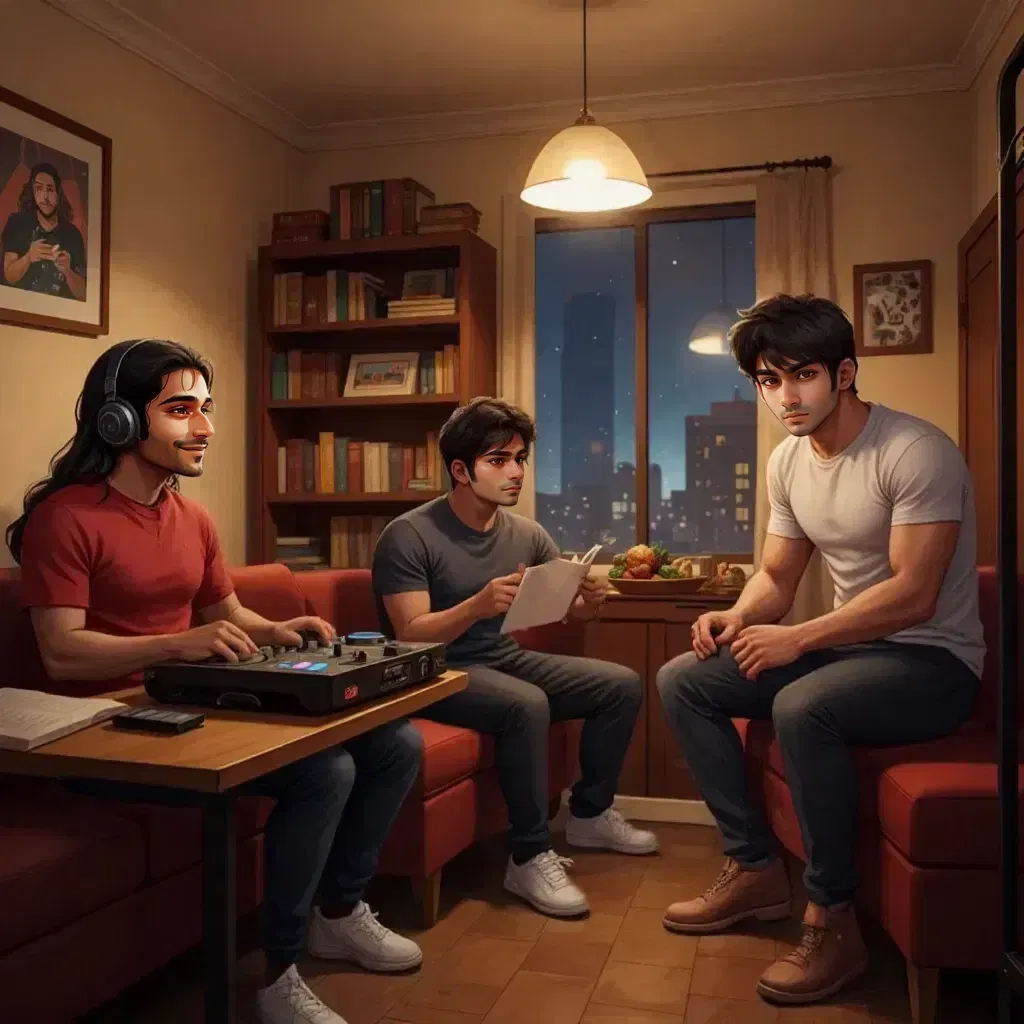
Three brothers called Mick Singh, Dan Singh and Si Singh. Mick Singh is a DJ. Dan Singh, performers on stage. Si Singh goes to the gym regularly.
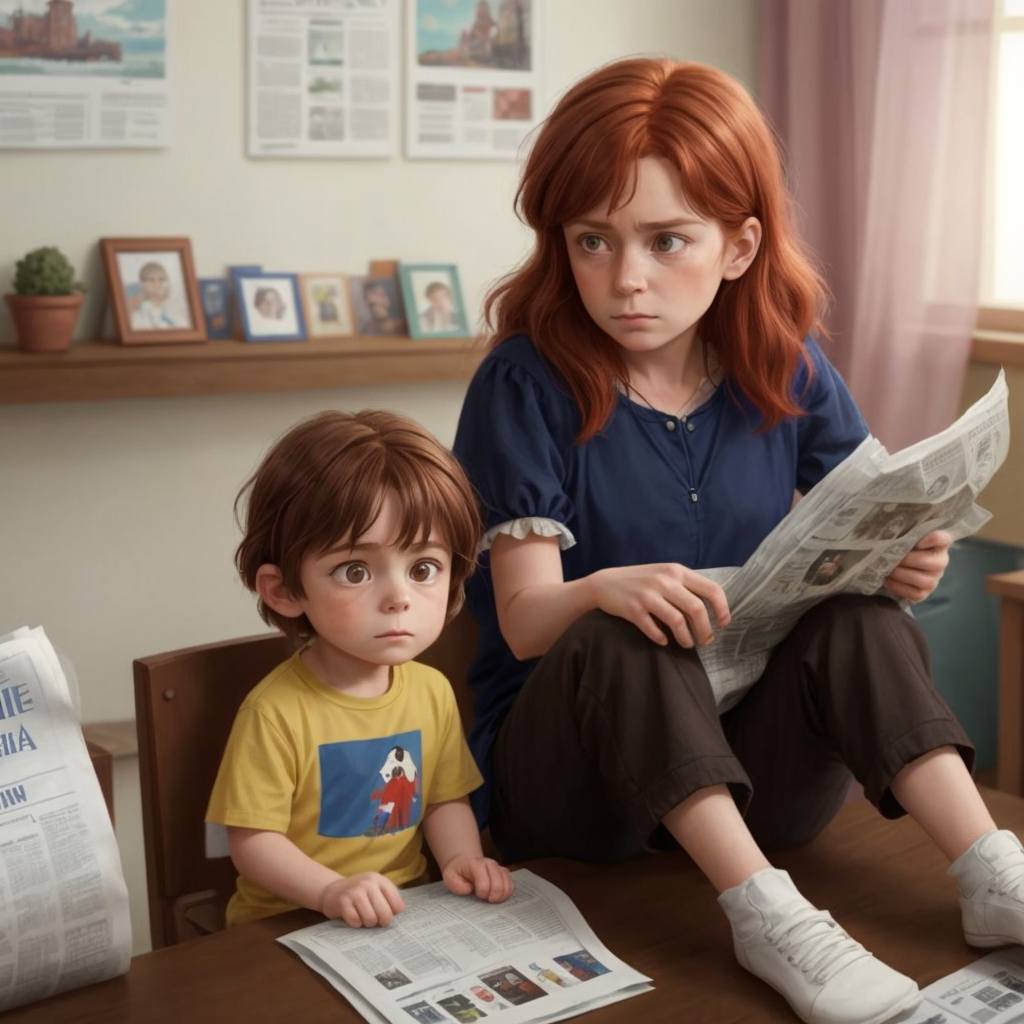
1. They were sad over how long conflict has lasted. 2. They evaluate the two countries, pointing out similarities and differences. 3. The come up with a Peace Treaty. 4. Russia and Ukraine end up working together to love each other.

Celebrate each other's differences and support one another.

In the cosmic kingdom where each star held a unique light, lived a little star named Stella. Her dream was to create the most enchanting luminous trail. During one of her adventures, Stella met a playful comet puppy named Spark. Together, they embarked on a wondrous cosmic journey, overcoming challenges and finding inspiration along the way. Spark taught Stella how to harness her sparkling power. Through their combined efforts and encounters with friendly stars, they crafted a dazzling luminous trail, uniting the entire cosmos in a spectacular celebration of light. On that evening, Stella fulfilled her dream, gifting the entire kingdom a magical stellar beacon in the sky.
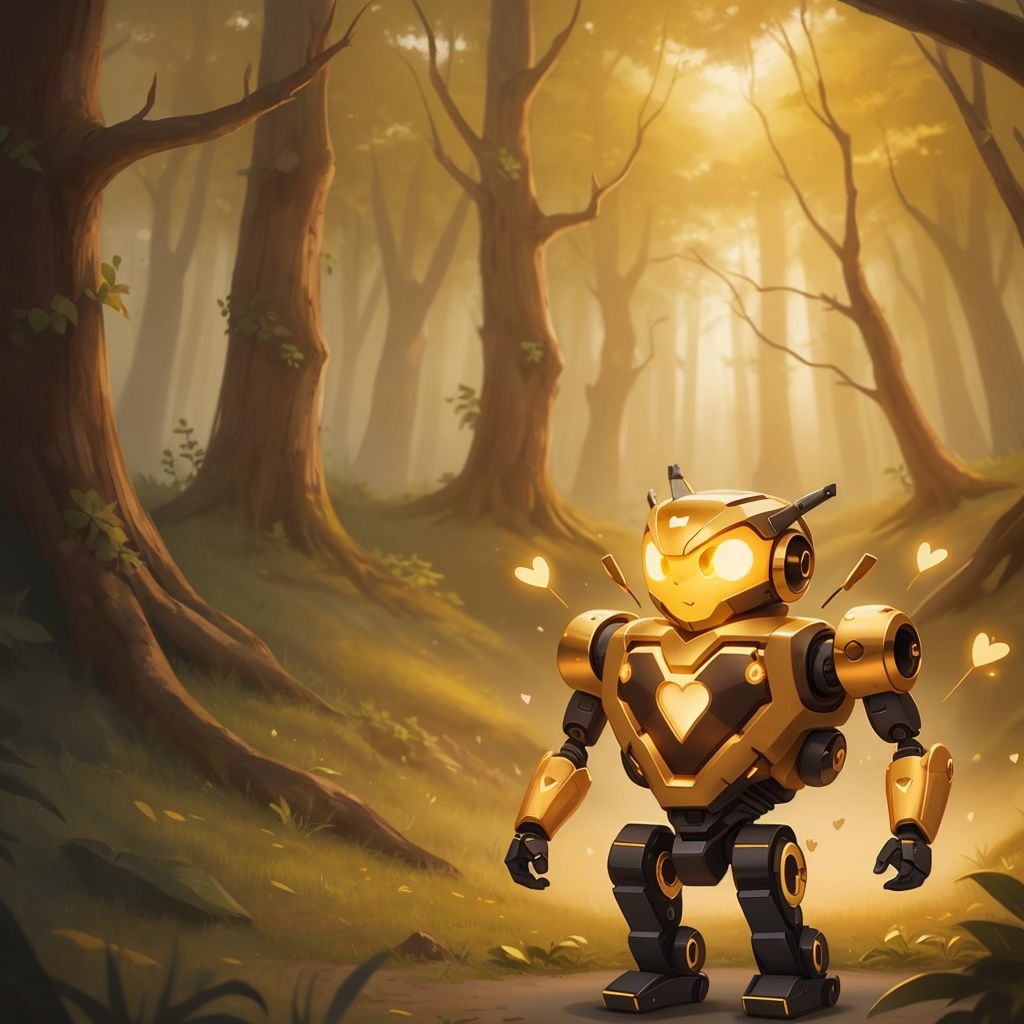
1. Robot Lumen stumbles upon an ancient, magical forest during one of his tasks. 2. The Whispering Trees 3. The trees teach Lumen how to understand their whispers, revealing secrets of the natural world. Friendship with Forest Creatures: Lumen makes friends with various animals and plants, learning about their lives and ecosystems. 4. Lumen faces challenges in the forest, such as storms or threats, and learns to adapt and protect his new friends. 5. Appreciation and Transformation: Lumen develops a deep appreciation for nature, transforming from a mere machine into a guardian of the forest. Lumen decides to share his newfound knowledge and love for nature with other robots and humans.
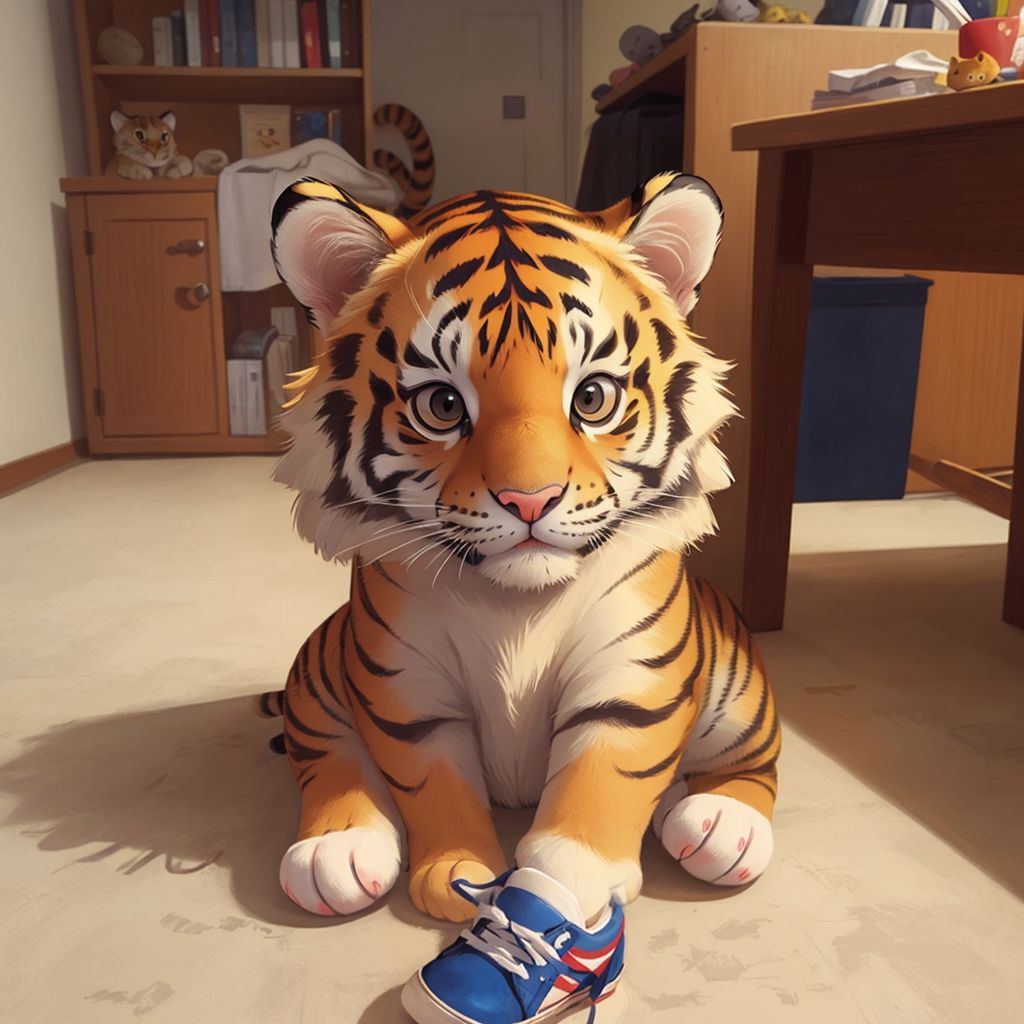
**Title: Resilient Ryan** Ryan is a young rabbit who loves to play and explore, but he’s starting to feel frustrated. He’s facing some tricky challenges, like learning to tie his shoes and playing with friends at daycare. No matter how hard he tries, Ryan struggles and often feels like giving up. He notices other kids at daycare tying their shoes so quickly and running off to play, while he’s stuck fumbling with the laces. Ryan’s mum, a wise and caring rabbit, knows that the best way to help Ryan is to let him tackle these challenges on his own. She doesn’t rush to fix things for him, but instead, gives him space to learn, watching from a distance with a gentle smile. She offers words of encouragement, reminding Ryan that it’s okay to struggle and that each small step makes him stronger. At daycare, Ryan has a hard time joining in when his friends play. He feels shy and nervous, especially when the games don’t go his way. But each day, he tries again. His mum teaches him to breathe deeply when he feels upset and to ask his friends how to play the games. Slowly but surely, Ryan learns how to join in and even starts leading games himself. At home, Ryan practices tying his shoes every morning. It’s frustrating, and sometimes he wants to quit. But with his mum cheering him on, he keeps at it. One day, after many tries, the laces finally stay tied! Ryan beams with pride, knowing that his hard work paid off. By the end of the story, Ryan has learned that resilience isn’t about getting things right the first time—it’s about trying again and again, even when things are tough. His mum continues to support him from a distance, and Ryan now faces challenges with confidence, knowing that he has the strength to succeed. Resilient Ryan is ready for whatever comes next!
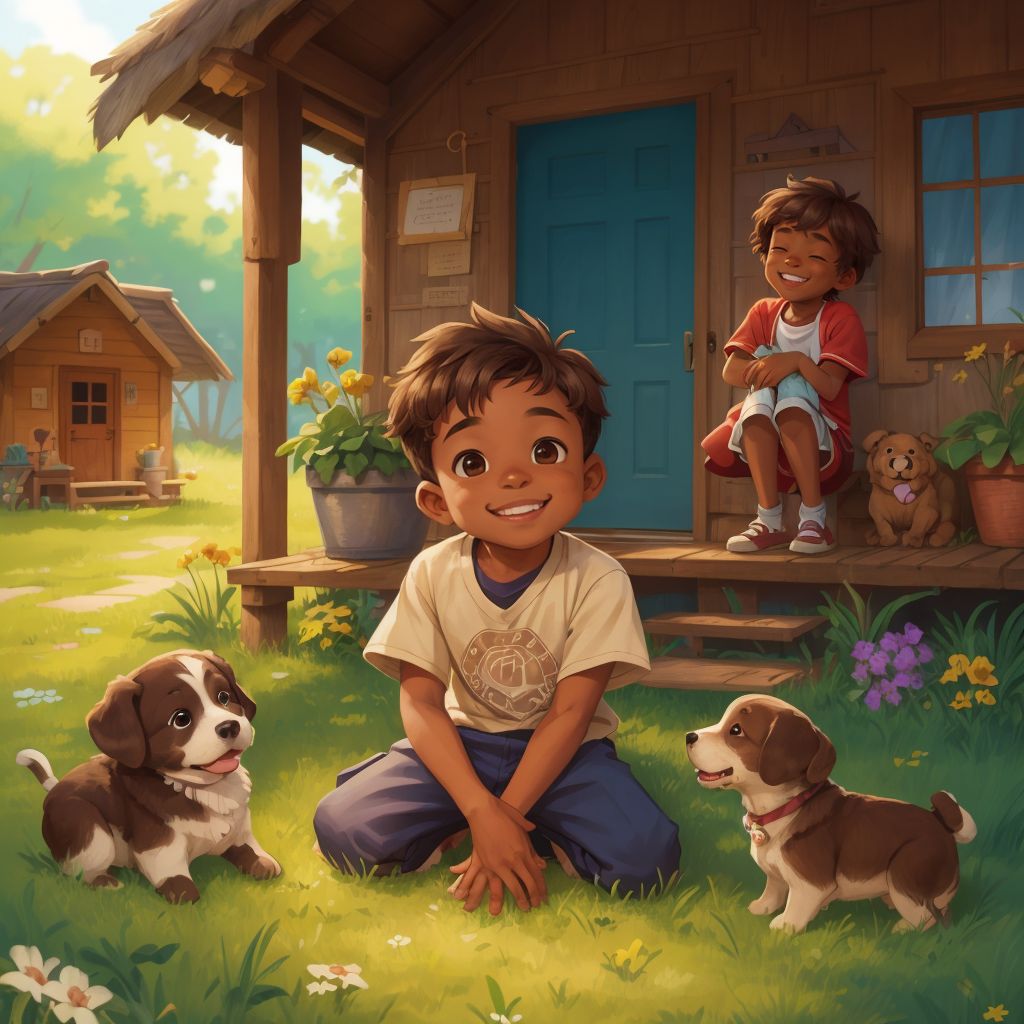
A boy is rescued by his loyal dogs
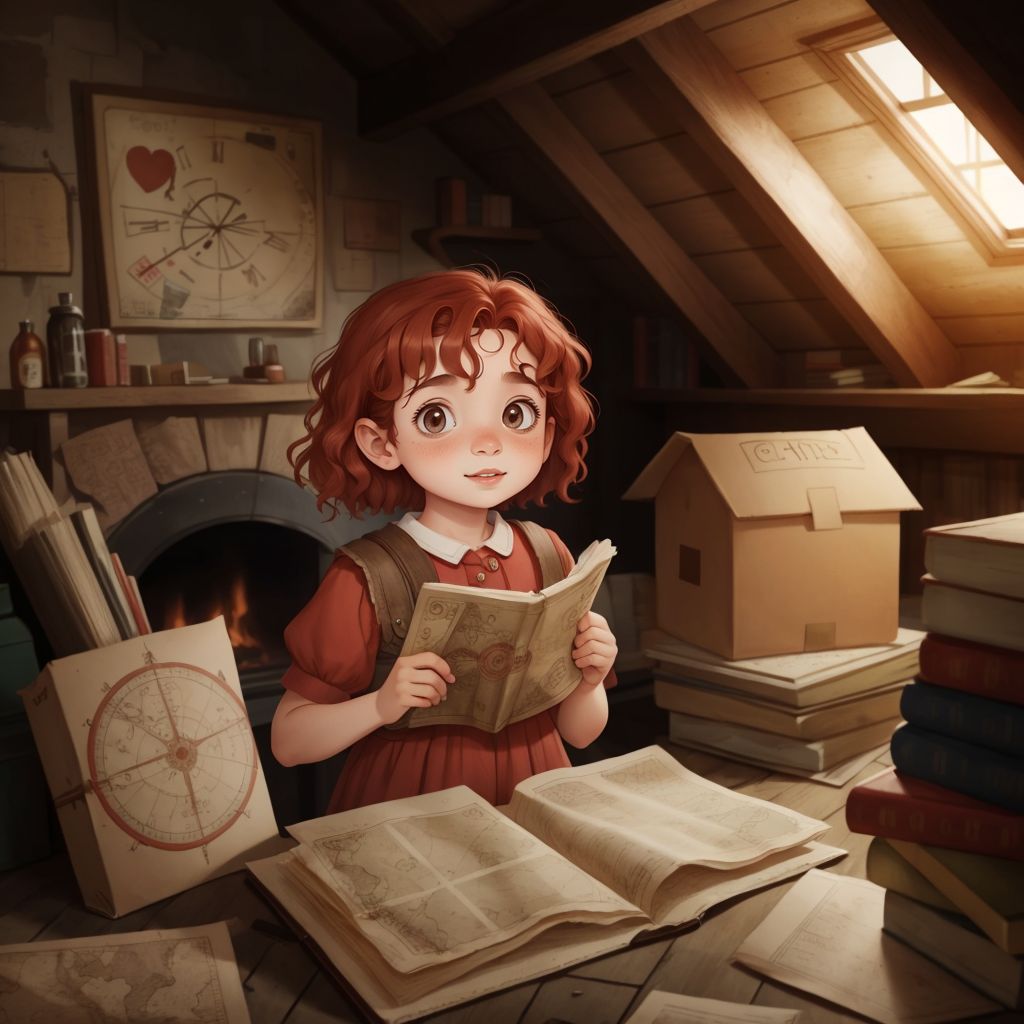
Three friends exploring the Enchanted Forest in search for a waterfall that grants wishes
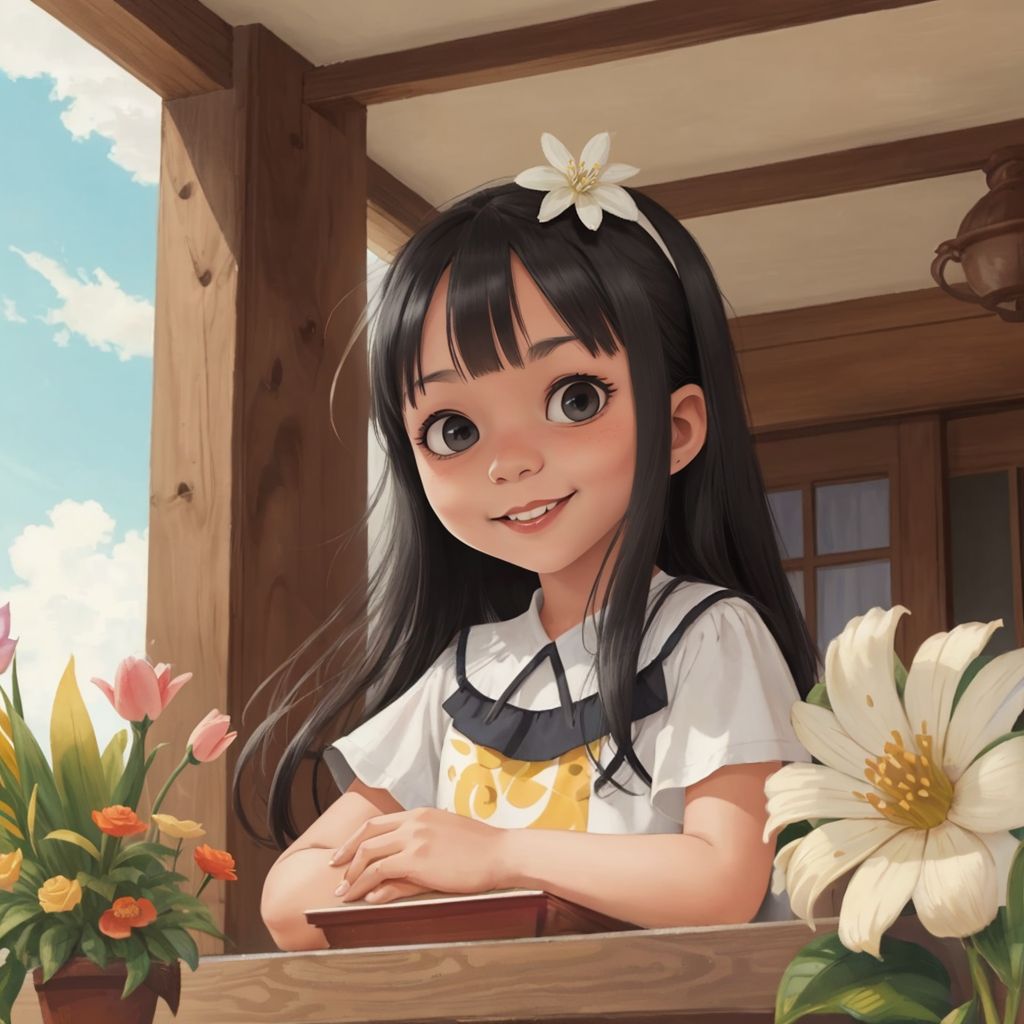
**Page1** Once upon a time, a kind-hearted girl named Amy lived in a cozy little house. One sunny afternoon, she stood on her balcony enjoying the warm breeze. **Page 2** Suddenly… “Meow!” came an unusual sound from below. It was soft but sounded like someone needed help! **Page 3** Amy looked around carefully until—what did she see? A tiny black kitten stuck in some bushes! **Page 4** “Oh no!” cried Amy. She rushed down to save her new friend without thinking twice! **Page 5** With gentle hands and lots of love, she untangled that brave little kitty from those prickly vines. “Don’t worry; I’m here,” whispered Amy softly while freeing it gently one paw at a time! **Page 6 ** Finally freed at last—the fluffy ball of fur wobbled out onto solid ground! “What should I name you?” thought sweetly about this special moment… Then inspiration struck! “I’ll call you Luna!” ** Page7 ** From that day forward, Luna became more than just any pet; she turned into a best friend forever! They played hide-and-seek through rooms chasing strings across floors till giggles filled every corner... *Amy &Luna playing joyfully inside their home.* --- ** Page8 ** Every evening ended cozily cuddling up watching movies or reading books side-by-side. Luna purred contentedly reminding everyone nearby what true friendship felt like—even during tough times ahead too... **Conclusion page9:** Now whenever anyone asked who brought happiness back into life, Amy would smile brightly saying,"It was my little kitten, LUNA!" Together they'd shine brighter than ever before making memories worth cherishing always.
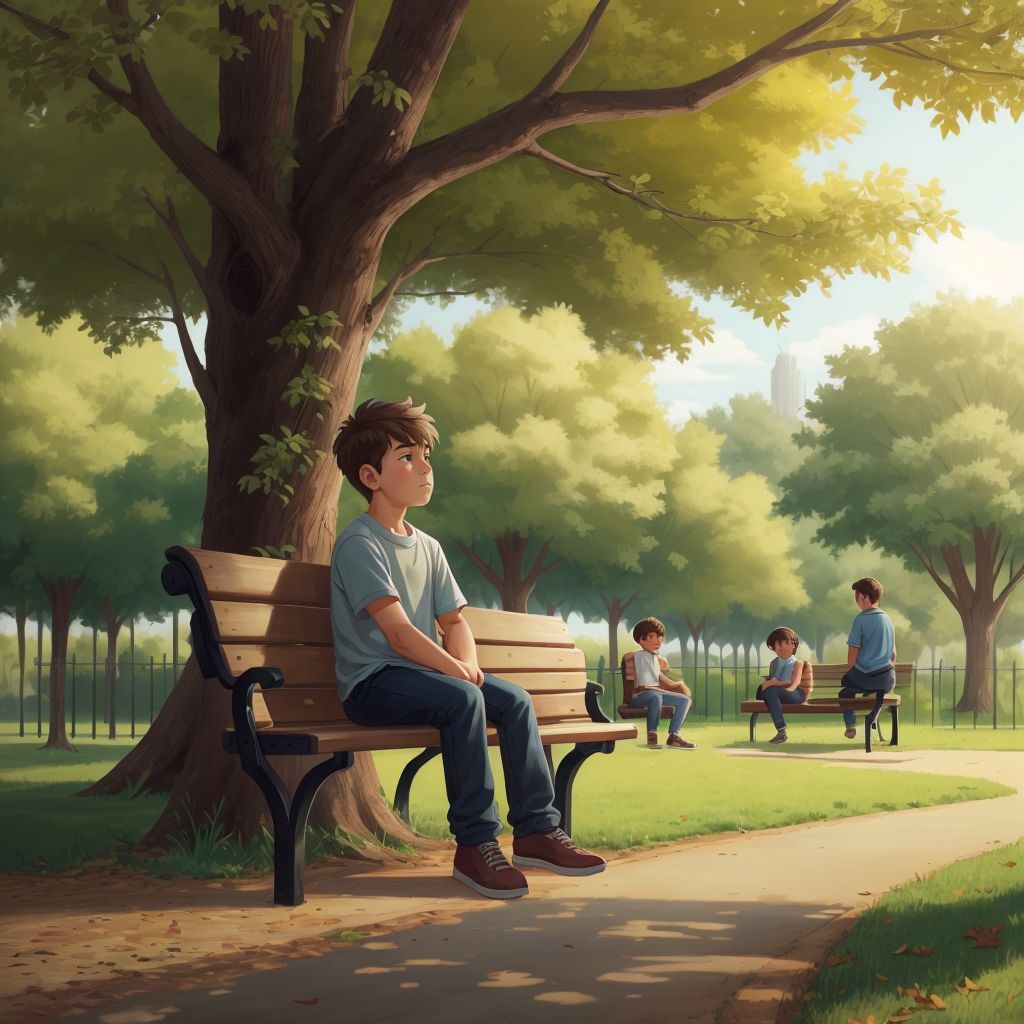
In a quiet neighborhood park, Logan sat alone on a bench, watching the other kids run around and play. He felt a little lonely, wishing he had a friend to share the day with. The leaves rustled in the trees above, and the soft breeze made the swings creak ever so gently. Just then, a girl with curly brown hair and bright eyes walked up to Logan. She had a friendly smile, and her name was Arabella. She introduced herself, her voice cheerful and warm. "Hi! I’m Arabella. Do you want to play?" Logan, surprised but happy, nodded. "Sure, I'm Logan," he said, smiling back. Arabella grabbed his hand and led him to the playground, where they took turns on the swings, raced each other to the jungle gym, and laughed until their sides hurt. As the afternoon sun began to set, Logan realized he had made a new best friend. Arabella had brought out a happiness in him he hadn't felt in a long time. The park wasn’t just a place to sit alone anymore; it became their spot, the beginning of a special friendship
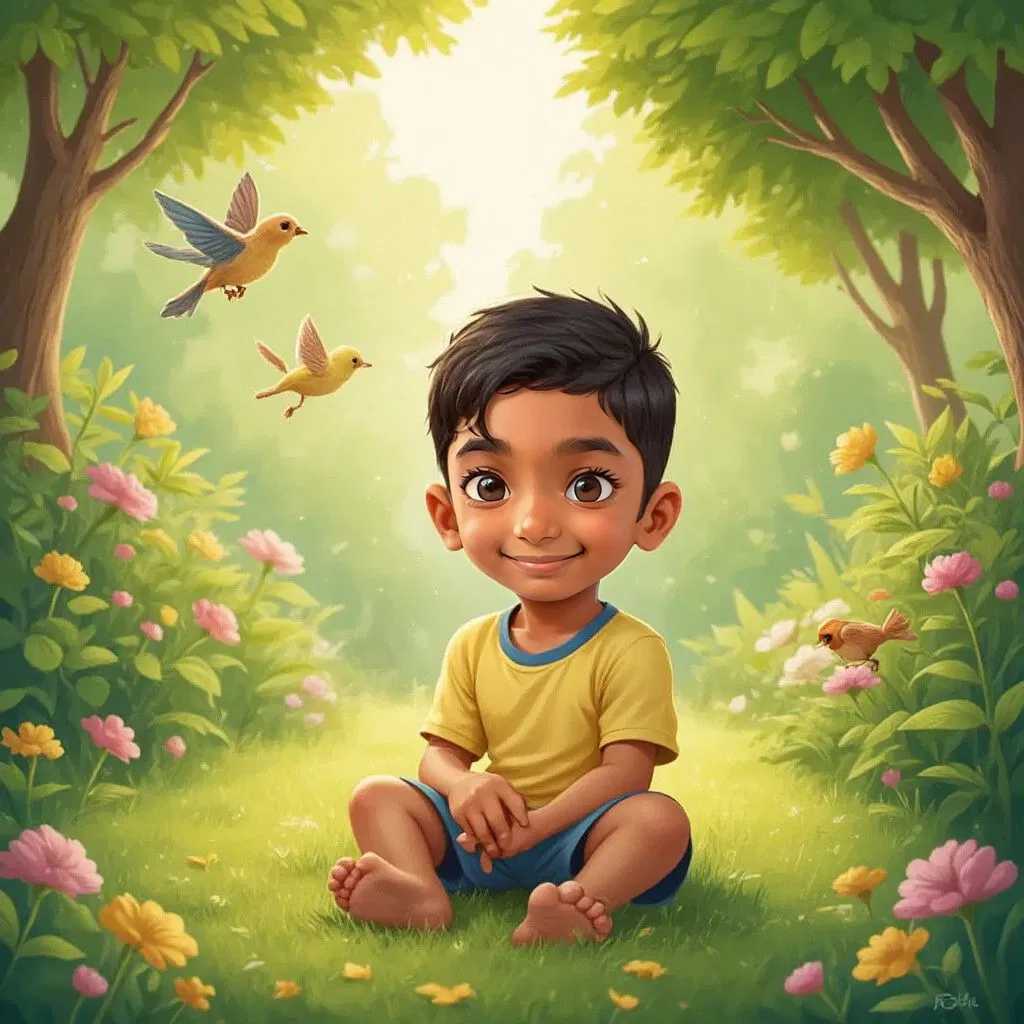
1. A five year old boy curious about life 2. He has a little sister, Aila, 3 years old and little brother, Abel, 1 year old. Abel and Aila are Indian. 3. He has a creative mind and loves to ask questions about life and the world 4. He ask his parents questions 5. As he finds answers to all his questions, his sister and brother begin to ask him the same questions he used to ask him mom and dad.
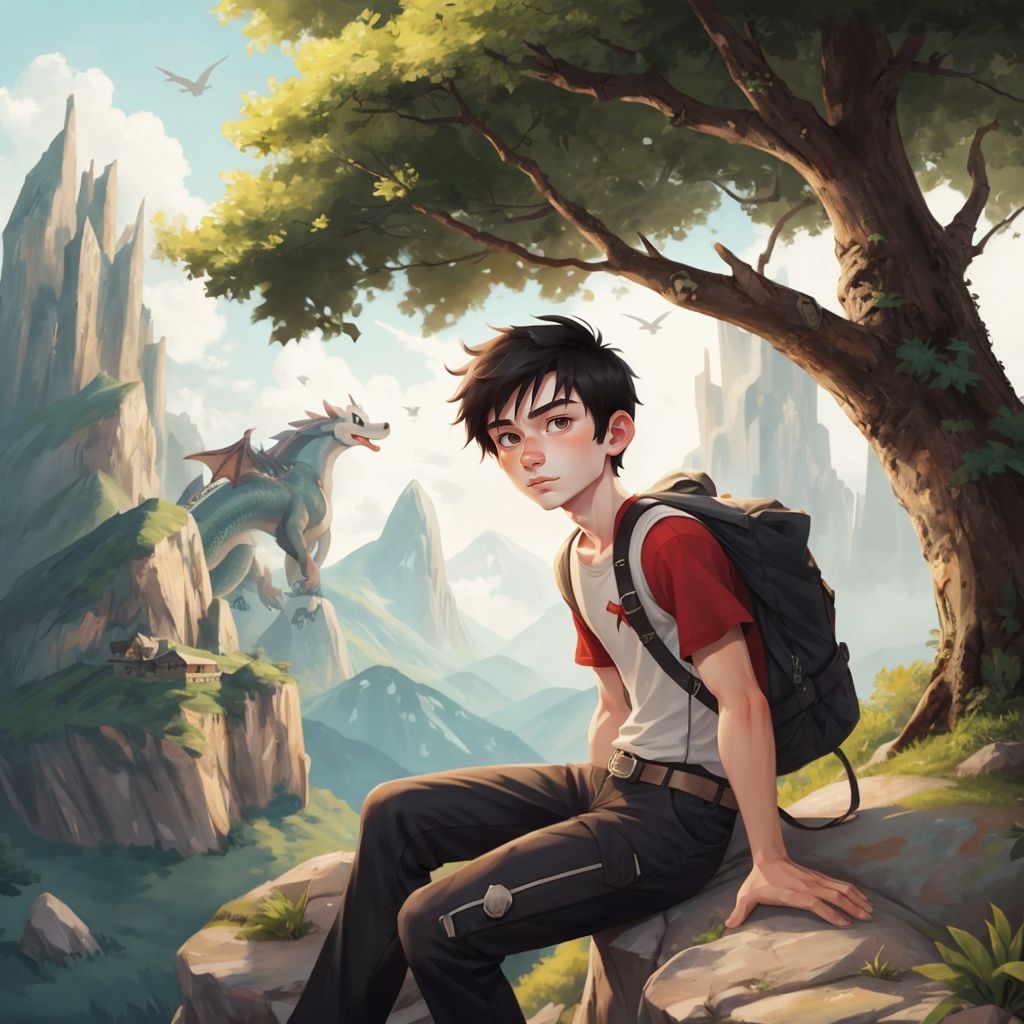
English Translation for Elementary Students Story Outline This story is about a boy named Little Dragon who goes on an adventure in Lung Yeuk Tau. He explores the village, learns about the Tang family's history, and discovers the importance of unity and courage. Page 1 In the village of Lung Yeuk Tau, there is a mountain that looks like a dragon jumping. Little Dragon plays there every day. Page 2 Little Dragon's ancestors came from the Southern Song Dynasty. The village has many old stories and buildings, like the Tin Hau Temple and Tang's Ancestral Hall. Page 3 The village elders tell Little Dragon that pirates once attacked. The villagers used their wisdom to protect their home. Page 4 Little Dragon wants to learn more, so he decides to visit the Tin Hau Temple to ask the gods how to protect the village. Page 5 In the temple, Little Dragon sees many statues. He silently prays to become a brave person. Page 6 When he gets home, Little Dragon invites his friends to celebrate the new baby boys with a lighting ceremony in the village. Page 7 Everyone works together, preparing food, singing, and dancing, filling Lung Yeuk Tau with laughter and a spirit of unity. Page 8 Little Dragon understands that protecting the village requires everyone's effort. He decides to become the little hero of the village. Renamed Character The character will now be named "Little Hero."
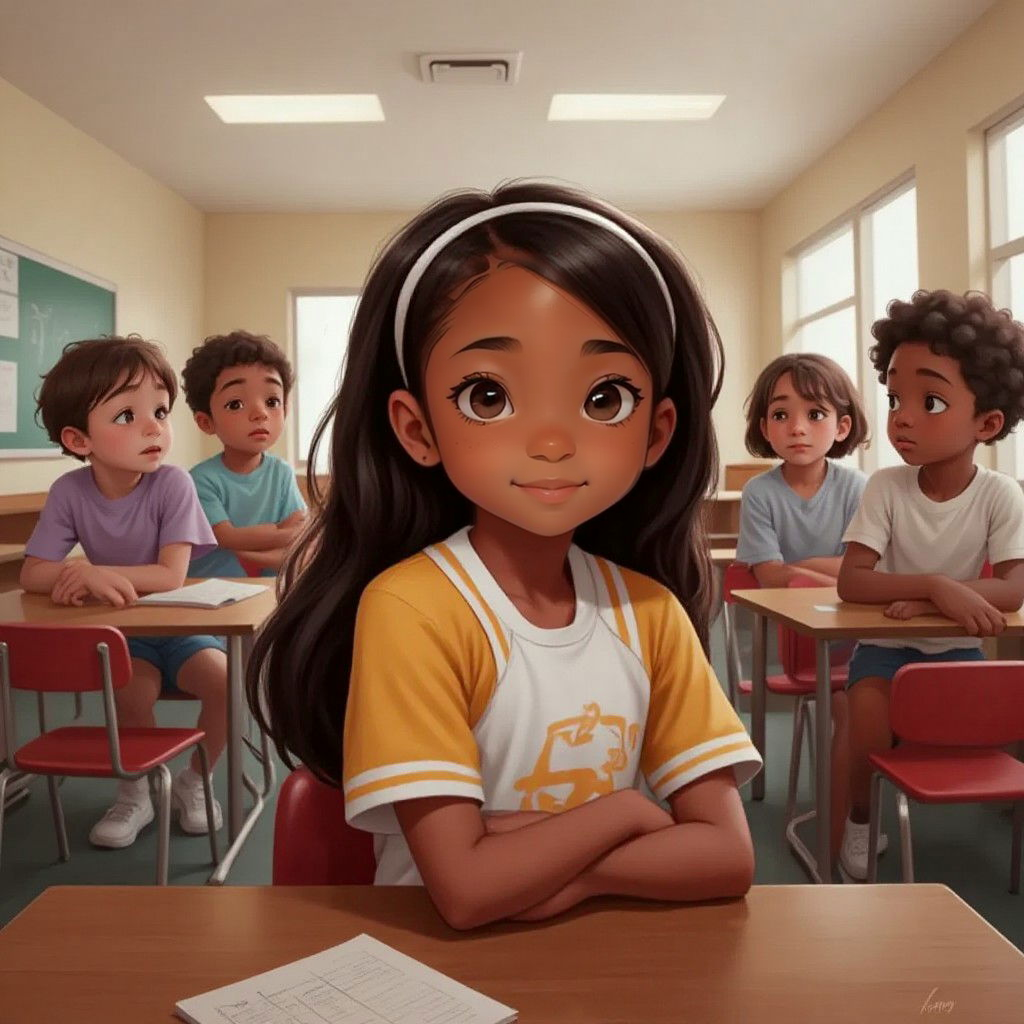
ZOE WAS AT SCHOOL WHEN A NEW GIRL CAME IN ZOES BFFS RAN TO THE NEW GIRL ZOE WENT TO BUT THE NEW GIRL DID NOT WANT TO TAIK TO ZOE
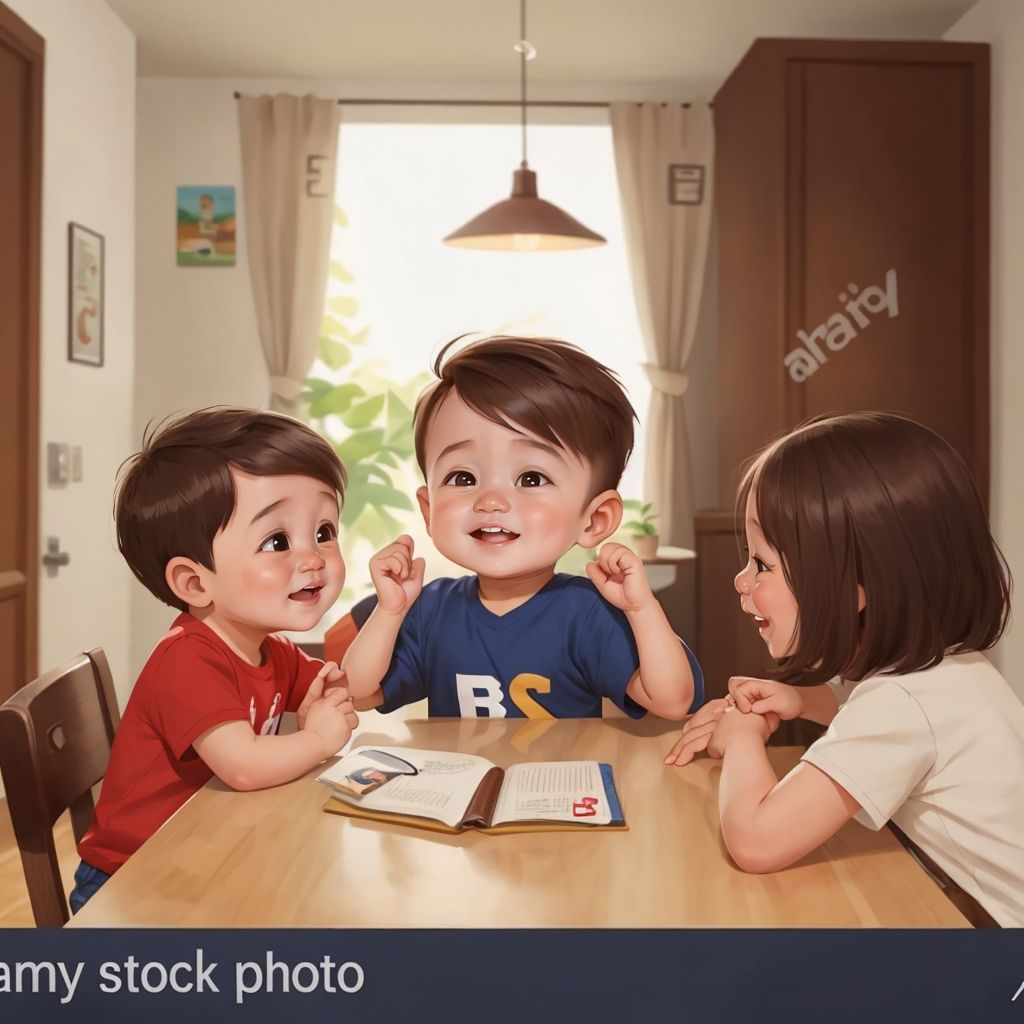
These affirmations are great for inspiring and encouraging children in different aspects of their lives.