
 Start Read
 Recommend
Introduction - A general idea of the importance of etiquette in modern society - The history of etiquette: what traditions and customs formed its basis Basic principles of etiquette - Politeness and respect for others - Rules of communication and interaction with people of various social circles - Etiquette in various situations: at work, at social events, in the family, etc. Etiquette in everyday life - Rules of behavior at the table: eating, communication during meals - Rules of communication in social situations: meetings, goodbyes, phone conversations, etc. - Etiquette in public transport, shops, parks and other public places Etiquette in a business environment - Rules of conduct in the workplace: interaction with colleagues, management, subordinates - Business etiquette: rules of negotiation, business meetings, communication with partners and clients Etiquette in family life - Rules of interaction with family members: spouse, children, parents - Etiquette in ce
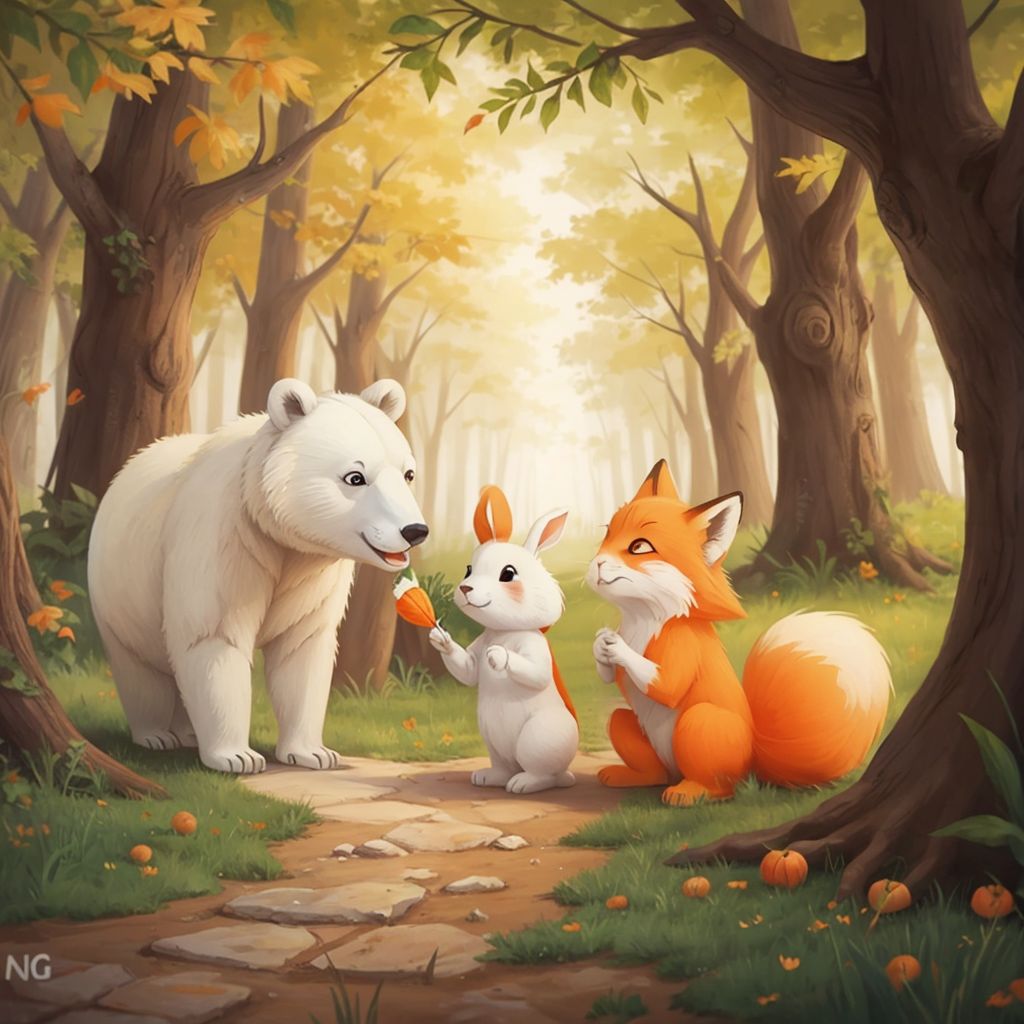
The Little Bear was playing with his Friends in the Forest .He noticed a Big tree branch hanging low and ready to all.The Bear said,"Don't go under that branch!"A moment later,the branch fell,but everyone was safe because they listened to him

hildrens story about a 6 year old boy that loves baseball. Focus on his love of the sport from playing baseball to watching professional baseball games. Include topics of teamwork and overcoming challenges in learning to play. Include supportive parents that help him to overcome challenges and practice to be better. The name of the boy is nico

A 5 year old boy named James was having fun at recess. He was sliding down the slide and hurt himself. A 5 year old boy named trey saw that he was hurt and started to laugh and walked away. Trey looked over to James and pictured himself in James shoes. He thought about being hurt and something not helping him and just laughing. Trey walked over to James and told him what he thought about. James forgave him. Then they both slid down the slide and were friends!
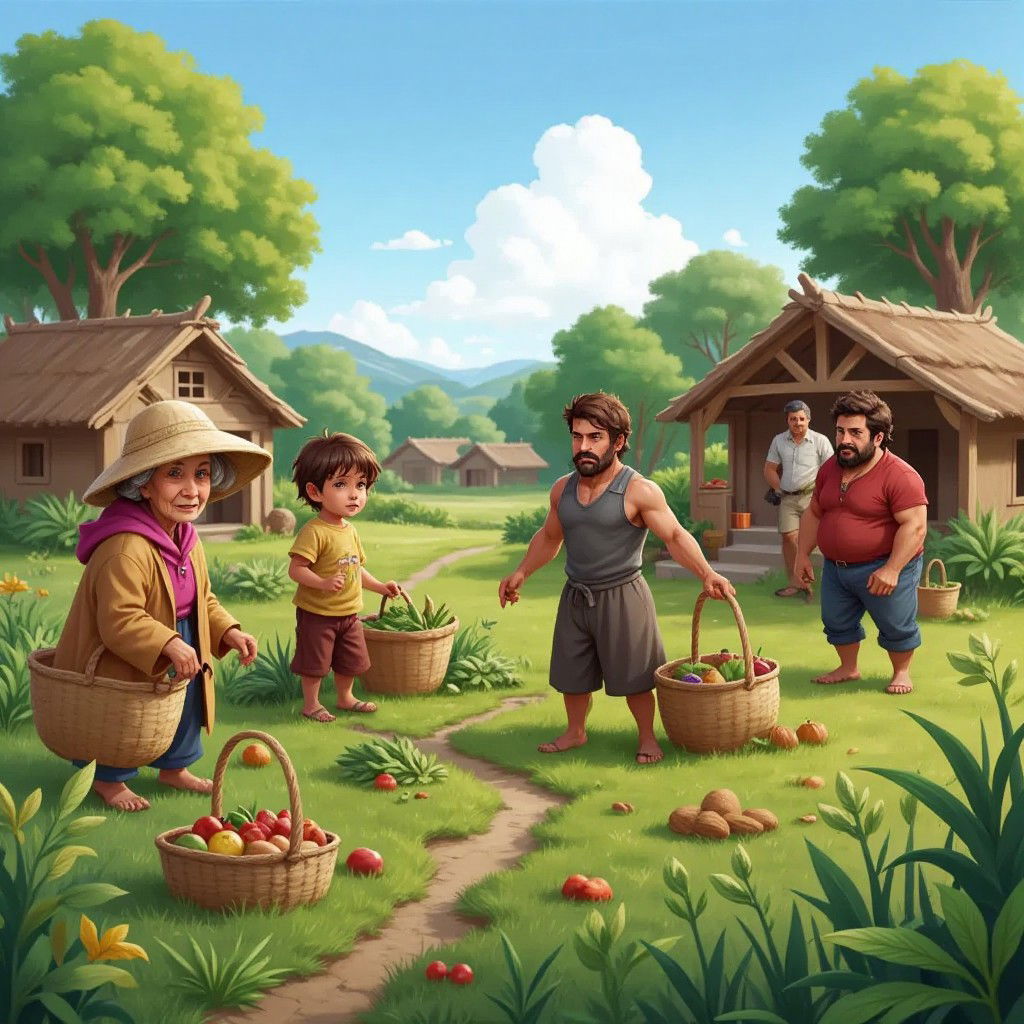
Há muito, muito tempo, antes de existirem escolas, livros e até mesmo cadernos, as pessoas viviam em aldeias e trabalhavam juntas para conseguir comida, construir casas e preparar festas. Mas havia um grande problema… os números ainda não existiam! Certo dia, a aldeia estava se preparando para uma grande festa. Eles precisavam dividir os alimentos entre as famílias, separar os bancos para as pessoas sentarem e organizar as frutas para a sobremesa. Mas como fazer isso sem contar? O chefe da aldeia olhou para todos e disse: — Precisamos de ajuda! Como podemos garantir que cada família receba a mesma quantidade de pão e peixe? Como podemos saber se todos terão um lugar para sentar? Os moradores começaram a tentar resolver a situação: Alguns tentaram comparar os alimentos colocando um monte ao lado do outro. Outros tentaram distribuir usando as mãos, mas sem saber se estavam dando mais ou menos para cada um. Alguns começaram a usar pedras para representar o que estavam distribuindo. Mesmo assim, tudo parecia confuso. Como eles poderiam se organizar melhor? Desafio para a turma: Agora, seus alunos fazem parte da aldeia! Em grupos, eles precisam pensar em soluções para os problemas sem usar números. Dê a cada grupo um desafio, como: Como dividir os peixes entre as famílias de forma justa? Como garantir que cada pessoa tenha um lugar para sentar na festa? Como lembrar quantos dias faltam para a festa sem um calendário? Depois, cada grupo compartilha sua solução. No final, você pode conduzir a reflexão: Como a invenção dos números ajudou as pessoas a resolver esses problemas?
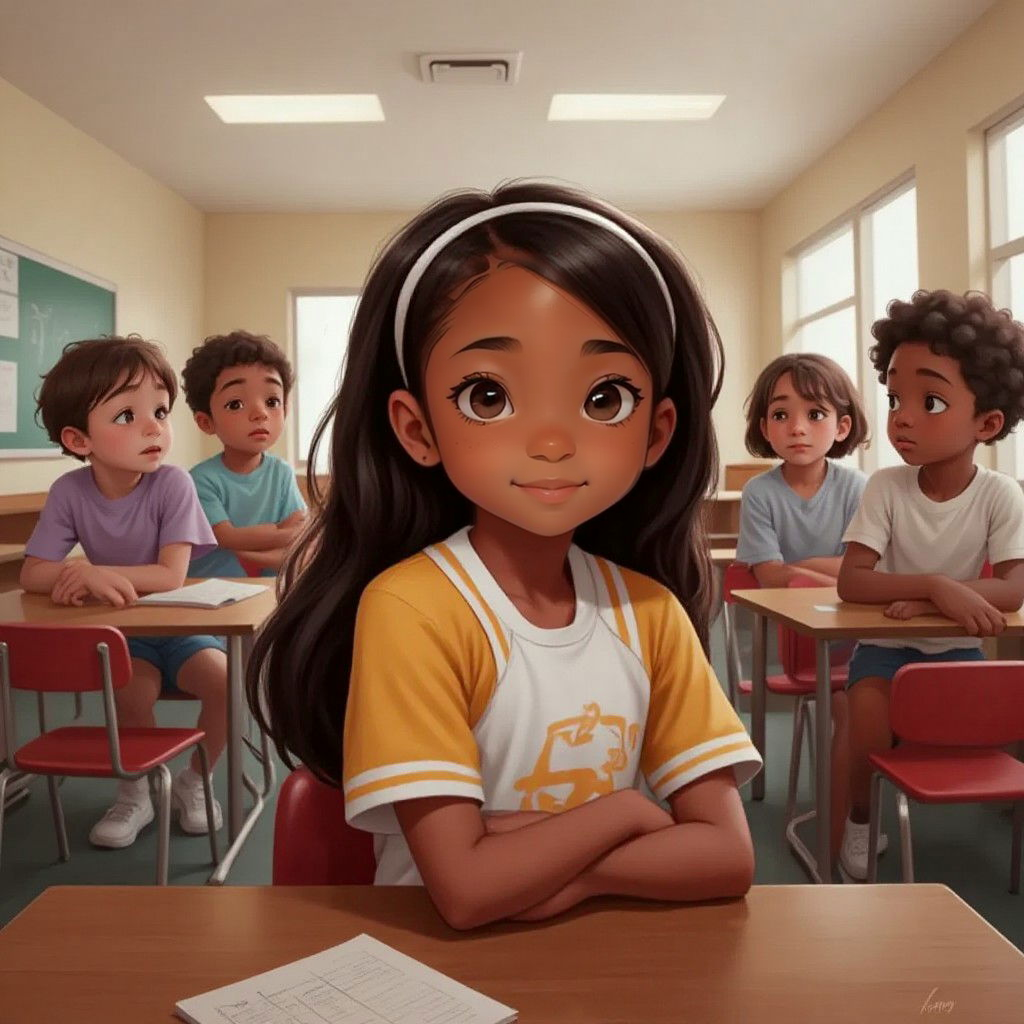
ZOE WAS AT SCHOOL WHEN A NEW GIRL CAME IN ZOES BFFS RAN TO THE NEW GIRL ZOE WENT TO BUT THE NEW GIRL DID NOT WANT TO TAIK TO ZOE
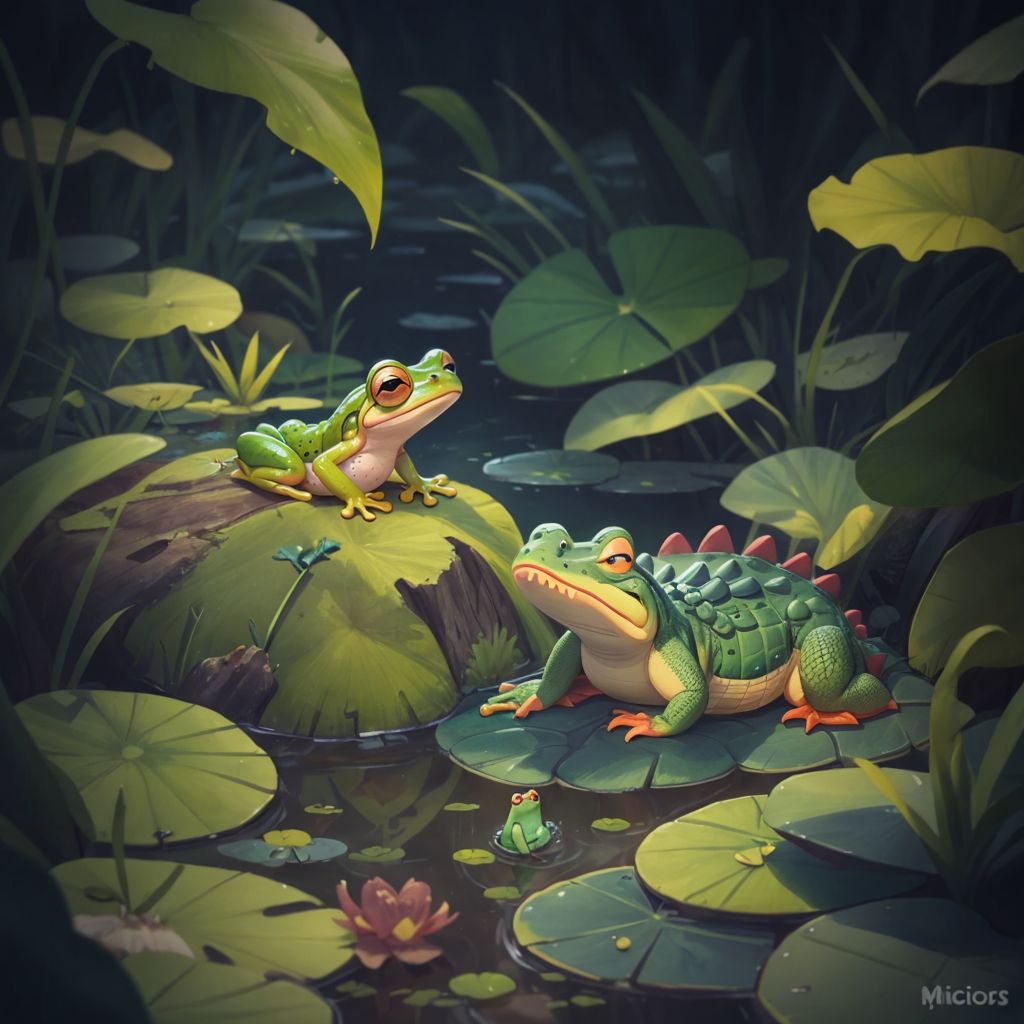
Young frog tries to be an alligator but learns he is best as himself
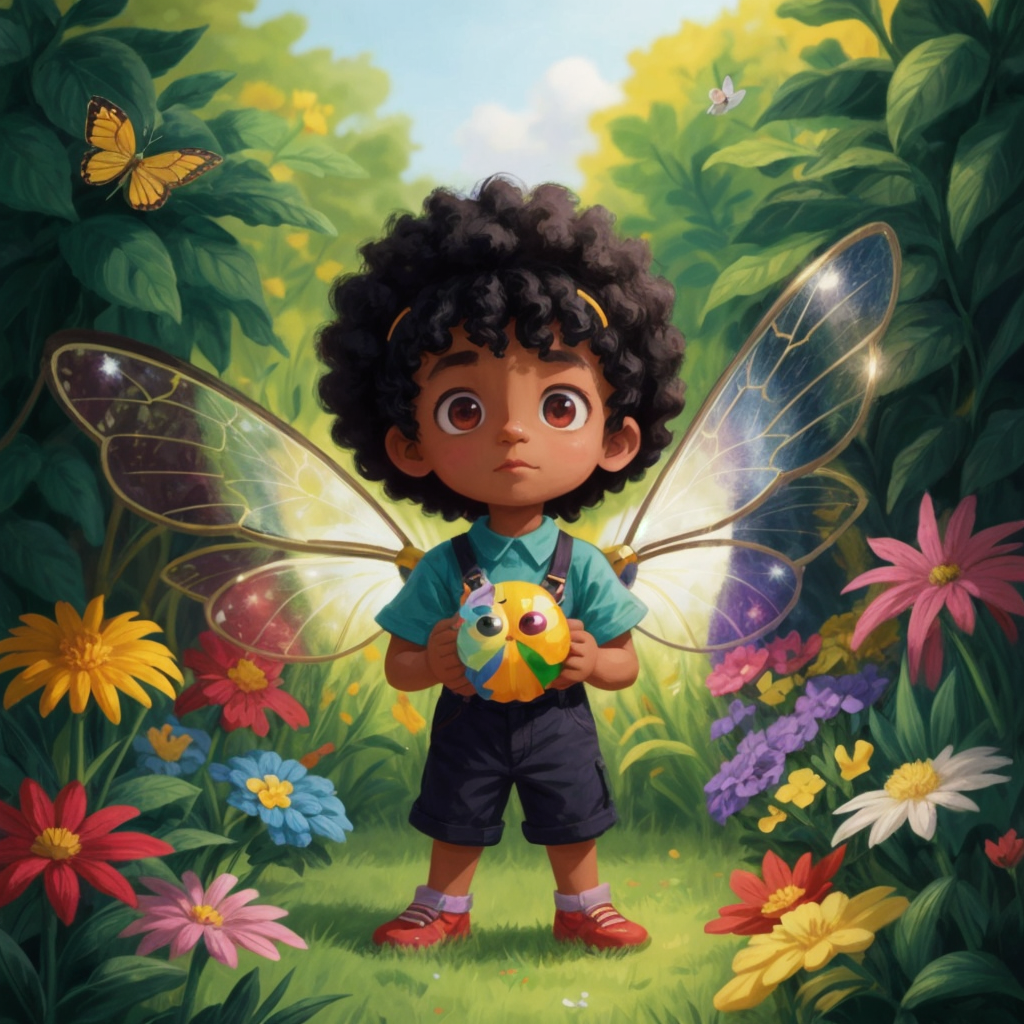
A black boy who keeps bringing pets home. Starting off small with a bug and ending up with a dragon and an elephant. Every time he ask his mom if he can keep it.

A toddler becomes a big brother
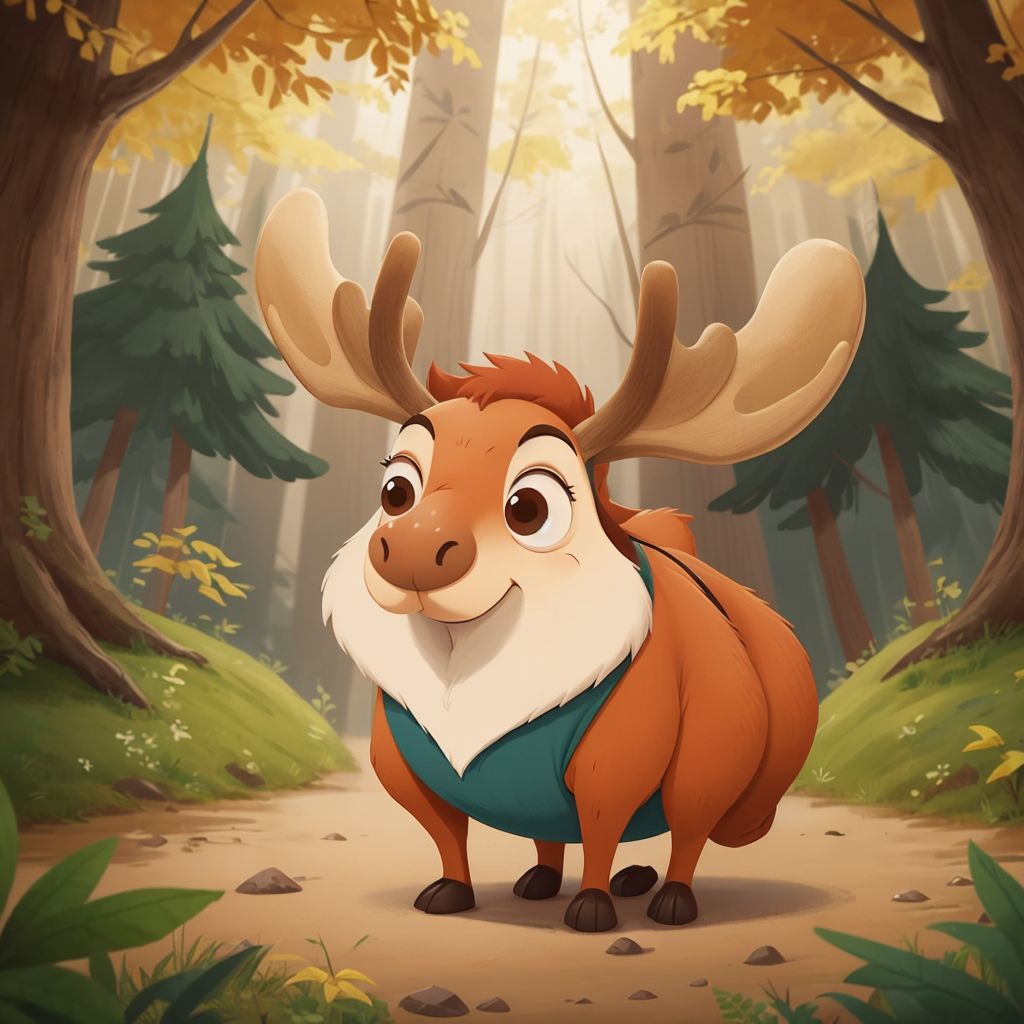
very year, the animals of the Great Forest come together for the Forest Games, a fun-filled day of friendly competitions—racing, jumping, climbing, and balancing events that celebrate each animal’s unique abilities. Milo the Moose has always loved watching the games, but this year, he wants to participate. There’s just one problem: Milo can’t run or jump like the others. His legs aren’t as strong, and he moves more slowly than his friends. Some animals worry that the games might be too difficult for him, but Milo is determined to find a way to compete in his own way. With the help of his inventive raccoon friend, Hazel, Milo modifies his walking cart with new wheels and a gentle push mechanism, allowing him to move more easily. As the games begin, Milo discovers that while he may not be the fastest, he has other strengths—he’s great at balancing, solving tricky obstacles, and encouraging others when they feel discouraged. During the final event, a team relay, one of the fastest competitors, Benny the Rabbit, trips and twists his ankle. The whole team is at risk of losing—until Milo steps in. Using his cart, he carries Benny across the finish line, proving that winning isn’t about being the fastest or the strongest—it’s about teamwork, kindness, and determination. At the end of the games, the animals cheer for Milo, not because he won the most events, but because he showed everyone that true strength comes from never giving up. Inspired by him, the animals decide that next year’s Forest Games will include new events that celebrate different kinds of abilities, ensuring that everyone has a chance to shine.
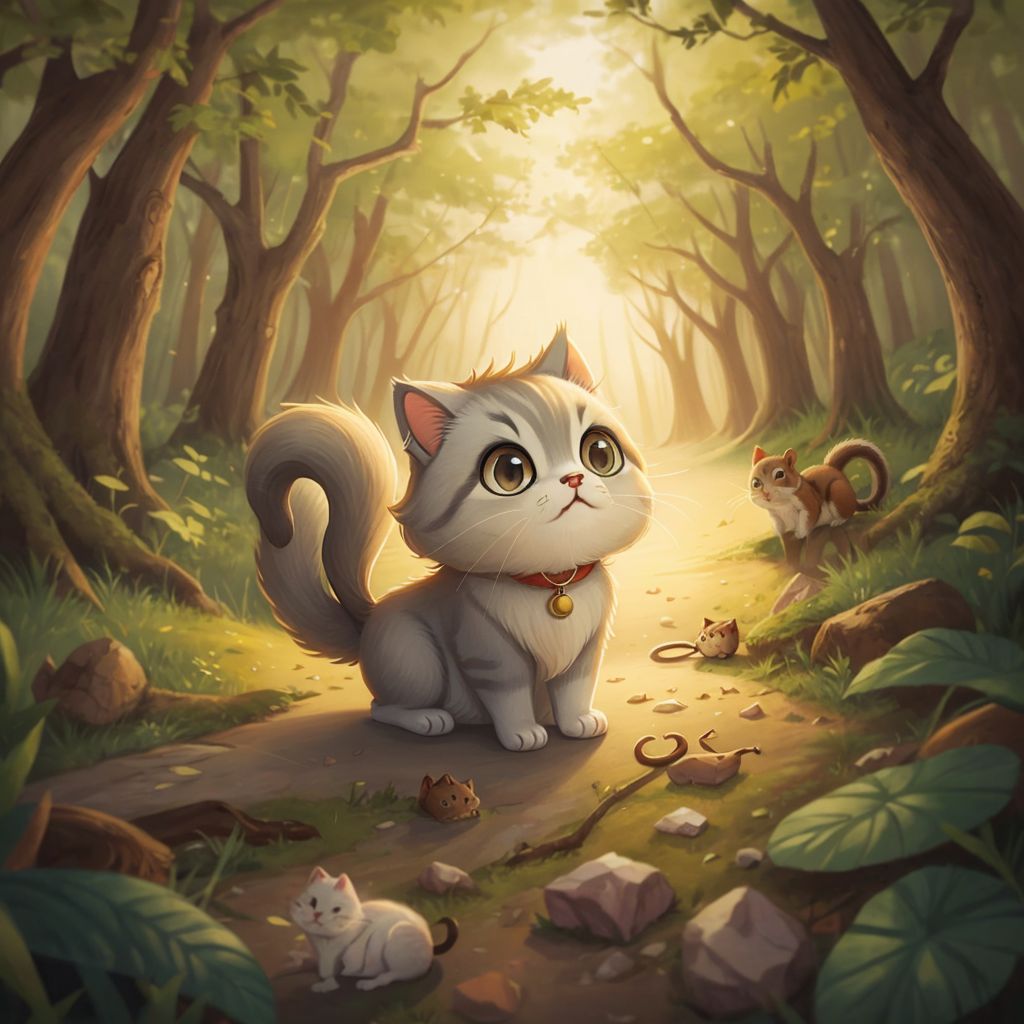
The story teaches that when we face our fears and help others, we grow stronger and discover new possibilities
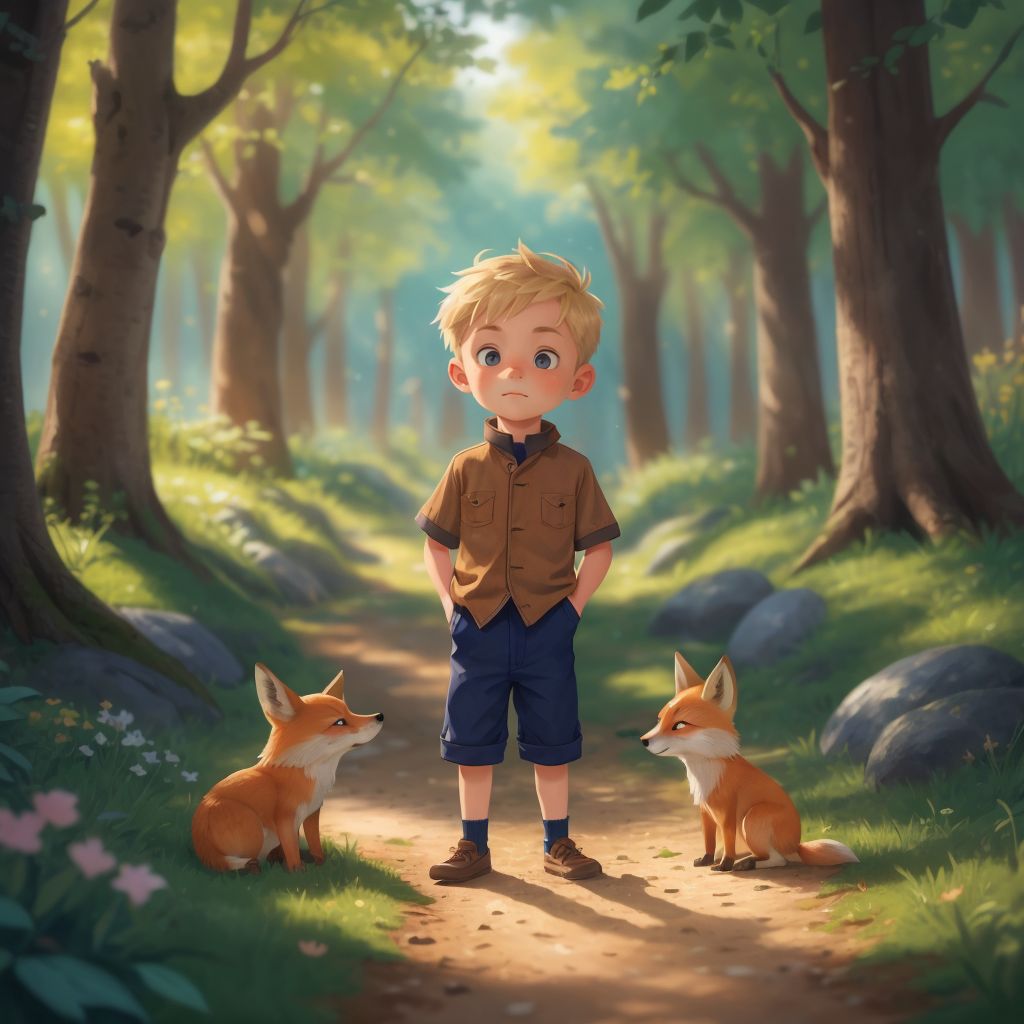
This is a story about a young boy who, with the help of his fox friend, learns to cope with loss.
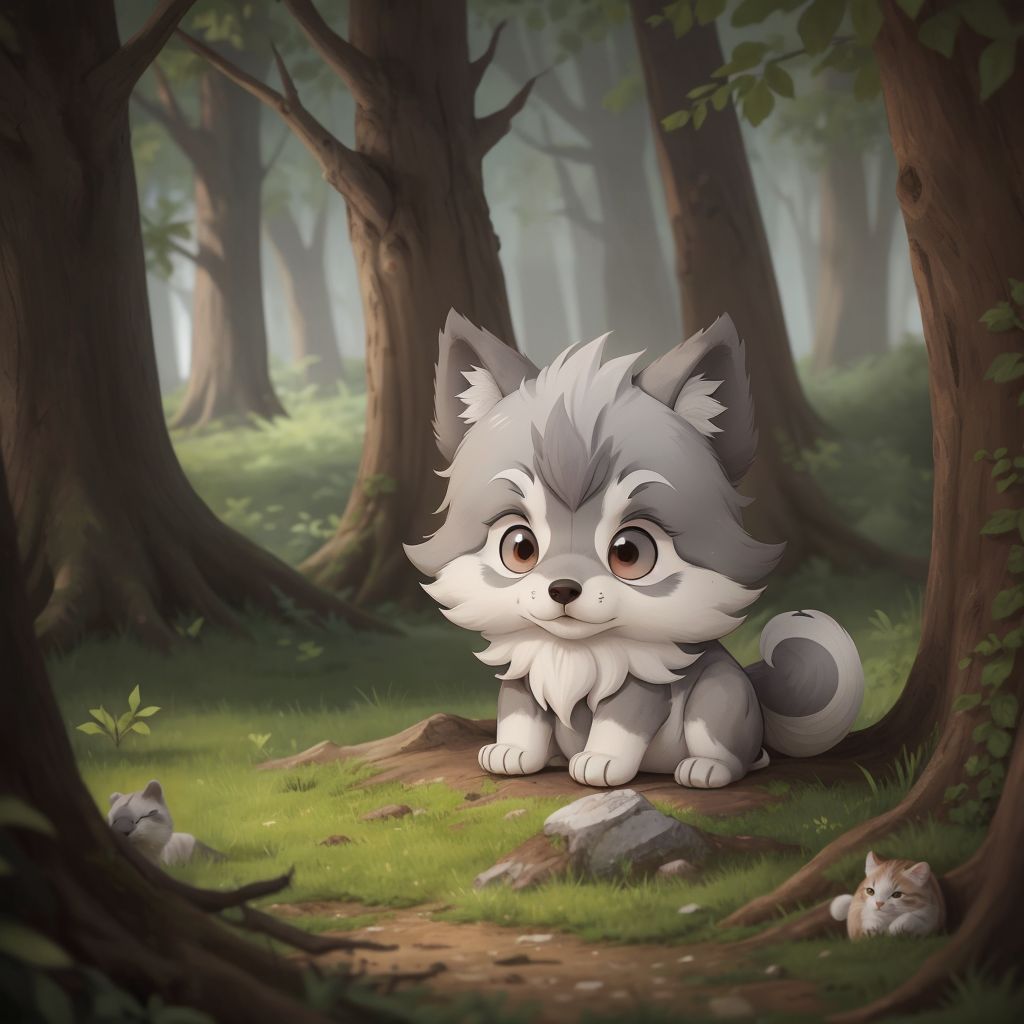
"The Little Awkward Wolf" is a heartwarming children's tale about Gray, a clumsy and unusual-looking wolf pup who is initially feared and avoided by other forest animals. Despite his loneliness, Gray's kindness shines through when he selflessly helps a trapped fox. This act of bravery begins to change how others perceive him. As Gray grows, he continues to help and guide various forest creatures, earning their trust and respect. Eventually, his wisdom and compassion lead him to become the leader of his wolf pack. The story teaches valuable lessons about not judging by appearances, the power of kindness, and how true leadership comes from within.
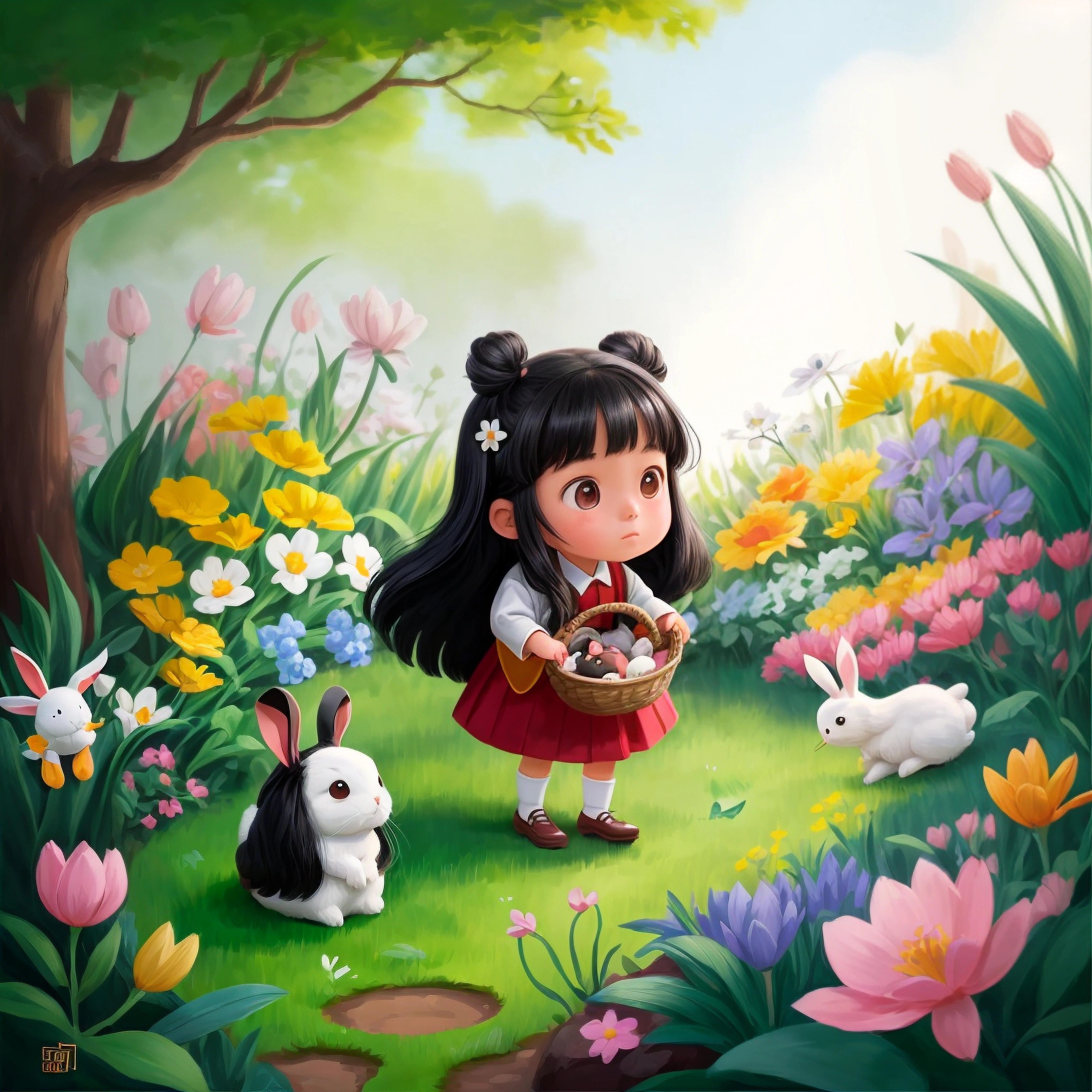
乔乔和小白兔的故事
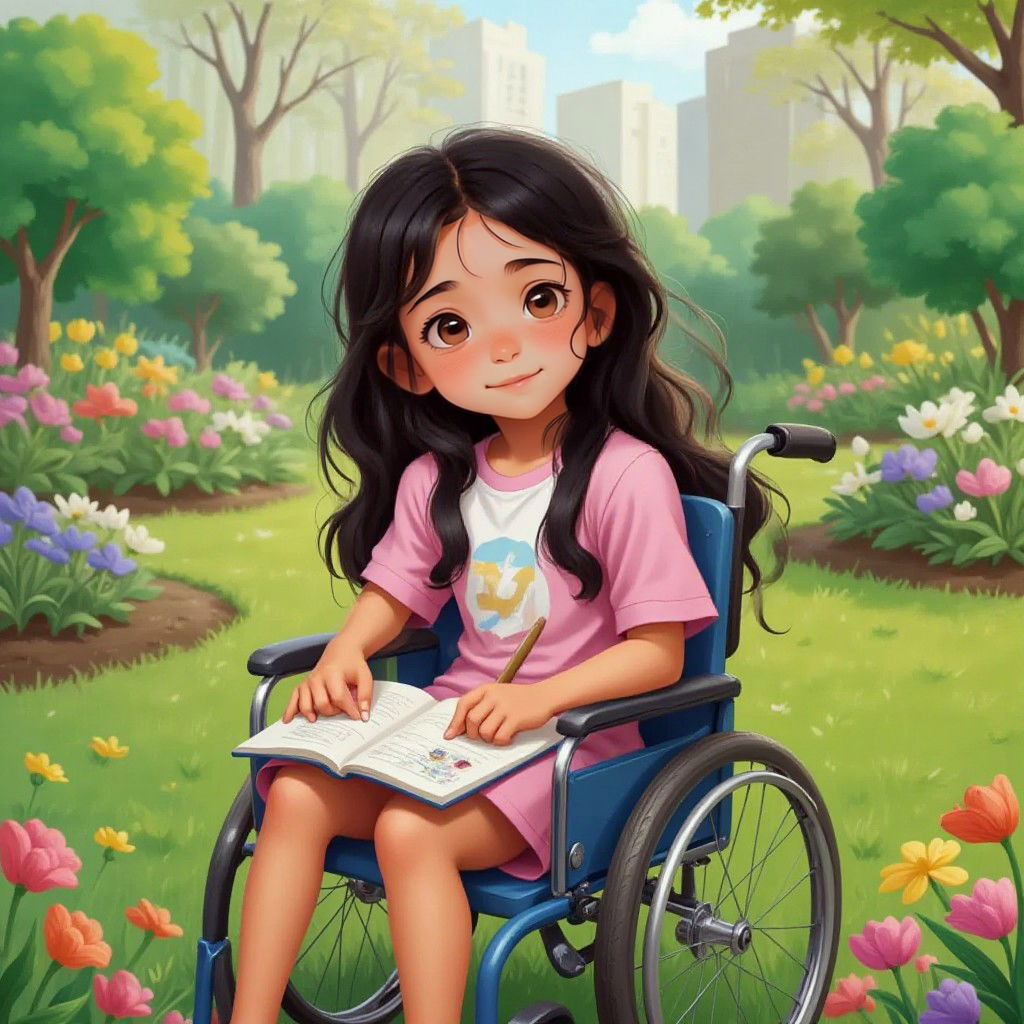
Ruby has Nemaline Myopathy She loved drawing, telling stories, and exploring her garden full of colorful flowers One day at school, her teacher, Mr. Barnes, explained to the class that everyone has different strengths and challenges. “Ruby might need extra time to do certain tasks, but she has one of the sharpest minds I’ve ever seen!” he said proudly. Ruby’s friends loved her creativity and kindness. When she couldn’t run in gym class, they worked together to invent a game that everyone could play. “We’ll call it The Super Sitter Olympics!” her best friend Mia declared, and they all cheered. One day, Ruby decided she wanted to help others with Nemaline Myopathy. “I’ll write a book about my adventures!” she said. Her family smiled and encouraged her.

Granny Bubblz and the Baby Ninjas Defeat the Raccoon-Faced Rabbits
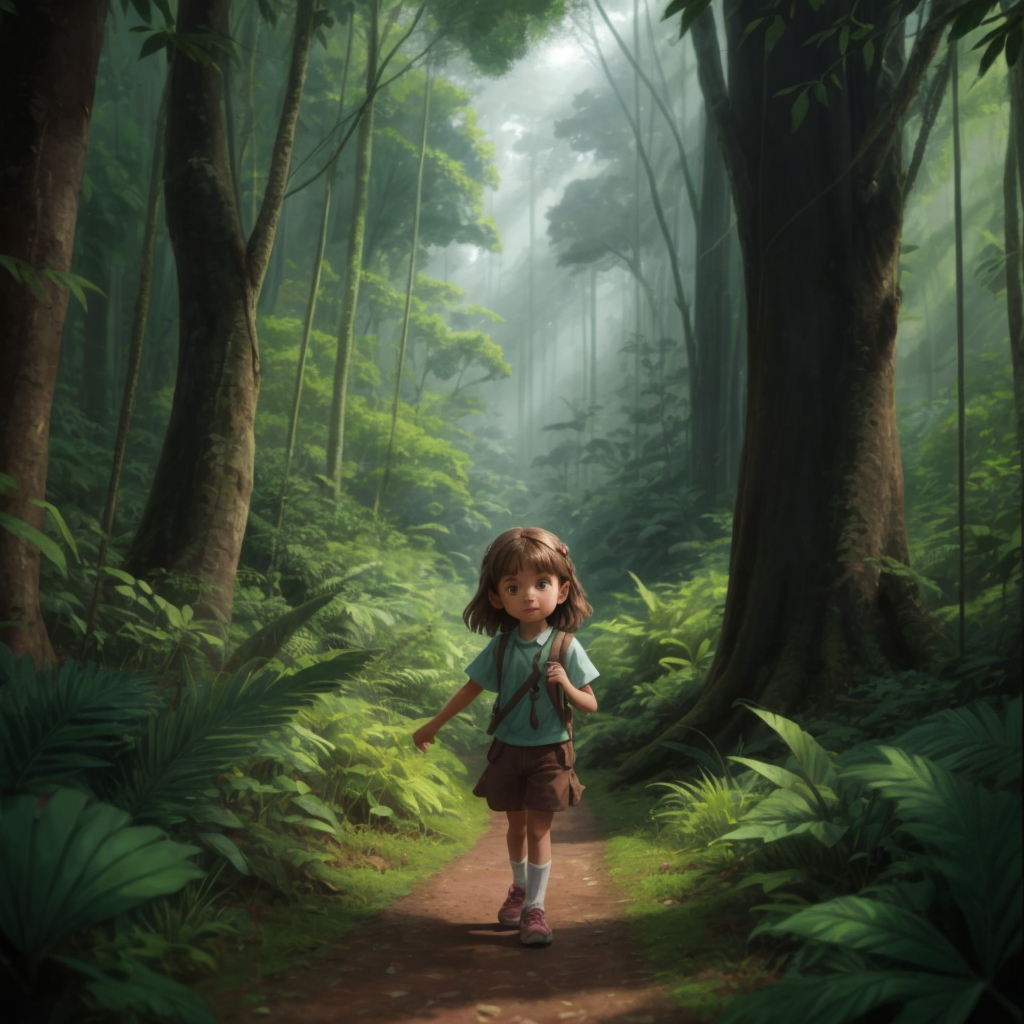
Introduction: Keila: A ten-year old girl who loves nature and adventure with her buddy Elm. Hobbies: Plant trees, parkour, and reading. Elm: A Javan slow loris who can travel anywhere. Hobbies: Jumping around, writing and magic. They are best friends. They went to Kalimantan and also they went to an adventure.
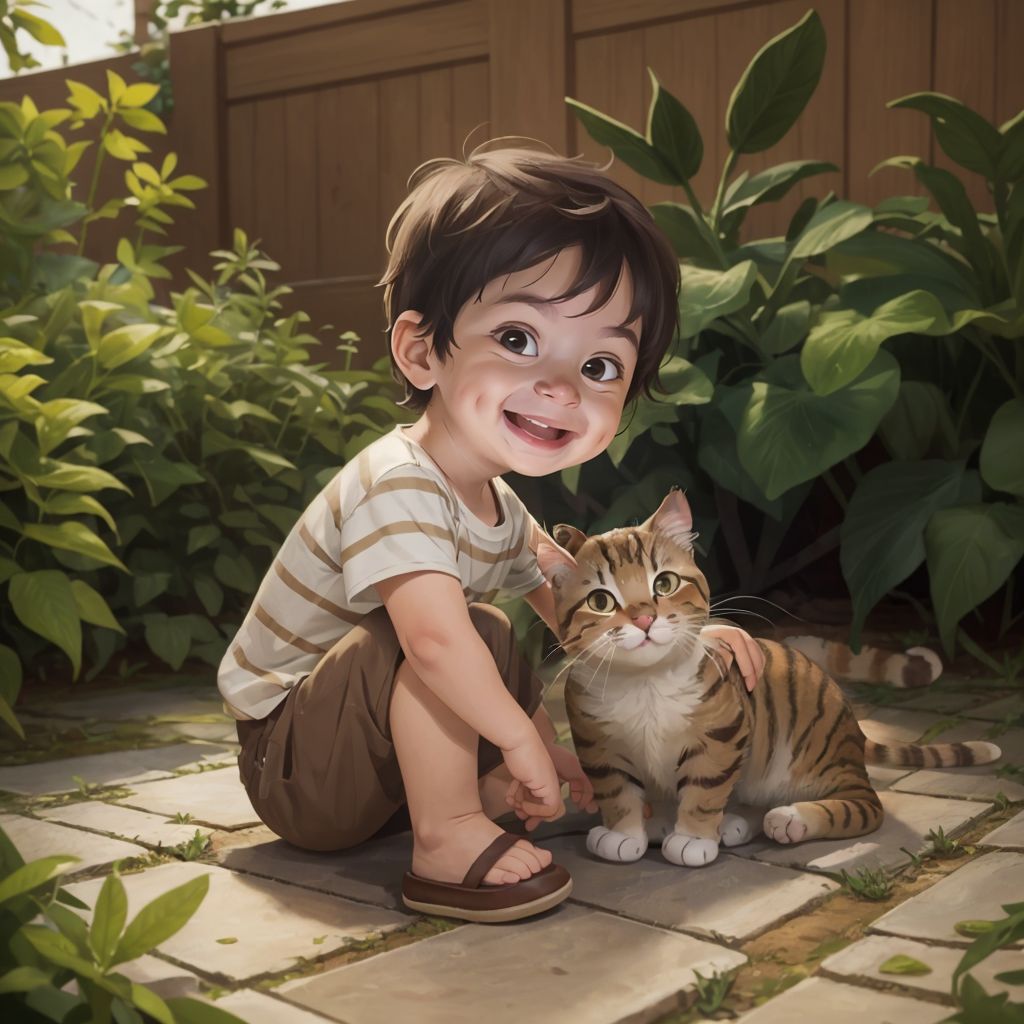
“Forever Meow Meow” is a touching story about a three-year-old boy named Max and his deep bond with his cat, Meow Meow. After years of being part of the family, Meow Meow grows older and eventually passes away. Max, feeling sad and confused, learns from his mommy that although Meow Meow is gone, her love will always stay with him in his heart. Max finds comfort in his memories and keeps a small feather as a reminder of his beloved cat, understanding that true love never really leaves.
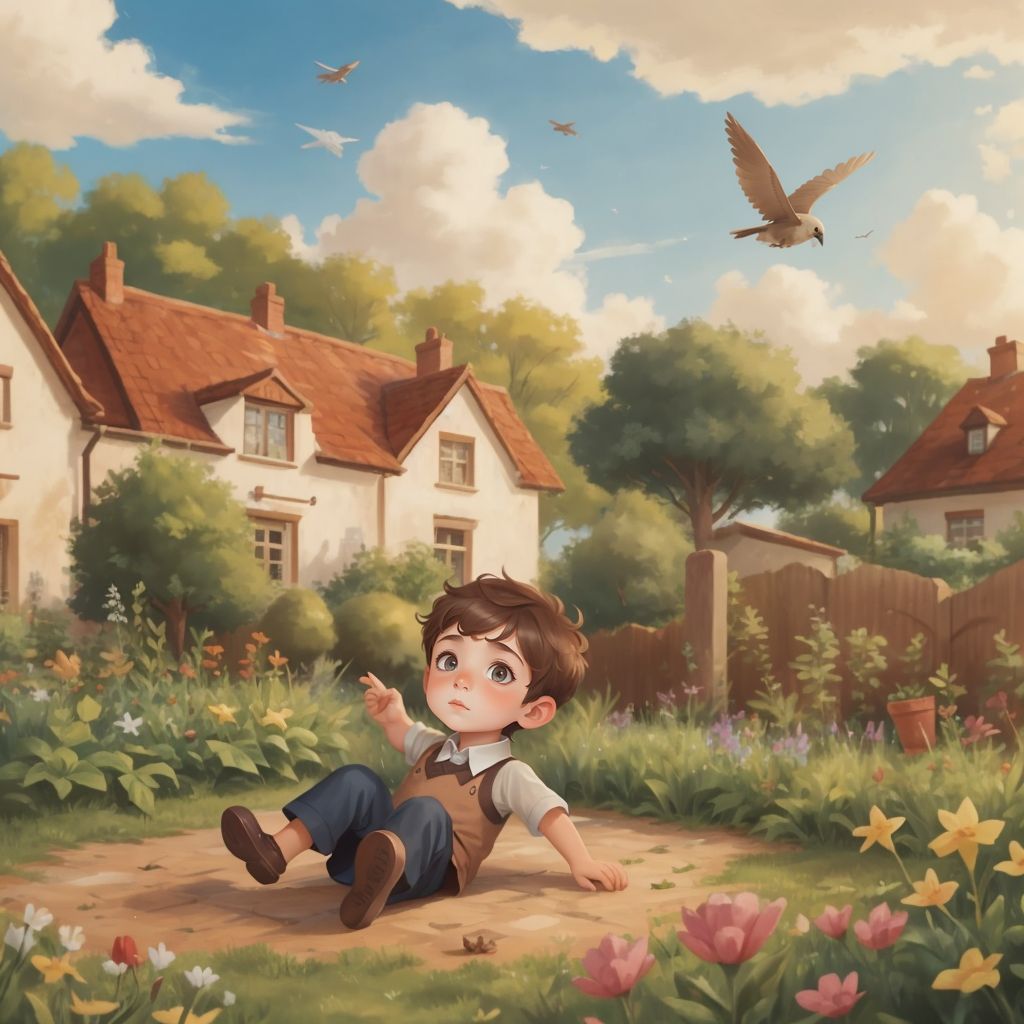
A boy asks his father Why do Animals have super powers? and we don't. His explain the animals powers and how we do have powers.
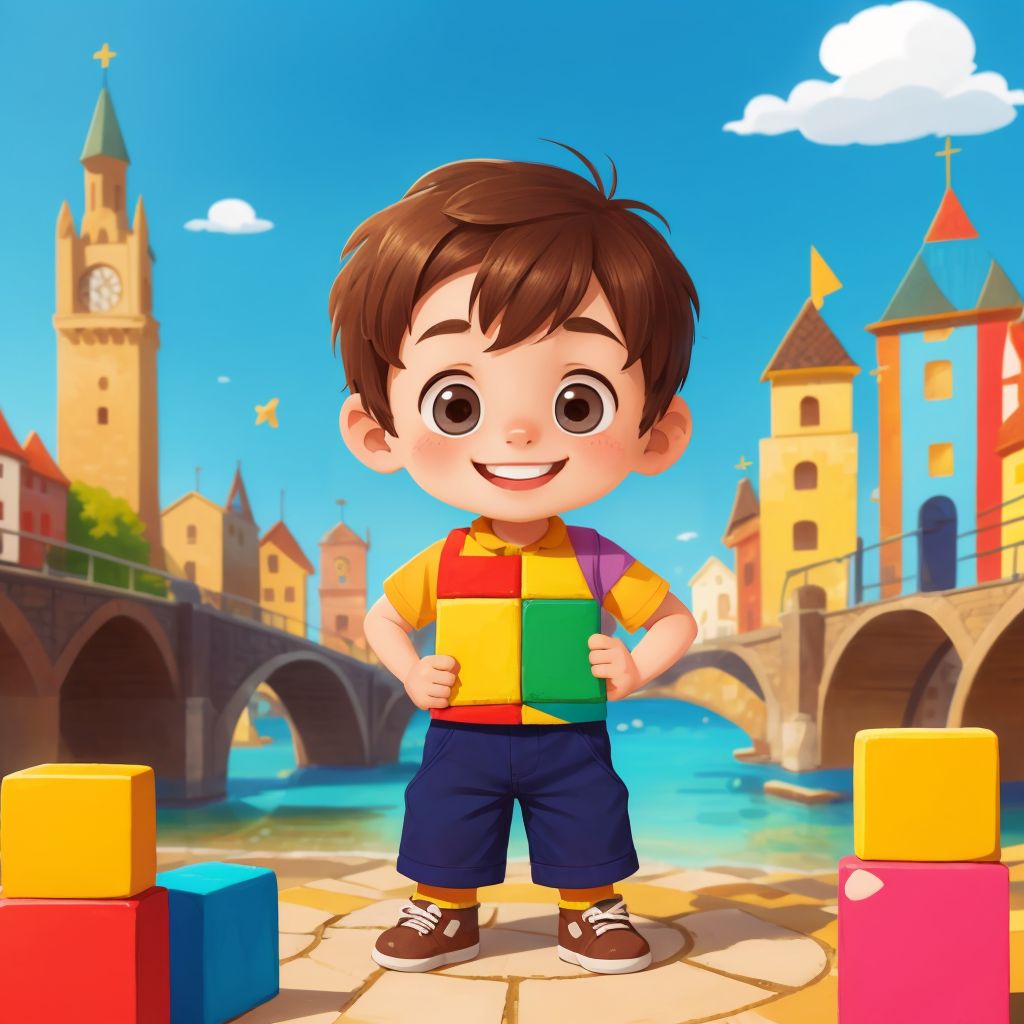
A story of a young boy who loves to build with legos, blocks or anything he can. Grows up to be a builder of great things